

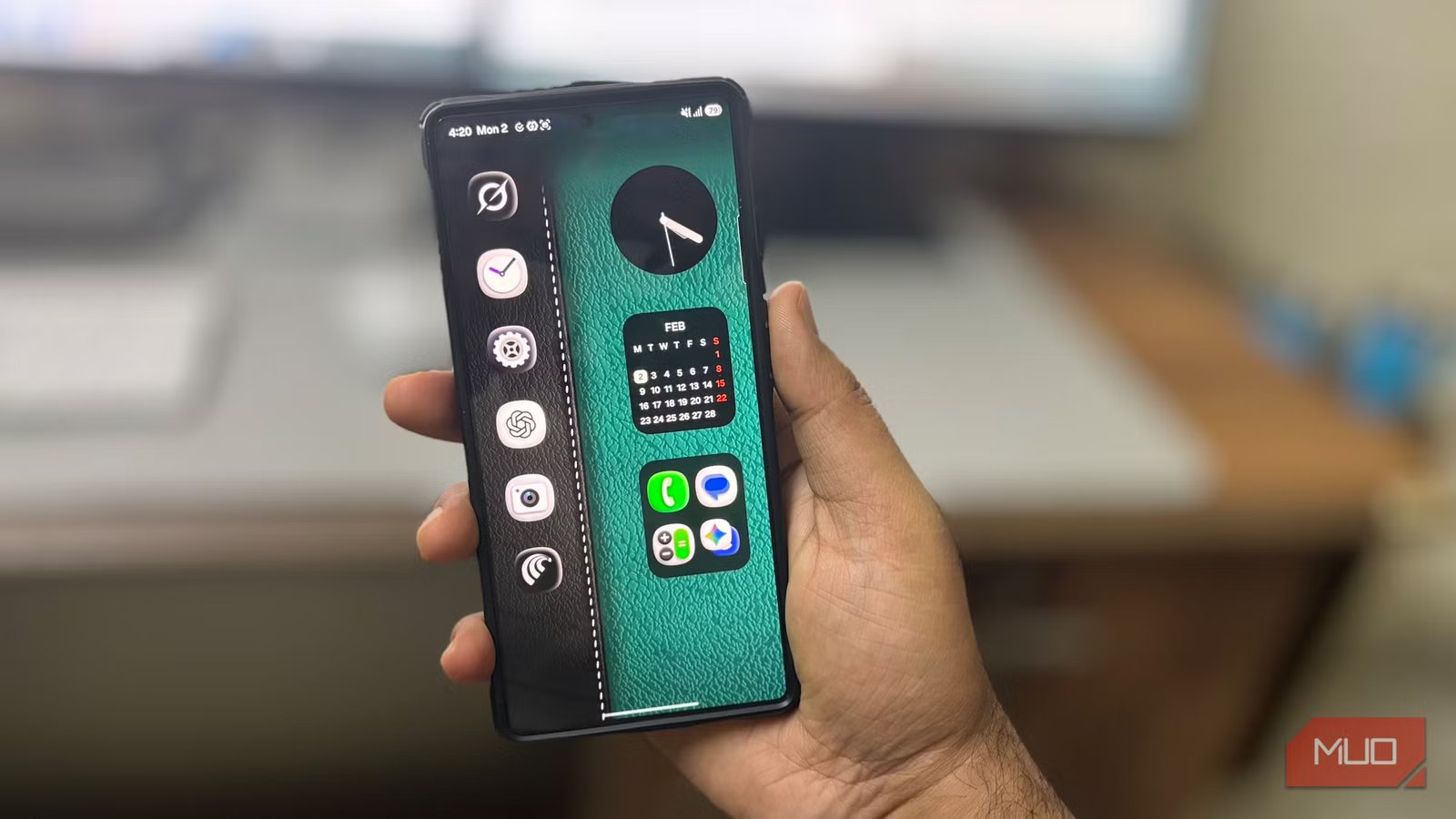
Most phone comparisons focus on what’s new. AI features, camera modes, and yearly upgrades usually take over the conversation. That isn’t what stays noticeable months later. What sticks is how a phone responds during routine use.
Using Android phones alongside iPhones over the years, I’ve noticed Android stays more consistent in places where iOS changes behavior depending on the screen. These aren’t headline features or spec-sheet talking points. They’re default behaviors that affect how often you have to stop, rethink, or repeat an action.
System-wide back gesture
Back navigation that works the same everywhere
One of the first differences I noticed was back navigation. On Android, “back” is a system action. Whether you use gestures or navigation buttons, the same input usually takes you back one step, no matter which app you’re in. If you open a menu or move through multiple screens, the same action keeps working. You don’t need to scan the screen for a back arrow just to leave where you are.
On iPhones, back navigation depends on the current screen. The left-edge swipe often works, but not everywhere. When it doesn’t, you’re expected to use whatever control that screen provides, usually a small back arrow, an X, or a Done button near the top. On larger phones, reaching those controls comfortably with one hand can be hit or miss.
This difference is most evident in deeper menus. On Android, the same back action continues to work as you move through layers. On iOS, those layers often require different gestures or buttons, which means stopping to figure out how to leave the screen you’re on.
Related
I Missed This iPhone Feature on My Android Phones: Here’s How I Added It
Scroll to the top with just one gesture.
True multitasking on a phone
Two apps, one screen
That same consistency carries over when handling multiple tasks. Android phones generally support split-screen and floating app windows, which let you keep two apps open at the same time. This is useful when information needs to move from one place to another without closing what you’re already doing.
Multitasking doesn’t require a separate mode or setup. You can open an app in a floating window from recent apps or a notification and place it where you need it. It works inside the normal flow of using the phone. I use this most when replying to a message while checking details elsewhere or referencing something briefly without losing my place. With both apps visible, the task completes in a single pass instead of requiring repeated app switching.
On iPhones, multitasking is limited to Picture-in-Picture for video and calls. You can’t keep two interactive apps open side by side or in overlapping windows. Outside PiP, you’re restricted to one app at a time, which makes moving information between apps slower.
More capable system keyboard
Typing tools where you need them
Typing is another area where Android feels more accommodating. On Android, the keyboard isn’t locked into a single behavior. You can change how it works across the system, including layout and features, without switching apps or workflows.
This matters most when editing text. Some Android keyboards include tools for rewriting sentences, fixing grammar, or generating short replies directly inside the keyboard. Because those tools live where you’re already typing, editing doesn’t interrupt the task.
Android keyboards also handle everyday actions more directly. Many support clipboard history, letting you paste from multiple copied items. Screenshots can often be pasted immediately, and translation tools are usually accessible from the keyboard itself.
The layout on Android is often more efficient for typing as well. Many Android keyboards include a dedicated number row, reducing how often you need to switch input modes. While similar keyboards exist on iPhones, iOS limits how deeply they can integrate once installed.
Hardware features iPhones don’t offer
Phone hardware with real options
Digvijay Kumar / MakeUseOfCredit: Digvijay Kumar / MakeUseOf
Some differences come down to hardware, not software. Android phones are available in a wider range of designs, which affects how they’re used. Apple takes a narrower approach with iPhone hardware, and that leaves out options Android users already have.
Foldable phones are the clearest example. They open into larger displays while still fitting into a pocket, which changes how reading, multitasking, and media consumption work on a phone. Apple doesn’t offer an equivalent form factor. Expandable storage is another difference. Many Android phones still support microSD cards, allowing storage to grow over time. That’s useful if you store photos, videos, or files locally instead of relying on cloud subscriptions.
Physical input also varies more on Android. Some phones support stylus input with pressure sensitivity and palm rejection. That makes handwritten notes and precise input practical on a phone rather than reserved for tablets.
Android, as I actually use it
Using Android and iOS side by side makes these differences hard to ignore. Android handles navigation, multitasking, and typing in ways that reduce friction during everyday use. iPhones are polished and reliable, but they offer fewer ways to adapt those interactions to how you work. For the way I use my phone, Android feels easier to live with.
