

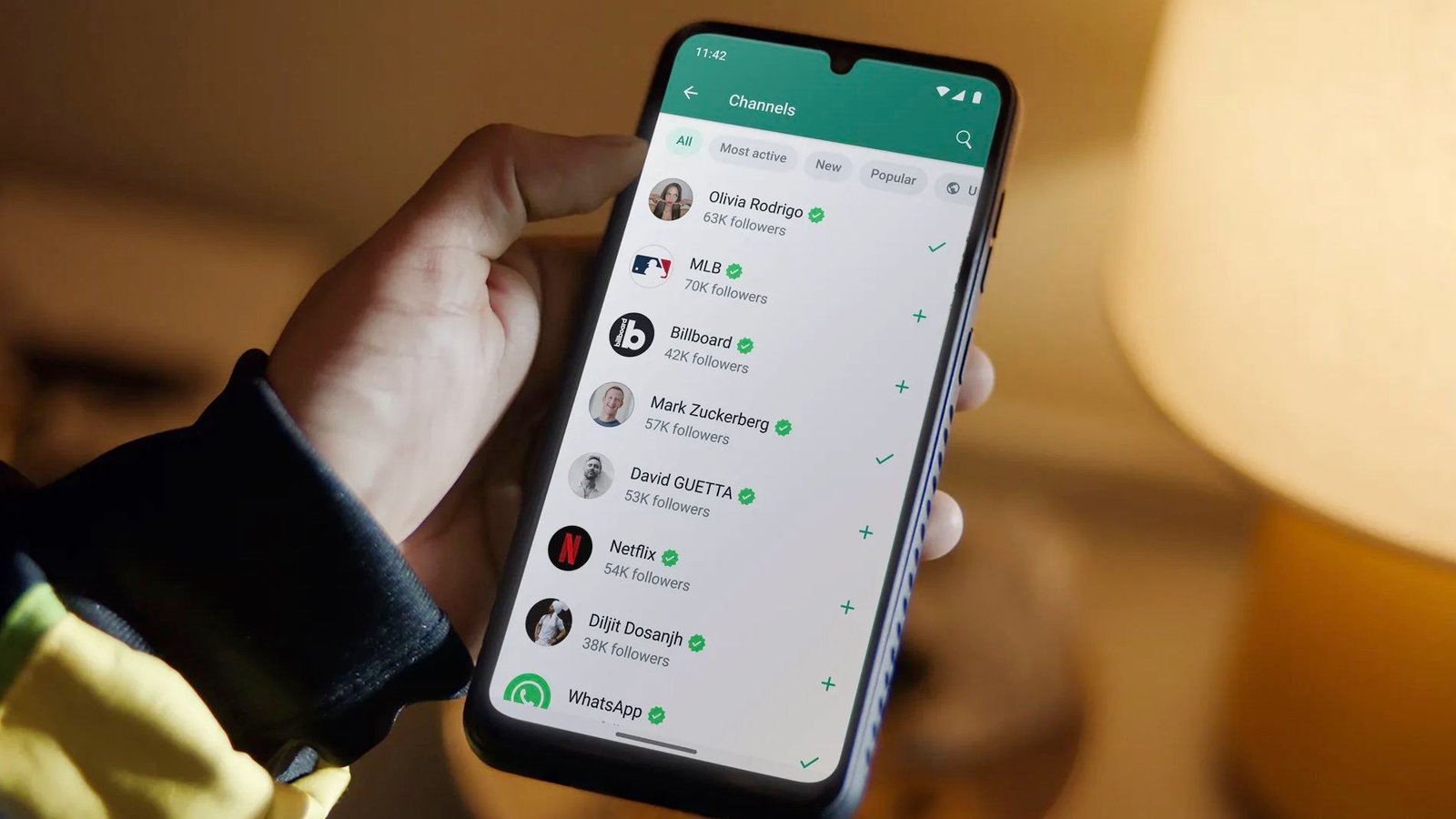
WhatsApp is the world’s most popular messaging app, with more than three billion active users. From its humble beginnings as a cross-platform messaging service, WhatsApp has grown to offer video calls, image and location sharing, and even acts as a host for Meta AI.
However, just because WhatsApp is the most popular messaging app doesn’t mean it’s everyone’s cup of tea – users might be pushed away by its archaic login process, lack of multi-account support, or indeed just its overall vibe.
Luckily, there are plenty of alternatives out there. Below you’ll find a list of the best WhatsApp replacements for Android users, all of which are free to use (though some have additional premium features for those willing to pay up).
You may like
Google Messages
Google Messages is pre-installed on nearly every Android phone (Image credit: Shutterstock / sdx15)
Google Messages has the advantage of being pre-installed on nearly every Android phone, and uses the same Google account system that Android relies on, meaning it can feel like the most natural choice for Android users.
Google has steadily increased the functionality of the Messages app over time, and it’s now one of the most richly featured messaging services on the market.
Like WhatsApp, Google Messages relies on your phone number to send and receive texts, but because your messages and contacts can be linked to your Google account, transferring between devices is much easier.
Though Google Messages is an Android exclusive, you can chat with users on other platforms without issue thanks to RCS support.
Discord
Discord is the chat app of choice for gamers and communities (Image credit: Shutterstock / Sergei Elagin)
Discord has long been the messaging and calling app of choice for gamers because of its integration with Steam, PlayStation, and other platforms, but it’s also a very powerful communication app that shines when it comes to group chats and communities.
Though not quite as simple or intuitive as other messaging apps on this list, Discord’s killer feature is its server system, which allows for the creation of topic-focused channels within a broader group.
You may like
That makes it a great choice for organising large trips, creative projects, or creating communities around your favorite TV shows, music, or games.
Discord is also a solid choice for simple one-on-one calls and messages, and uses a friend list system similar to traditional social media rather than phone numbers. The Discord Nitro subscription service adds HD video streaming, larger file uploads, and a plethora of cosmetic upgrades.
Signal
Signal combines rich features and strong security (Image credit: Shutterstock / Shutterstockies)
Open-source messaging app Signal puts all of its focus on privacy. Like WhatsApp, all conversations on Signal are end-to-end encrypted, meaning nobody but you and the recipient can read them.
Messages can also be set to self-destruct, and local backups are switched off by default, making it easy to manage your footprint for sensitive conversations.
Being open-source means that anyone can have a look at how the code powering Signal works, which keeps things transparent and would, in theory, expose any backdoors should they be implemented.
Session
Session is even more privacy-focused than Signal (Image credit: The Oxen Project / Wikimedia Commons / Session)
For an even more confidential messaging experience, Session has got you covered. Session uses a decentralized blockchain network to transmit individual and group messages, all of which are end-to-end encrypted. The app also offers encrypted calls via the same network.
What’s more, Session does not require a phone number or email address to use. The app instead assigns each user a unique 66-character code. That’s more anonymity than any other app on this list can claim to offer.
Session also has a no-logging policy, which means it doesn’t track your IP address or other data. For users who put privacy at the heart of their digital experience, Session is a lesser-known but powerful option.
Session Pro is currently in beta, and allows higher character limits and larger group chats amongst other features.
Beeper
Beeper brings together a variety of chat sources in one app (Image credit: Beeper)
Unlike the other apps on this list, Beeper isn’t really its own messaging service. Instead, the app works as an aggregator for other messaging apps, including social media services like Instagram.
This is great for folks who want to keep up with friends and answer messages without the risk of getting stuck doom scrolling afterwards. It uses a clean, minimal UI, and allows you to respond via your usual social accounts.
Beeper says it uses zero-access encryption before your chats are backed up to its servers, meaning only you can see your chat histories. Still, as with any third-party client, be sure to review the permissions and access settings to be sure you’re happy with what Beeper can access.
The optional Beeper Plus subscription adds new features like chat reminders and scheduled sends, and allows management of up to 10 accounts.
Facebook Messenger
Facebook Messenger is a lightweight option from Meta (Image credit: Facebook)
If you’re looking for a Meta app for your messaging needs but just don’t like WhatsApp, then Facebook Messenger is your best bet.
As its name suggests, Facebook messenger is tightly integrated with Facebook, making it a go-to pick for fans of the platform as well as its associated Facebook Marketplace service.
Messenger is a lightweight and convenient app that offers texts, calls, and file sharing – all the basic features you’d expect. Chats can also be linked to specific Facebook groups and pages, great for building and updating larger communities or making group plans.
Instagram has a fantastic DM system (Image credit: L-51 via Shutterstock)
Another option from Meta here, and this one comes with an entire social media network attached to it. For my money, Instagram’s Direct Messages section is one of the best, most richly-featured messengers on the market.
That’s because Instagram has spent the last ten or so years taking the best bits of every other messaging app for itself — you can share files and photos, customize the chat with themes, create group chats, pin messages, and connect to Spotify to make sharing songs easier.
Of course, Instagram DMs are best for people who already use the platform day-to-day, as you can share posts, reels, and stories via the app’s messenger. It’s the one I use most often.
Let us know your Android messaging app of choice in the comments below, and be sure to check out our lists of the best Android phones if you’re thinking of picking up a new Google-powered handset.
Today’s best Android phone deals
36 months
Unlimited mins
Unlimitedtexts
5GBdata
24 months
Unlimited mins
Unlimitedtexts
100GBdata
36 months
Unlimited mins
Unlimitedtexts
1GBdata
36 months
Unlimited mins
Unlimitedtexts
5GBdata
24 months
Unlimited mins
Unlimitedtexts
100GBdata
36 months
Unlimited mins
Unlimitedtexts
5GBdata
Follow TechRadar on Google News and add us as a preferred source to get our expert news, reviews, and opinion in your feeds. Make sure to click the Follow button!
And of course you can also follow TechRadar on TikTok for news, reviews, unboxings in video form, and get regular updates from us on WhatsApp too.
