

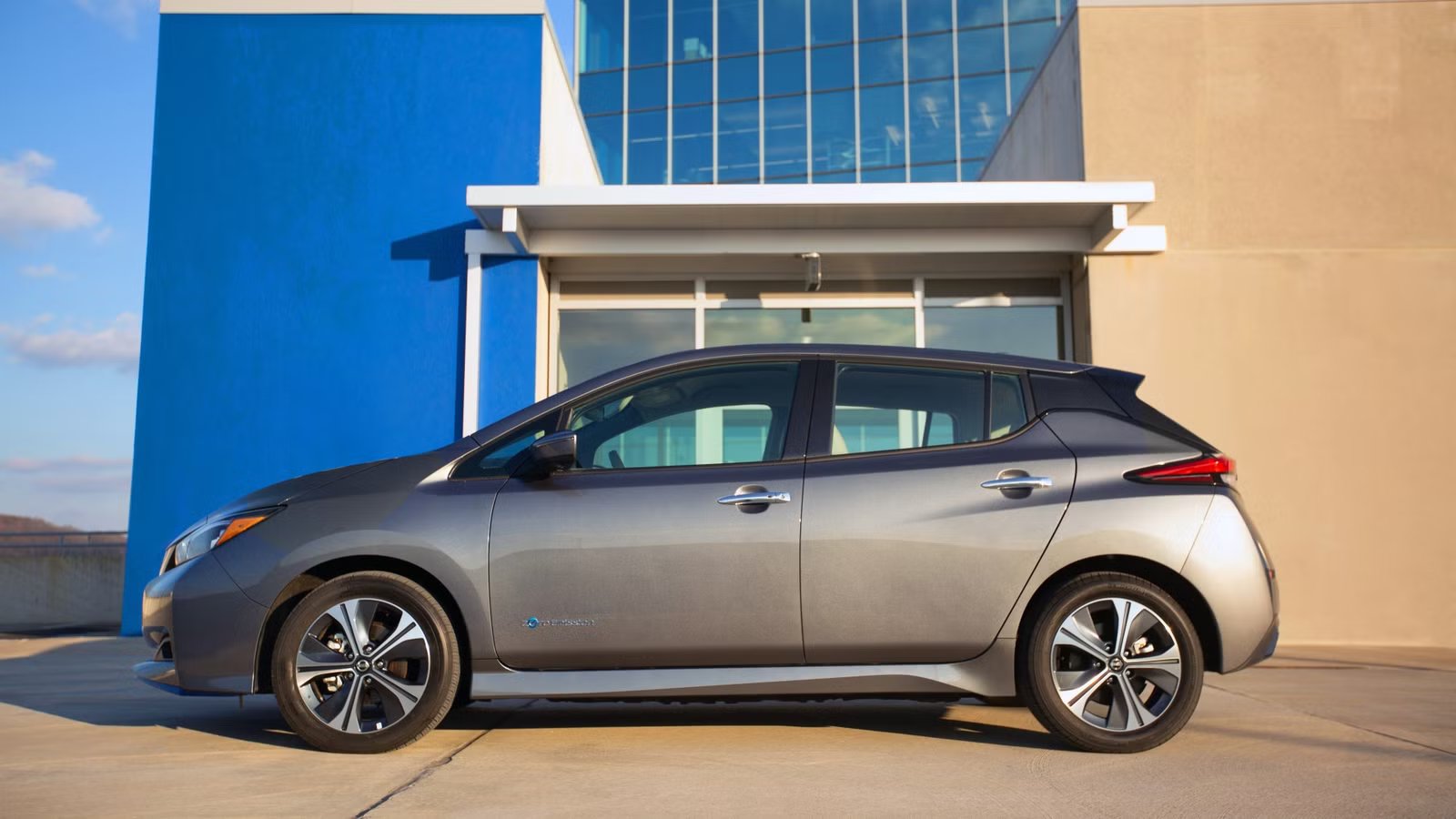
Finding a reliable car under $15,000 is already a challenge, but finding an electric one that can outlast traditional gas-powered rivals seems almost impossible. That’s exactly why this budget-friendly EV stands out. Despite its low entry price, it delivers a level of reliability that many internal combustion competitors struggle to match, making it a surprisingly smart choice for cost-conscious buyers.
What gives this EV an edge is its mechanical simplicity. With far fewer moving parts than gas-powered cars, it avoids many of the common failures tied to engines, transmissions, and exhaust systems. Real-world ownership data shows lower repair frequency and reduced maintenance costs, especially compared to similarly priced ICE vehicles that often carry years of wear and deferred maintenance.
In this article, we break down why this sub-$15K EV has become such a strong reliability standout. From long-term durability to everyday running costs, it shows how electric powertrains can deliver dependable transportation even at the very bottom of the market, often outperforming gas-powered alternatives where it matters most.
In order to give you the most up-to-date and accurate information possible, the data used to compile this article was sourced from various manufacturer websites and other authoritative sources, including the EPA, J.D. Power, Consumer Reports, CarEdge, and RepairPal.
Related
The 10 EVs Under $60,000 With The Best Range
You can go far without overspending.
Nissan delivers a simple yet solid in EV in the form of the 2021 Leaf
The Nissan Leaf has been around for decades. It is widely considered to be one of the first globally successful mass market electric vehicles. While it isn’t the flashiest little car, it offers cheap and affordable transport in a simple and unobtrusive package. If you’re looking for a used EV with a long track record of reliability, there are few options as seasoned as the Nissan, and a five-year-old Leaf will serve you well.
2021 Nissan Leaf reliability
Judging the reliability of electric vehicles is sometimes a difficult task, with so many of the popular options on the market being far too new to provide any real data. The Nissan Leaf, however, has been around since 2010. This means there is a ton of information out there provided by testing centers and owners that paint a picture of long-term reliability. While the 2021 model year wasn’t rated by J.D. Power, similar model years achieved a score of 81 out of 100 for quality and reliability.
This 2020 Nissan Leaf SL Plus is awesome in comfort and performance. I am getting an estimated 210 to 240 mile range per charge. Little to no maintenance costs. Above and beyond customer service from Nissan.
Owners cite pretty similar things across the many models years of the Leaf. While there were some complaints about the budget-oriented feel of the hatchback, very few cited any long-term quality issues.
Maintenance costs
- Average annual maintenance costs: $748 (RepairPal)
- Average ten-year maintenance costs: $3,217 (CarEdge)
- Recalls: 4
There are some caveats when it comes to buying a used Nissan Leaf. Nissan issued four recalls for the 2021 model year, with issues ranging from cruise control glitches to battery overheating. Make sure that the model you’re interested in has had these issues seen to by the Japanese automaker.
In terms of maintenance costs, the Leaf is similar to other EVs in that it is pretty inexpensive. While RepairPal cites higher costs, CarEdge puts long-term maintenance costs for the Leaf among the most affordable cars on the market. There are no ICE cars that feature predicted maintenance costs as low as the Nissan’s.
Related
This 10-Year-Old Hybrid Is More Reliable Than Brand-New Rivals
This decade-old hybrid outshines new models in reliability, proving that durability and efficiency don’t always come with a hefty price tag.
A five-year-old Nissan Leaf will cost you less than any ICE new car
Credit: Nissan
As well as saving yourself some money in maintenance thanks to the Leaf’s great track record for reliability, you can save yourself quite a bit of cash upfront as well. If you’re on a tight budget, there are few cars out there that deliver as much value as a used Leaf. You will easily end up spending less than $15,000 if you shop intelligently.
Average used price
Model
Average list price
S
$12,362
SV
$14,022
S Plus
$14,396
SV Plus
$14,123
SL Plus
$16,669
Back in 2021, the Nissan Leaf had an MSRP of between $32,765 and $45,065 depending on the trim you opted for. Electric vehicles, however, depreciate incredibly quickly, which is why, five years later, they are now half that price on the used market. Even back then, they offered pretty good value for money in terms of equipment, so with a $15,000+ discount, they feel well worth it.
While we would have traditionally recommended the S Plus model, the fact that you can get your hands on an SV Plus for around the same price makes it the obvious choice. These models come with a more powerful electric motor and still deliver pretty good levels of range. They also come with quite a lot of niceties, including automatic headlights, keyless entry, automatic climate control, and an eight-inch infotainment screen that supports Apple CarPlay and Android Auto.
Interior comfort and tech features
Front row headroom
41.2 inches
Front row legroom
42.1 inches
Second row headroom
37.3 inches
Second row legroom
33.5 inches
Cargo capacity
23.6 cubic feet
The Leaf is a pretty small hatchback, and you shouldn’t expect it to be anything more than that. Those in the front will always be pretty comfortable, but the back seats will feel exceptionally cramped for adults. Cargo capacity, however, is pretty generous, with enough space in the back for a large grocery haul or a couple weekend suitcases.
The layout and design of the Leaf’s interior is actually pretty nice. Everything is clean and simple. However, there are a ton of hard plastics that cover just about anything, which is to be expected at this price point. The only real weird thing is the rotary drive selector on the center console.
Related
The Nissan SUV that is surprisingly luxurious – it’s not an Infiniti
You can skip the premium price tag but still get all the features you’re looking for.
The 2021 Leaf isn’t all that quick, and it won’t get you all that far
Credit: Nissan
One of the biggest concerns that people have when buying an EV is range. How far you can go on a single charge is considered to be one of the most important metrics out there. The Leaf, however, is designed to be a simple city car. As such, it doesn’t last all that long before it needs to be hooked up again. However, if you’re not someone who travels far on a daily basis, you’ll still appreciate just how much money it saves you on gas.
2021 Nissan Leaf performance
Powertrain
Single motor
Single motor
Horsepower
147 HP
215 HP
Torque
236 LB-FT
250 LB-FT
Driveline
FWD
FWD
0-60 MPH
7.4 seconds
6.8 seconds
Every 2021 Nissan Leaf comes with a single-motor, front-wheel drive setup. The base models make 147 horsepower while the Plus models deliver 215 horses instead. Both feel pretty quick off the line, delivering fantastic acceleration for such an affordable little hatch. They feel even perkier than their numbers suggest due to the instant torque.
The Leaf is small, nimble, and quick, which can definitely result in some smiles along twistier sections of road. Just don’t expect any sports car heroics. The ride quality is pretty comfortable, though. We also appreciate that there are different levels of regenerative braking that you can toggle through, with the most aggressive mode coming close to single-pedal driving.
Battery, range, and efficiency
Model
City
Highway
Combined
Range
Base Leaf
123 MPG
99 MPG
111 MPG
149 miles
Leaf Plus
118 MPG
97 MPG
108 MPG
226 miles
SV/SL Plus
114 MPG
94 MPG
104 MPG
215 miles
Non-Plus models come equipped with a pretty dinky 40-kWh battery pack, which is why these models can only deliver up to 149 miles on a single charge. Plus models, however, come with a 62-kWh unit instead. This results in you going much further before needing to recharge. SV and SL models come with larger wheels, which is why there is a slight decrease in efficiency. Be aware that EV batteries degrade a little bit each year, so the real-world range of your five-year-old Leaf is probably a little lower.
The Leaf can either be plugged into a 120-volt or 240-volt outlet. When hooked up to a 240-volt outlet, Nissan claims that you can recharge in as little as seven hours. A DC fast charging adapter is, however, optional kit.
