

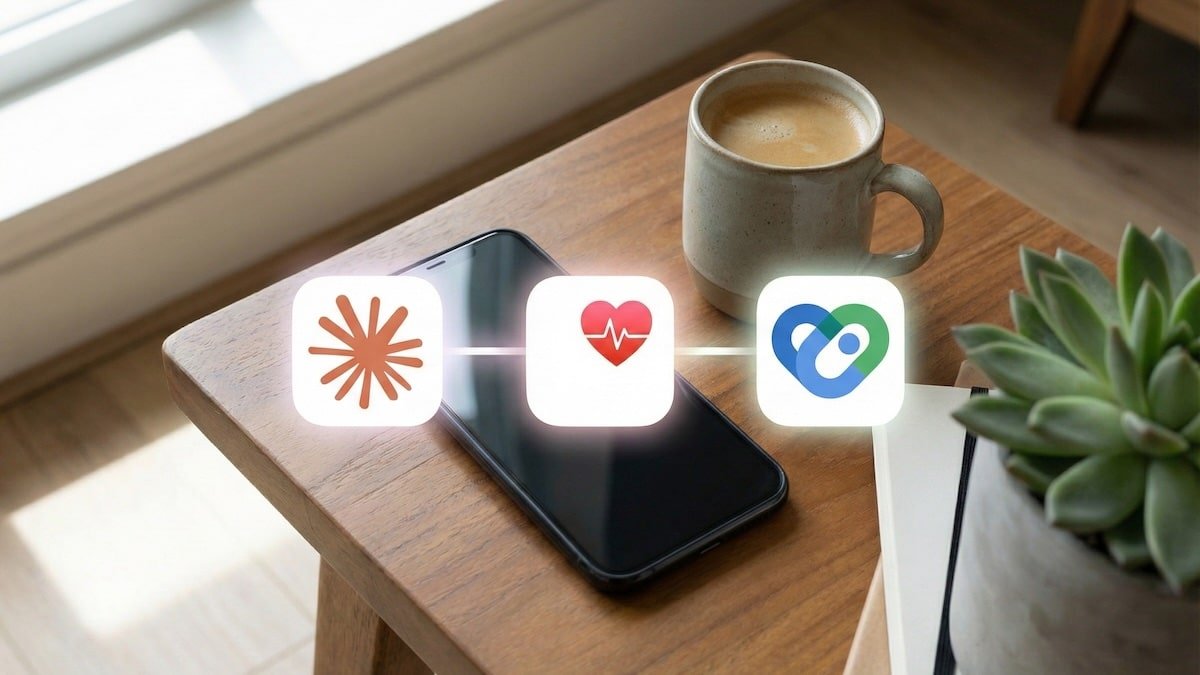
Claude’s health data integration is entering beta this week for Apple Health and Android Health Connect. The new tools will be available to US users on Claude Pro and Max plans via the Claude iOS and Android apps.
The update comes just days after OpenAI unveiled ChatGPT Health. That tool also adds the ability to link wearable data, explain health metrics, and support preparation for doctor visits. Claude’s version takes a similar route. Users will be able to give Claude secure access to lab results, health records and daily fitness data. In return, the assistant will analyse the information, detect patterns, explain findings in plain language and help users prepare questions to ask a clinician.
As mentioned, only Pro and Max subscribers in the US will see these features during the initial rollout. Users must opt in and choose what information to share. Permissions can be adjusted or revoked at any time. Anthropic says that personal health data will not be used to train its models, and that responses will include disclaimers and advice to consult professionals for medical decisions.
What this means for Apple and others
Apple Watch users have long had access to daily health trends, heart rate stats and general wellness tracking. But the Health app offers limited explanation of what those numbers actually mean. Claude’s approach introduces something Apple hasn’t fully embraced yet. It takes that same data and turns it into a conversation.
Apple has focused on privacy, local processing and a slowly expanding feature set in its Health platform. This more conversational layer has so far been left to third parties.
For other brands, the stakes are different. Garmin has already begun experimenting with AI through Connect+, and Samsung has hinted at deeper health interpretation tools coming to its Galaxy Watches. Fitbit used to be known for health insights, but that focus has drifted in recent years. Claude’s integration shows that demand for wearable data is no longer just about collection. People want interpretation that makes sense in everyday language.
From data points to health stories
The assistant can look at historical health records, surface trends across different inputs, and summarise everything in a format that feels more like coaching than reporting. It may also help users navigate their care more easily, by preparing questions, flagging outliers or tracking metrics tied to specific conditions.
This does not mean Claude replaces a doctor. It is not designed to diagnose or treat. But it does raise the bar for what users might start expecting from their wearable ecosystem. If an assistant can interpret a lab test, spot a trend in sleep disruptions and suggest a conversation topic for your next GP visit, that changes how people relate to the data they collect every day.
Claude for Healthcare goes well beyond consumer health summaries. It also introduces tools for clinicians, payers and researchers, including support for tasks like prior authorisation, claims management and care coordination. On the life sciences side, new connectors give Claude access to platforms used in clinical trials, regulatory filings and biomedical research.
Subscribe to our monthly newsletter! Check out our YouTube channel.
And of course, you can follow Gadgets & Wearables on Google News and add us as a preferred source to get our expert news, reviews, and opinion in your feeds.
