

The creators of ‘Supernatural’ and ‘Asgard’s Wrath’ are hit as Meta shifts focus from the Metaverse to wearables
Meta has restructured its Reality Labs division, shuttering three of its acquired VR game studios and effectively ending support for its flagship fitness app, Supernatural.
First reported by Bloomberg, the move signals a decisive shift in strategy: the company is pulling money out of immersive virtual reality content to double down on the success of its smart glasses.
The cuts affect Armature Studio, Twisted Pixel, and Sanzaru Games. Perhaps most surprising for Quest owners is the fate of Supernatural, the subscription-based VR fitness app that was once a crown jewel of the Meta Quest ecosystem.
In a statement, the company confirmed that “Supernatural will no longer receive new content or feature updates,” though the service will remain online for current users.
Going all in on its wearables
The rationale behind the cuts was made clear by a Meta spokesperson, who said: “We said last month that we were shifting some of our investment from Metaverse toward Wearables. This is part of that effort, and we plan to reinvest the savings to support the growth of wearables this year.”
Of course, currently, the company’s ‘Wearables’ division is pretty much exclusively tied to smart glasses and partnerships.
Advertisement
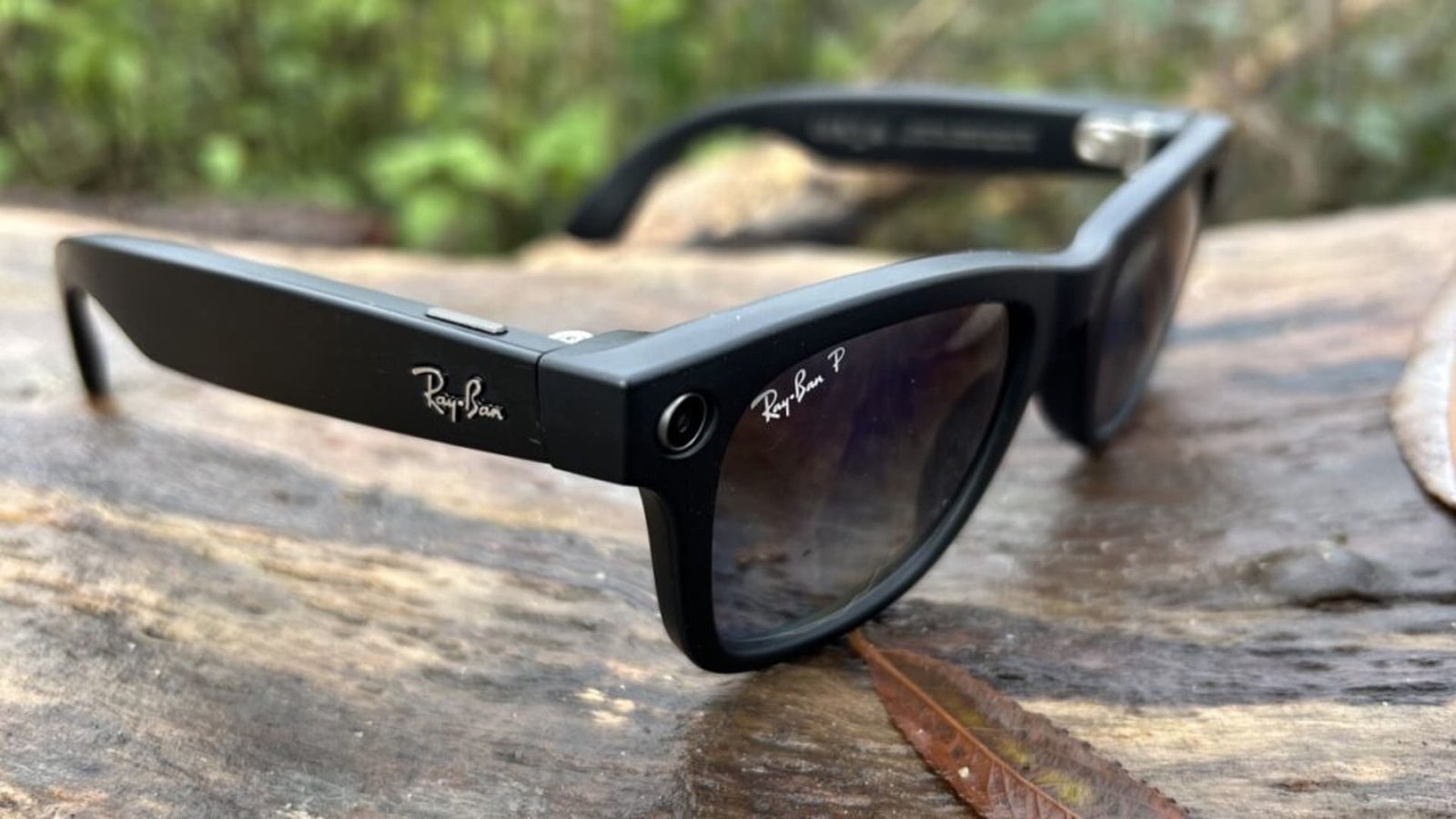
Following the breakout success of the Ray-Ban Meta smart glasses and the reveal of the ambitious ‘Orion’ AR prototype, Meta appears to be reallocating resources away from the isolated VR headset Metaverse and toward all-day wearable hardware.
The Wareable view
It’s another grim day for VR gaming, but not in any way unexpected. Since the boom of the mid 2010s and a slight resurgence via Meta’s initial standalone Quest headsets, it’s become an increasingly niche device to own and stick with.
This latest move affirms that Meta, like the rest of the industry, sees its future in glasses that can be worn all day, every day, rather than a limited headset designed only for indoor use.
The Quest headset line isn’t going anywhere yet. However, by killing off the studios responsible for its best exclusive content, Meta is essentially admitting that the “Metaverse” isn’t the retention driver they hoped it would be.
And after a mammoth set of announcements in late 2025, we’re expecting even more this year—especially with Google’s Android XR glasses set to make their debut.
