

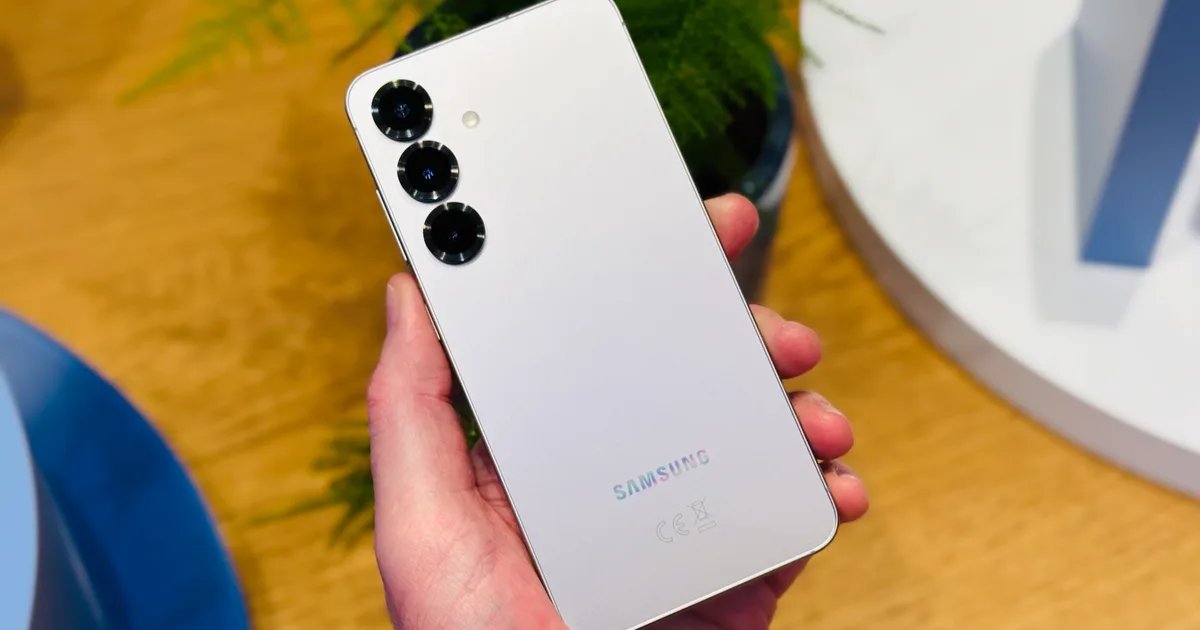
The smartphone industry has been under the rubble of rising DRAM and NAND flash prices, and the impact is slowly (but steadily) making its way to the top players.
Brands like Apple and Google, which launched their latest flagships a couple of months ago, seem to have temporarily escaped the situation, but it’s the company with the highest market share that’s currently stuck in the crosshairs: Samsung.
The Korean tech giant is prepping its international supply chain and retail network to start selling the Galaxy S26 series in less than two months. However, thanks to the launch’s timing, it seems to be struggling to decide the retail price of the smartphones in the series. Why do I say that?
Andy Boxall / Digital Trends
Most recently, we heard that the company is retaining the old retail prices for the Galaxy S26 series, especially in the United States. It was a bit encouraging for buyers, primarily because the upcoming series might not include enough upgrades to justify a price hike.
However, the smartphone giant was still planning a price hike for its home market.
Higher price tag with fewer pre-order perks could make the buyer think twice
Now, a new report from inews24.com (translated from Korean) mentions that the Galaxy S26 Ultra might “return to its U.S. price of $1,399 after a six-year hiatus.” For those catching up, it was the Galaxy S20 Ultra (128GB) that launched in the region for $1,399.
If the report is anything to go by, the Galaxy S26 Ultra (256GB) could be available for $1,399 at launch, which is $100 higher than the S25 Ultra’s launch price. If the Ultra costs $100 more, we might see a $50 price hike for the Galaxy S26 and the Galaxy S26 Plus as well.
In addition, the company might not offer one of its most popular early-bird offers — a free storage upgrade to the higher variant. A higher price tag, combined with fewer launch offers, could make early adopters think twice about the update, in turn slowing the pace at which the smartphones leave shelves.
Andy Boxall / Digital Trends
Even if the company manages to retain the S26 Ultra’s launch price at $1,299, it might not be able to offer lucrative pre-order deals, such as storage upgrades or free accessories, to early buyers.
Moreover, the memory crisis is acting at full speed, and it’s affecting companies like Samsung more than they had initially expected. Going forward, I would be skeptical about the retail prices of the Galaxy S26 series and the pre-reservation offers that the company provides when it announces the phone.
