

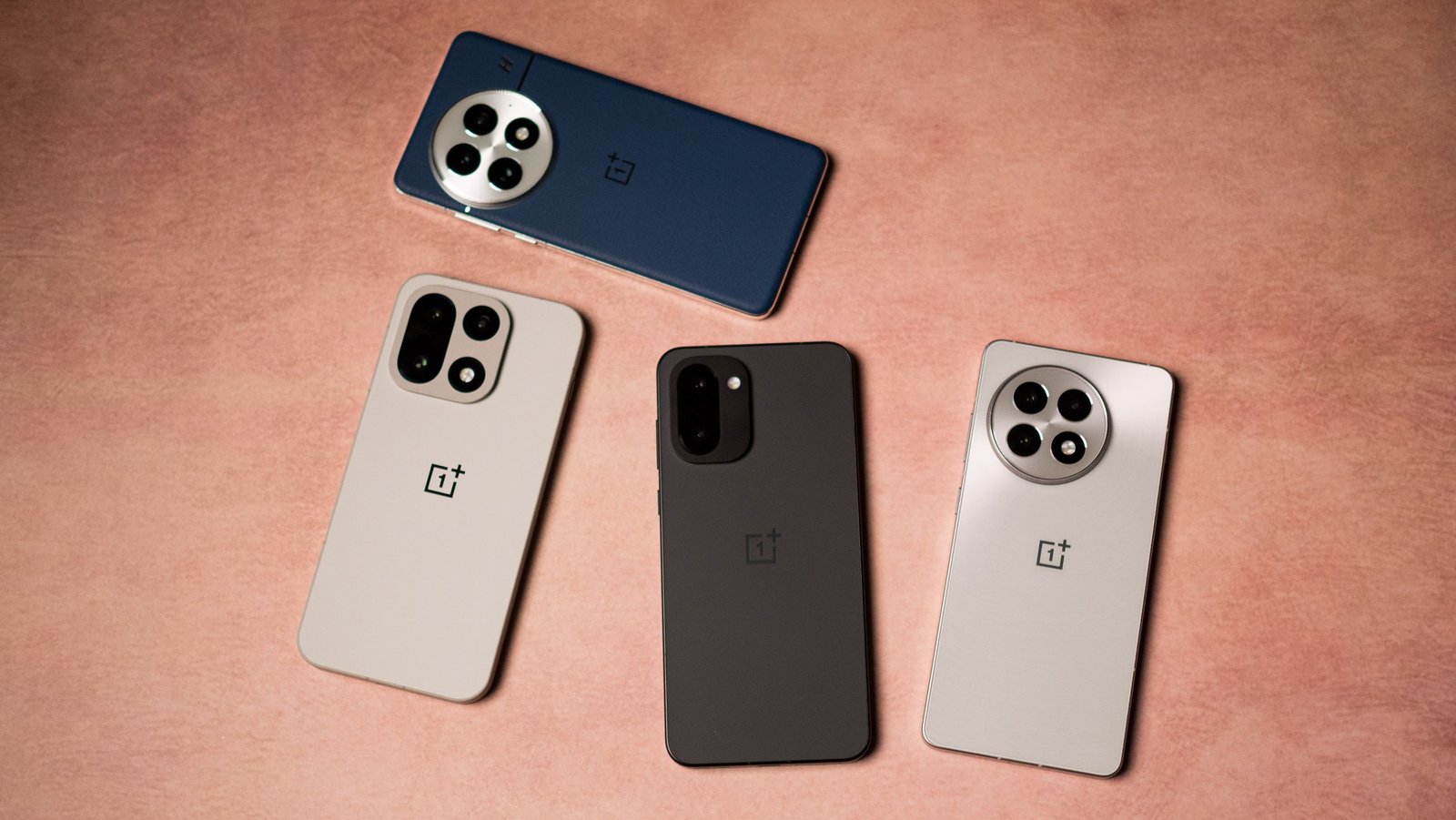
OnePlus may not have a sizable market share, but when it comes to mind share, there isn’t another Android phone manufacturer that gets quite as much attention. A lot of that has to do with the brand’s beginnings and its focus on enthusiasts, and although that OnePlus no longer exists, its echoes remain even under the stewardship of OPPO.
A new report indicated the brand is being dismantled, but that isn’t quite the case. If anything, OnePlus is entering a new era under OPPO, one where it is laser-focused on its portfolio and positioning. Instead of launching several products across tiers, the manufacturer will now focus its attention on a few crucial devices instead — that’s one of the reasons why we haven’t seen a Nord launch in the U.S. in over two and a half years, even though the budget phones outsold the flagships by a factor of ten.
That’s also why the OnePlus 15 and 15R didn’t stand out quite as much as their Chinese rivals, with the cameras in particular being a downgrade from the previous generation. OnePlus still has a foothold in North America — it is still the only Chinese manufacturer other than Motorola to do so — and the brand will likely continue to release its flagship and mid-range R devices in the region. Outside of that, though, there won’t be much in the way of launches. I reached out to OnePlus about a statement regarding the report of it being dismantled, and I’ll update this post once I have additional details.
You may like
(Image credit: Harish Jonnalagadda / Android Central)
As with so much that’s going on in the world today, the change in strategy is likely motivated by political headwinds between the U.S. and China. The way I see it, OPPO doesn’t want OnePlus to draw too much attention to itself (lest it invite scrutiny into the broader business), so while you’ll still get OnePlus phones in the U.S., don’t count on it having a retail presence — that boat has sailed with the failed T-Mobile collaboration.
But this doesn’t mean OnePlus itself is going away — far from it. The brand isn’t changing how it’s doing business in India, and although sales in the country declined last year, it continues to have a sizable presence. The manufacturer had a glitzy launch event for the OnePlus 15R in India, where it booked an entire palace, and its Nord 5 and Nord CE5 devices continue to sell really well in India’s mid-range category.
There’s no doubting that OnePlus doesn’t have any of the freedom it enjoyed as a standalone entity under BBK. The company doesn’t have a distinct design, camera, or software teams, and the OxygenOS 16 software you get on the OnePlus 15 is identical to ColorOS 16 on the OPPO Find X9 Pro — the only difference is the change in name.
That said, OPPO isn’t willing to squander the cachet OnePlus built up in India over the course of the last decade. It may be rethinking how to position OnePlus as a manufacturer in the U.S. and U.K., but as far as I can see, it’s staying the course in India and China — its two biggest markets by an overwhelming margin. India itself is responsible for well over half of OnePlus’s annual sales, so it makes sense that the manufacturer is staying the course in the region.
