

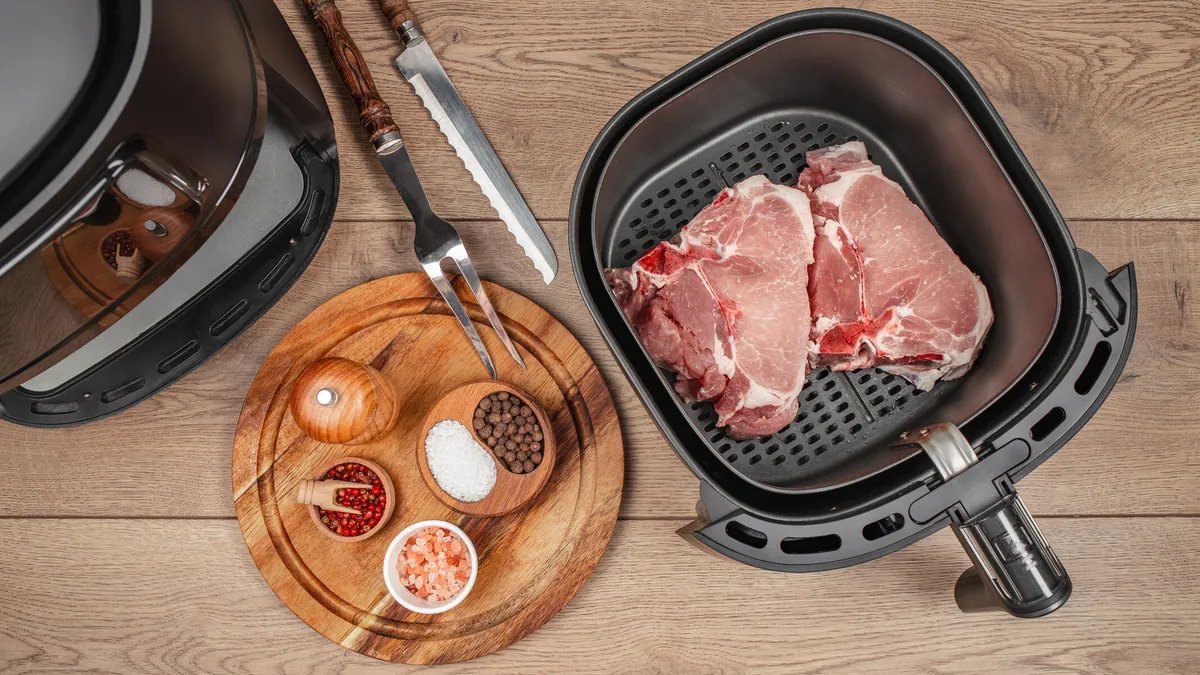
The air fryer has become one of the most popular kitchen gadgets in America. In a recent CNET survey, over 70% of US adults said they either have an air fryer, or plan to buy one soon. It’s a good investment that makes it easy to whip up delicious meals like crispy grilled cheese or chicken wings in a fraction of the time, and without making a mess in the process.
Air fryers can handle a range of recipes, and thousands have already been written with the air fryer in mind. But what about existing favorites written before the air fryer era?
Often, the answer is yes, though there are considerations when converting any old recipe to the air fryer.
Don’t miss any of our unbiased tech content and lab-based reviews. Add CNET as a preferred Google source.
Because of its undeniable ease of use, speed and results — the microwave can’t hold a candle to it — your instinct may be to move every recipe to your air fryer. Before you do, take the advice of Andreas Hansen, a passionate home cook and the founder and CEO of Fritaire air fryers. Whether the recipe you’re considering for the air fryer is roasted, baked or fried, Hansen walked me through all the potential adjustments and considerations needed to adapt it for the air fryer.
1. Reduce the temperature and time
From roasted Brussels sprouts to roasted duck to air fryer brownies, your air fryer will first and foremost do it faster than your oven can. “It’s called an air fryer because it circulates the heat faster, so that means that things brown faster,” Hansen says.
With fast-moving heat and a smaller cooking chamber, an air fryer cooks faster than most of the appliances in your kitchen.
Air fryers with windows or glass bowls provide visual cues that help you gauge when something is done. However, for drawer-style air fryers, where you don’t want to constantly interrupt the cooking process to check progress, start by lowering the temperature and the timer for the recipe.
“I would reduce the temperature by 20 to 25 degrees to keep things from drying out too fast,” says Hansen. And even with a lower temperature setting, assume that your dish is going to be cooked through in a lot less time, so set a timer or adjust your expectations accordingly. “You also have to reduce the cook time by 20 to 30%,” Hansen says. So if your recipe calls for a 425-degree oven and 30 minutes of cooking time, the air fryer equivalent would be 400 degrees and around 20 to 25 minutes.
2. Reduce volume and leave space
Consider your air fryer’s capacity and adjust the recipe volume if necessary (or be prepared to cook in batches) to ensure there is enough room for it to work as intended.
Depending on the size of your air fryer, you may need to reduce the recipe volume or cook in batches.
“The most important thing about an air fryer is that you want the heated air to get on every surface,” says Hansen, “so you need to avoid overcrowding.” For something like meatballs, for example, you’ll be able to accommodate a lot fewer than you would with a sheet tray in your oven or even in a large sauté pan. With dishes such as roasted vegetables, some air fryer recipes require shaking partway through to ensure even air circulation, or flipping larger items partway through the cooking process. (Fritaire comes with a tumbler basket to preclude the need for shaking.)
Consider, however, whether the ingredients in your recipe are sturdy enough to withstand shaking without breaking down. If not, leaving space for every surface to benefit from the air is critical. Also good advice, no matter the cooking method: Hansen says that anything being cooked at the same time in the air fryer should be cut to a uniform shape and size.
Overcrowding the basket is a common mistake.
3. Manage moisture
Due to the air fryer’s rapid circulation of hot air, foods can dry out more quickly and easily than with conventional cooking methods. Therefore, factor this into the recipes you’re considering for the air fryer. “Air frying removes more of the moisture from the surface of what you’re cooking,” says Hansen. “So adding a marinade, brine or light oil coating actually helps to improve the texture.”
A little extra time marinating goes a long way when adapting a recipe from the pan to the air fryer.
This is also a cue to consider using the air fryer for favorite recipes that already include a marinade, brine or saucy coating, such as barbecued chicken pieces or sturdy vegetables. Naturally moist vegetables like zucchini and eggplant can benefit as well, since the air fryer’s drying effect helps improve their texture. Your nonna’s old-world eggplant parmesan recipe? Air-fryer gold.
4. Frying considerations: Swap in breading for batter
Be cautious with wet batter, which tends to spill and spread more in the air fryer basket.
Your air fryer really shines when it comes to reheating already fried foods, but actually frying in one requires a few important considerations.”Air does what oil usually does,” Hansen explains. “Just like something submerged in oil, the heat touches everything.” Air has its limitations, though.
Wet batters, such as those used for fried fish or onion rings, can be tricky in an air fryer, as the batter itself may slide or blow off before it has a chance to brown and solidify. If you’re going to attempt it, make sure your batter isn’t runny and that you’ve coated your items with the least amount possible.
Breaded fried items, however, are excellent candidates for the air fryer, especially when the base ingredient has a naturally high fat content, and you’re looking to reduce the overall calorie load compared with conventional frying. Chicken thighs, for example, release their own fat during cooking, helping the coating turn golden brown and crispy.
A light spritz of oil is great for certain recipes.
It isn’t so much about adapting your recipe as about maintaining good habits, whether you’re deep-frying or air-frying. “Your items should be dry to begin with,” says Hansen, so the coating adheres easily, whether you’re giving chicken or cauliflower a flour-egg-breadcrumb dredge or opting for one that includes a dunk in buttermilk or yogurt.
And don’t skimp out on the oil altogether for great air-fried results. A light spritz of oil — not non-stick spray — on the breadcrumb or cereal coating will ensure the kind of texture and flavor that doesn’t make you feel like you’re compromising on the fried vibe.
