

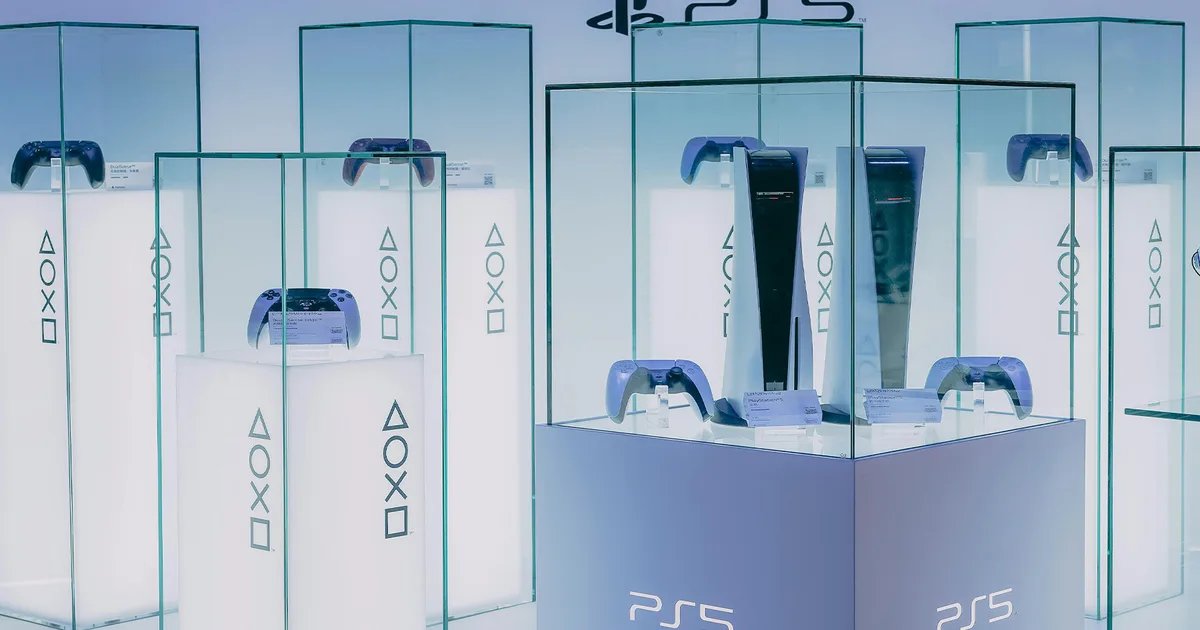
If you were expecting the PlayStation 6 to arrive on the usual console timeline, it may be time to reset expectations. A new report from Bloomberg suggests Sony is considering pushing back the next PlayStation launch to 2028 or even 2029, a significant shift from the typical seven-year console cycle. Interestingly, this is something that was rumored late last year, too.
Photo by Benedict Calano on Unsplash
The reason is not a lack of ambition or demand. It is a global memory chip shortage driven by the rapid expansion of AI infrastructure. According to the Bloomberg report, the surge in AI data centers is consuming massive amounts of DRAM and high-bandwidth memory, leaving consumer electronics companies competing for a shrinking supply.
The AI boom is reshaping console timelines
The Bloomberg report explains that companies such as Alphabet, Amazon, Microsoft, and Meta are pouring hundreds of billions of dollars into AI data centers, buying huge numbers of AI accelerators that require enormous amounts of memory. Each new generation of AI hardware uses far more RAM than traditional PCs, and that demand is expected to keep rising through the rest of the decade.
Sony
As a result, memory manufacturers are shifting production toward high-bandwidth memory for AI workloads, leaving less capacity for consumer electronics like smartphones, laptops, and game consoles. In fact, analysts warn that this supply imbalance is not temporary and could last for years, forcing companies to rethink long-term product roadmaps.
Digital Trends
In such a scenario, delaying the PS6 may be a strategic move from Sony. Launching a new console during a period of high component costs would likely push prices higher and risk repeating the supply shortages seen during the PS5 launch. By waiting, Sony could avoid another hardware rollout plagued by limited stock and inflated prices.
That said, if the PS6 arrives later than expected, the PS5 generation will likely enjoy a longer lifespan, giving developers more time to support existing hardware and continue releasing major titles without rushing the next transition. For now, though, Sony has not officially confirmed the delay. But if these reports hold true, the next PlayStation era may take a little longer to arrive.
