

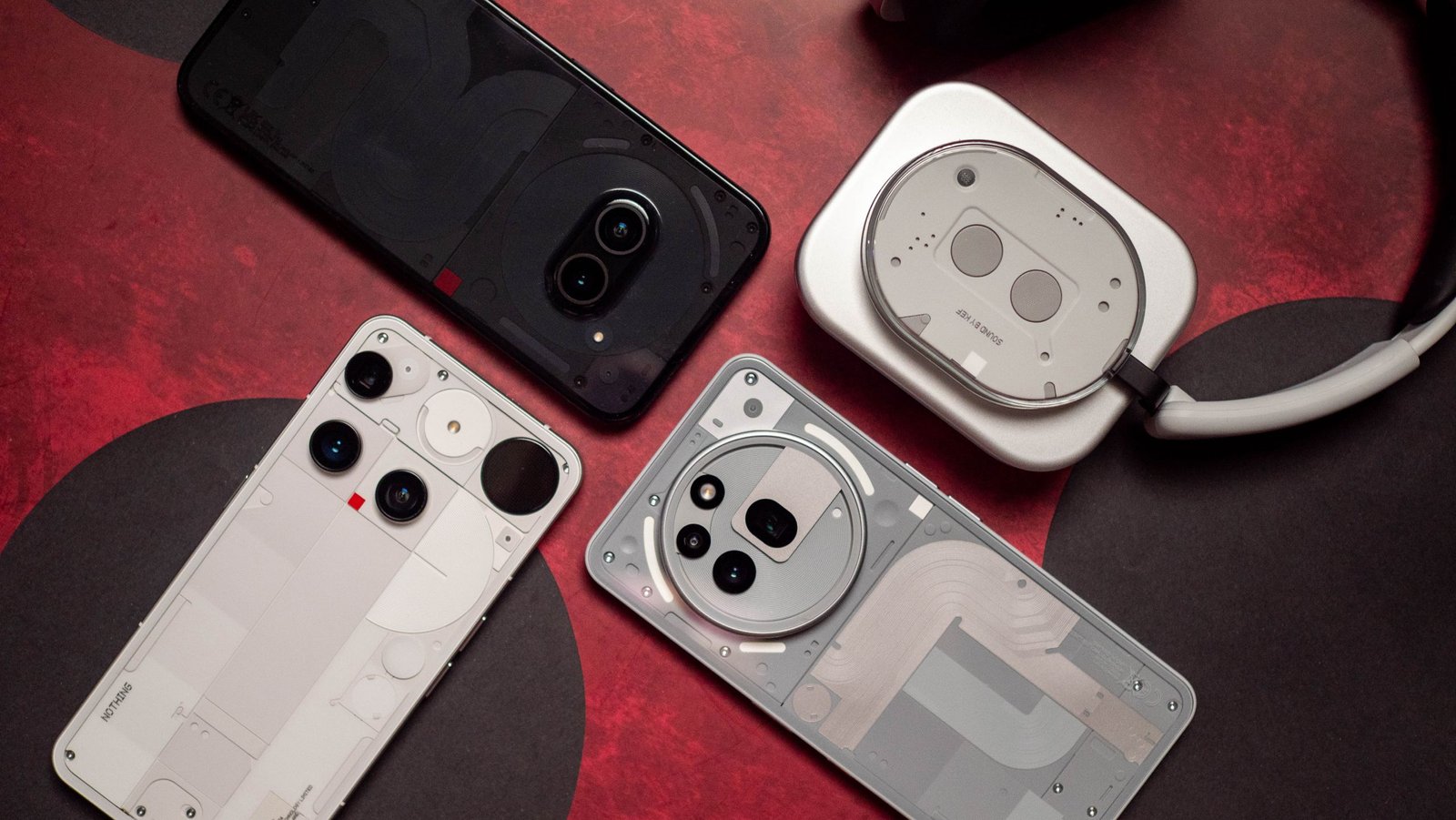
Fake tech products are nothing new, but they are getting harder and harder to spot. Certain product categories, like earbuds, are easier to fake than others. Scammers have figured out how to replicate the packaging, unboxing experience, and pairing process of authentic products on fake ones — even seasoned tech enthusiasts can be fooled. There’s real risks that come with using counterfeit tech, as it is not regulated for quality and safety in the same ways authentic products are, and there’s no warranty of any kind.
Few companies come out in the open and address the problem of fake products, but that’s exactly what Nothing just did. In a YouTube video, Nothing and CMF co-founder Akis Evangelidis spoke about major counterfeiting issues specifically affecting the market in India. The video revealed Nothing and CMF have been working with the authorities in the country to curb the spread and sale of knockoffs, and recently seized more than 1,100 offending products.
You may like
Being the fastest-growing brand comes with unwanted attention. Recently, we’ve seen a rise in counterfeit products trying to imitate Nothing and CMF. Our customers are the ones who are impacted, and we’re committed to shutting this down. Working closely with local authorities, we’ve already seized thousands of fake products — and this is just the beginning.
Nothing
In the video, Evangelidis shows off fake Nothing and CMF products firsthand. Some are clever and convincing, closely resembling the packaging and design of official Nothing and CMF phones, accessories, or headphones. However, others simply slap the Nothing or CMF brand on completely unrelated products that have no official comparison. Due to the growing brand recognition that comes with Nothing gear, people are still buying these fake products under the impression they’re the real thing.
We Found 1000+ Fake Nothing Products… Here’s the Truth – YouTube
Watch On
Evangelidis and Arpit, the head of Nothing’s smart product business in India, discussed some of the warning signs to look out for. Product listings with random brand names but official Nothing images can trick buyers into thinking they are buying from Nothing or CMF. As such, always check the exact brand name to make sure it’s from Nothing, CMF, or an official retail channel.
Additionally, watch out for phrasing like “compatible with” Nothing or CMF products. This language is used to skirt directly misusing the Nothing or CMF name while still appearing in search results for relevant official products. The duo also recommend looking at reviews and ratings for a product listings, specifically the number of ratings. If a listing only has tens or hundreds of ratings, it’s probably counterfeit.
Evangelidis adds that the price can be an excellent indicator, too — “sometimes, if it’s too good to be true, it’s because it’s not true.”
Nothing says customers can report listings they think might be a fake or counterfeit product, and the brand will “take immediate action.”
What can we do to stay safe from tech product scams?
(Image credit: Apoorva Bhardwaj / Android Central)
Nothing and CMF take a more public approach than larger tech brands, like Apple, Google, or Samsung. The company’s executives regularly take to social media to speak directly to consumers in social media posts and YouTube videos. This one, in particular, was an excellent move by Nothing. It raises awareness about the growing problem of counterfeit tech, which affects all brands.
The bigger the brand recognition of a company or device, the more likely someone will try to make a knockoff of it. There are fake AirPods, Samsung Galaxy phones, and all sorts of other devices floating around on the internet. They’re in the real world, too — if you live near a major U.S. city, there is probably someone close to you selling fake tech on Facebook Marketplace or on street corners. The days of street vendors on New York City sidewalks selling fake designer bags have evolved to feature counterfeit tech products at low prices.
The best way to protect yourself and your friends or family against these scams is to talk about them. If you’re reading Android Central, chances are, you probably have a good idea of what’s real and what’s fake. You know what things cost and how they should be sold, so the red flags are immediately apparent. But the causal tech user in your life or elderly relative might not have the same knowledge, and it’s easier for them to be convinced by a counterfeit product as a result.
It’s worth reinforcing that old ways of checking product authenticity, like verifying serial numbers or buying shrinkwrapped devices, are no longer reliable. Scammers have evolved, and they’ve learned to spoof serial numbers and seal fake products in a manner that looks official. As such, the only way to be sure you’re buying an authentic product is to purchase directly via official channels with the security of a return policy or warranty.
While I’m sure Apple, Samsung, and Google are taking steps behind the scenes to fight counterfeiting too, the best way to solve the problem is by educating consumers. That’s what Nothing is doing here, and more companies should follow suit.
