

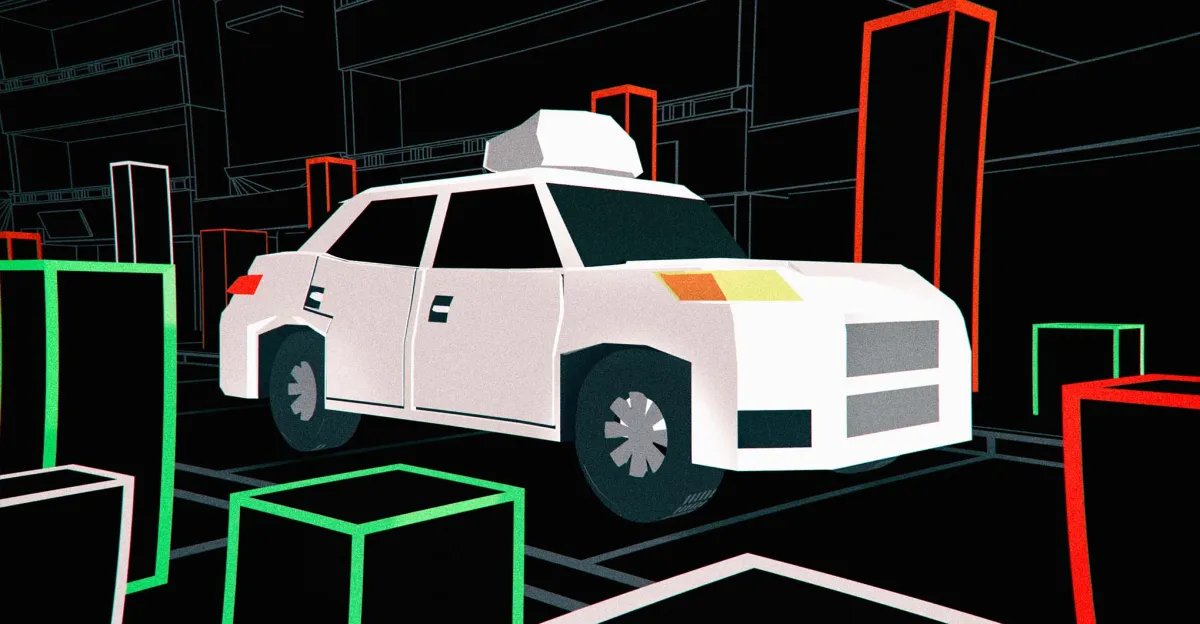
Uber is moving aggressively into robotaxis, striking deals with new partners and promising big investments to support future fleets — basically everything it can do except design and build the vehicles itself. (It tried that once, unsuccessfully.) Now, the ridehail giant is launching a new initiative to support its third-party robotaxi partners called Uber Autonomous Solutions.
Basically, Uber is taking many of the things it does for its drivers and couriers — vehicle financing, fleet management tools, regulatory assistance — and making them available for its third-party AV partners, companies like Wayve, WeRide, Nuro, Waabi, and others. It’s an acknowledgement that many AV developers aren’t as cash rich as Waymo, Tesla, and other leading AV developers, and could use some help defraying many of the costs associated with launching a commercial service.
It’s an acknowledgement that many AV developers aren’t as cash rich as Waymo, Tesla, and other leading AV developers.
In a release, Uber describes it as “a comprehensive suite of unique services and capabilities that are already helping partners to build and successfully commercialize autonomous vehicles in multiple markets around the world.”
This new project will be spearheaded by Sarfraz Maredia, Global Head of Autonomous Mobility and Delivery, and his quickly growing team. And it will be structured around three areas: infrastructure, user experience, and fleet management.
Uber’s infrastructure solutions will include training data from the company’s fleet of thousands of test vehicles that are out driving in dozens of cities. These vehicles are not autonomous, but they include many of the same sensors that robotaxis use to “see” the world around them. Uber says this data can help its partners improve their own autonomous vehicles as they seek to scale their robotaxi business more quickly. Its also offering help with mapping data,
For user experience, Uber is offering a range of services, from help designing in-car software, to advice about launching new products akin to Uber Black or Uber Reserve. And for fleet assistance, Uber says it can provide access to “a comprehensive fleet intelligence and management solution that gives operators a real-time view of every vehicle.” The company is also developing a new remote assistance platform for help when an autonomous vehicle encounters a tricky situation and needs a human eye.
Essentially, Uber is telling its AV partners to stick to the important stuff — developing software to power autonomous driving — and it will take care of the rest. Ever since abandoning its own efforts to develop AV technology, Uber has stepped up its effort to strike deals with a variety of companies, from robotaxi leaders like Waymo to delivery robot operators like Serve and Avride. The company has said it wants to use its reach and scale to help autonomous vehicles proliferate across the globe. And it doesn’t want to just work with a few AV operators — it wants to work with all of them.
To be sure, these services won’t be completely free for Uber’s partners. “Our primary focus is on helping our partners scale effectively rather than maximizing near-term monetization,” Uber spokesperson Noah Edwardsen said in an email. “In many cases, the value or costs associated with the support we provide will be factored into the economics of the partnership itself. In others, specific services could be negotiated on a more individualized basis.”
