

What you need to know
- Fitbit can now tell the difference between actually sleeping and just lying awake.
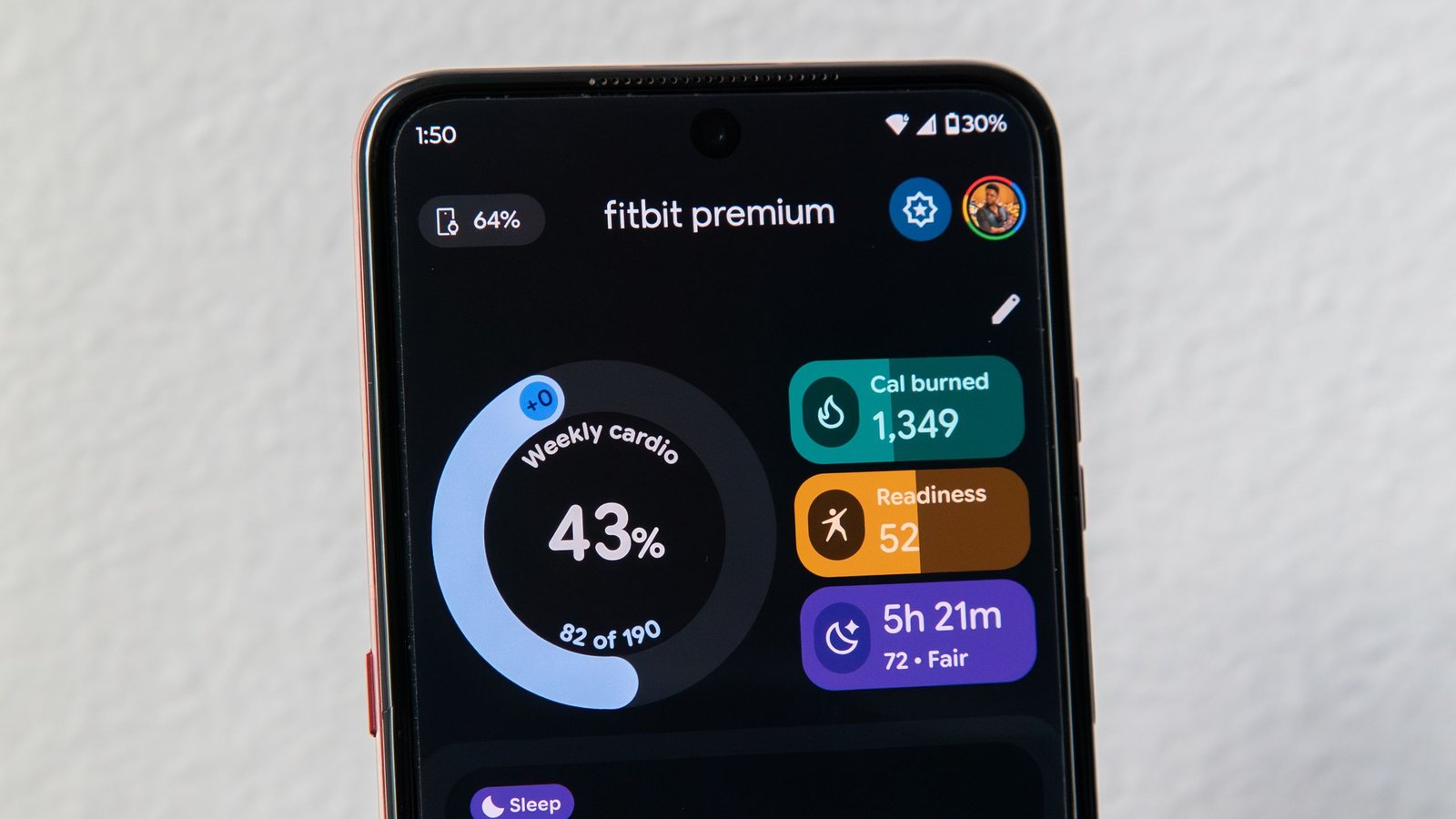
- Google says Fitbit’s sleep tracking algorithms are now 15% more accurate, with better detection of wake-ups, naps, and sleep stages.
- Medical records are coming to the Fitbit app next month, letting you link lab results, medications, and visit history directly to your profile for truly personalized coaching.
Do you remember when your fitness tracker would cheer you on for getting eight hours of “sleep,” even if you spent half the night scrolling through TikTok at 2 AM? Google has finally addressed that issue.
At its annual The Check Up health event, Google announced a big upgrade for the Fitbit Personal Health Coach. This Gemini AI-powered tool, which launched in preview last year, now focuses on two things users have wanted: sleep tracking that understands real habits, and a coach that considers your actual medical history, not just your step count.
First, let’s talk about sleep. Google says the new sleep algorithms are 15% more accurate at tracking sleep stages for Public Preview users. This improvement is based on comparisons with clinical gold-standard measurements on Pixel and Fitbit devices.
Article continues below
You may like
So what does this mean for you? Your device can now tell the difference between lying awake in bed and actually sleeping. It also does a better job tracking 3 AM wake-ups, weekend naps, and the shifts between light, deep, and REM sleep.
Soon, this will be part of a new Sleep Score. Instead of only reporting how many hours you slept, it will also consider how long it took you to fall asleep.
Medical records are entering the app
(Image credit: Google)
Next month, U.S. users in the Public Preview will be able to link their medical records directly to the Fitbit app. This includes lab results, medication lists, and visit history. It might feel a bit intimidating, but it could be a big step forward.
Google worked with b. well, an AI health data platform, and CLEAR, the identity verification company, to make this possible. You can search for your healthcare provider and link your portal, or use a CLEAR selfie to let Google find your records for you. Whether this works depends on your provider.
Once your records are linked, the Coach can understand your real health situation. If you ask, “How can I improve my cholesterol?” it won’t just give you generic tips. Instead, it can summarize your lab results, point out any concerning trends, and share wellness information based on your history and wearable data.
Glucose tracking is joining the mix
Starting next month, you’ll also be able to connect a continuous glucose monitor (CGM) through Health Connect. This means you can find out how your afternoon workout or even a slice of pepperoni pizza affects your glucose levels.
Behind the scenes, Google is putting resources into health research. This includes a study on predicting insulin resistance published in Nature and ongoing work on hypertension. There’s also a new “Get care now” Fitbit Lab study with Included Health to see how AI can help during virtual doctor visits.
Uploading your medical history to an app can feel like a privacy risk, and experts advise caution. Fitbit says your records are securely stored, you control who can see them and when to delete them, and this data is not used for ads. The Coach is not a doctor, so it won’t diagnose or treat conditions, and you shouldn’t change your medications based on its advice.
Android Central’s Take
I have to admit, I’m genuinely impressed by these updates. A 15% improvement in sleep tracking means your tracker can actually figure out why you feel so tired on Thursday mornings. But here’s where I get a bit skeptical: now we’re paying for Fitbit Premium to give our most sensitive health data to the same company known for its advertising business. Google says your lab results won’t be used for ads, at least for now.
And while the Coach can suggest you eat more oats, it still can’t give real medical advice. It’s a smart assistant with access to your health secrets, charging you every month to store them. At least now it knows you weren’t really asleep at 2 AM — you were just up worrying about all the data you’re sharing. That’s progress, I guess.
