

What you need to know
- Samsung’s Galaxy Glasses leak shows two models in the works: Jinju (entry-level, no display) and Haean (premium, with AR display).
- Jinju could launch first (late 2026) with no screen, leaning on audio, cameras, and AI.
- Haean is tipped to follow in 2027 with a micro-LED display for real AR overlays like notifications in your line of sight.
Samsung’s long-rumored smart glasses have finally stepped out of the shadows, and it looks like they’re targeting everyday users, not just tech enthusiasts.
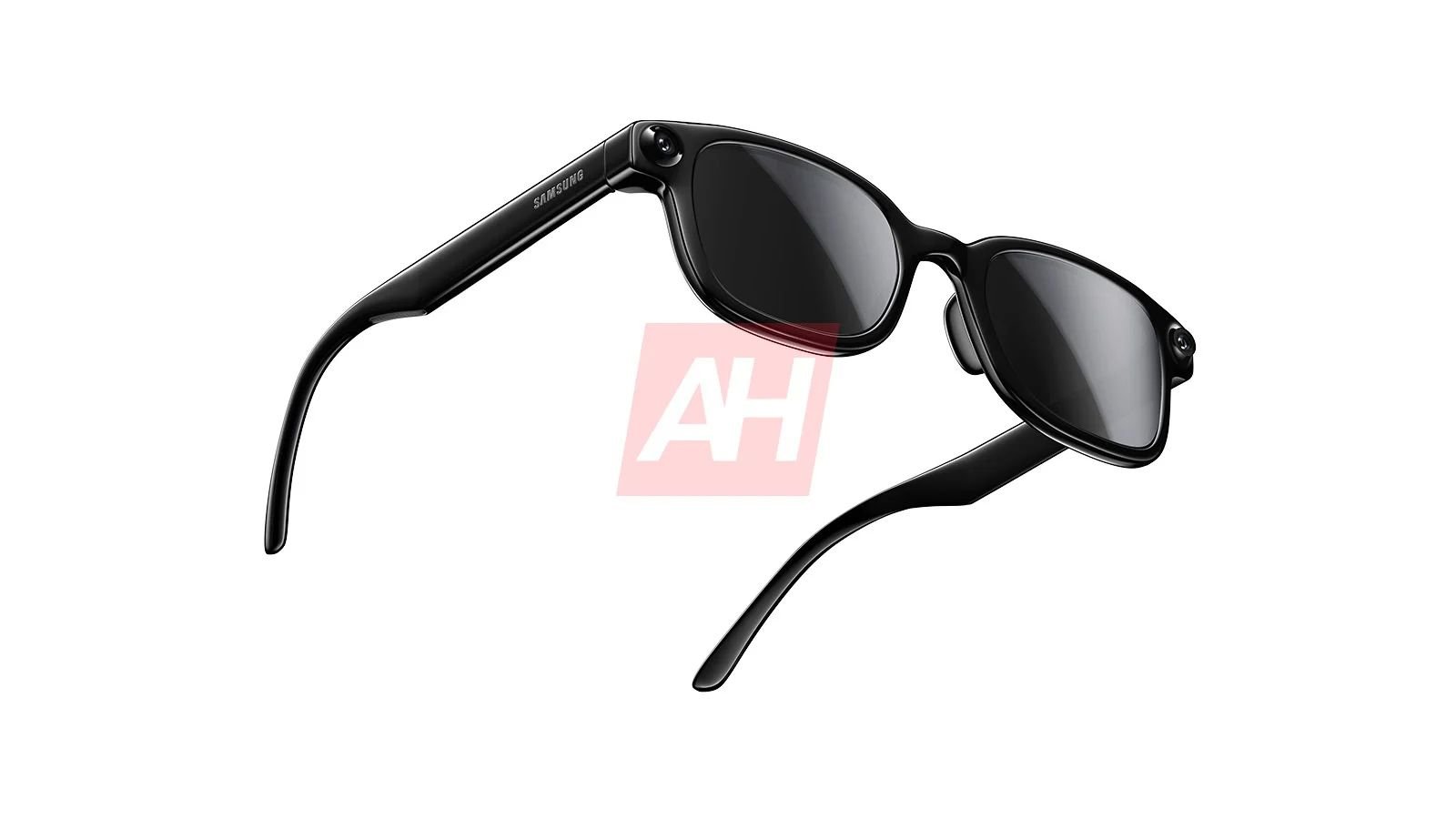
After months of rumors, leaked images from @OnLeaks and Android Headlines have given us the best look so far at the Samsung Galaxy Glasses and what the company is working on in the XR space.
Samsung seems to be playing it safe by working on two different versions of the Galaxy Glasses: Jinju and Haean.
Article continues below
You may like
Two models for different needs
Jinju (pictured below) is the entry-level model and will likely launch first, probably in late 2026. It doesn’t have a screen, similar to the Meta Ray-Bans, and instead focuses on audio, microphones, and AI features.
Image 1 of 2
(Image credit: @OnLeaks / Android Headlines)(Image credit: @OnLeaks / Android Headlines)
According to the specs from Android Headlines, this model will have a lightweight frame at about 50 grams and a 12MP Sony IMX681 camera. It’s designed for people who want Google’s Gemini AI to help translate signs or take hands-free photos without looking like a cyborg.
The report says this model will cost between $379 and $499, which is similar to the price of Meta’s premium frames.
On the other hand, Haean (which recently appeared in One UI 9’s code) is the premium version and is expected to launch in 2027. It will likely have a micro-LED display, so you’ll see notifications in your field of vision. This added feature means a higher price, with early estimates between $600 and $900.
Android Central’s Take
In my view, offering two devices makes sense. This decision will allow people to choose between a practical everyday wearable and a more immersive AR experience. Still, splitting the lineup also seems like Samsung is being cautious and testing what users will accept. I appreciate the ambition, but I’m also prepared for at least one of these to feel unfinished.
No matter which model you choose, both pairs of glasses might come with decent mobile hardware. Each version is expected to have a 245mAh battery, similar to the Meta Ray-Bans, which usually gives about 6 to 8 hours of use on and off.
The most interesting part of this leak is the camera. While most smart glasses use fixed-focus lenses, Samsung is reportedly adding autofocus. This means the sensors can read small-print menus or spot distant objects much more clearly than with a fixed lens.
The bigger question isn’t whether Samsung can build good smart glasses. These renders suggest it can. The real question is whether Samsung can convince you to switch from what you already wear, or wait another year for the version with a useful display.
