

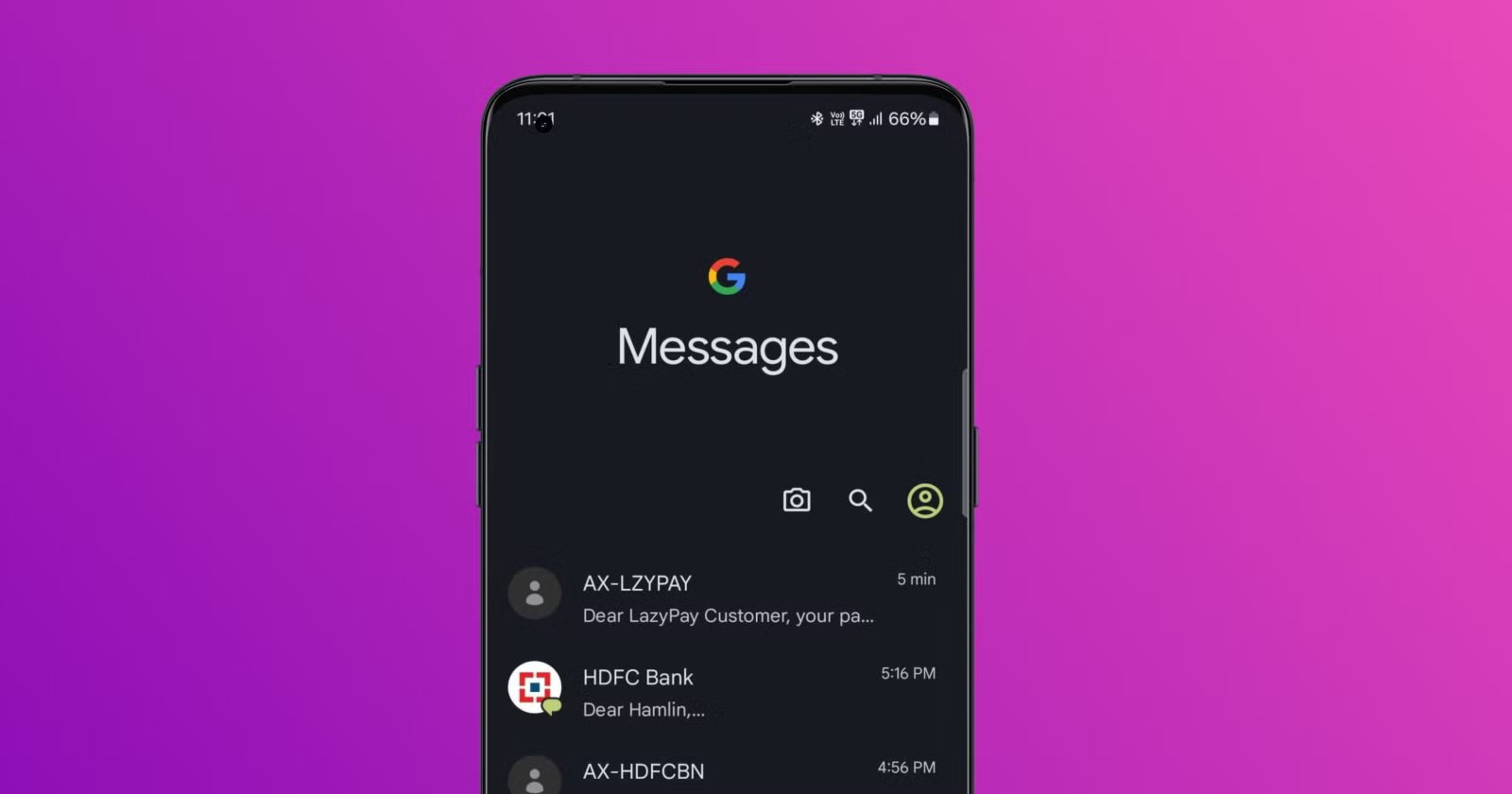
Apple is expected to roll out iOS 26.5 as soon as next week, according to MacRumors, and some interesting new features have made it into the newest release candidate. The list is relatively short, but includes a big change that enables end-to-end encrypted (E2EE) RCS messaging, which Apple has been testing in beta since February.
For the first time, Android users and iPhone users can exchange encrypted messages using their platforms’ respective native apps, instead of relying on third-party apps like Signal. Even in release candidate firmware, present features aren’t guaranteed to be included in a final release, but it’s a good sign that they’re close to ready.
Reports detailing the feature’s current implementation suggest it’ll launch with a “beta” flag, and it’s enabled by default with an easy toggle in the settings app. If you’re adventurous, you can try it out right now. We previously detailed how to download and install the latest iOS beta, including instructions for enabling encrypted messaging. If you’re on Android, you’ll also need to be on the latest beta version of Google Messages.
The beta also reportedly improves connectivity between iOS devices and third-party devices such as smartwatches and earbuds, including improved AirPods-like pairing, plus support for notifications and Live Activities. The catch is that these features will only be available in the EU, likely to satisfy its obligations to improving device interoperability under the Digital Markets Act.
We’re not exactly sure how those features will work in practice, but keep reading for our take on how we wish they’d work (plus a couple of other things on our wishlist of Android-iOS tie-ins that we’d love to see).
Related
Text Messages Between iPhone and Android Are Finally Getting More Secure
Apple is no longer hoarding encrypted messages for iMessage only.
One-tap pairing for non-Apple earbuds, headphones, and smartwatches
Credit: Brady Snyder / MakeUseOf
It sounds like iPhone users in the EU will soon be able to access easy one-tap pairing for smartwatches and Bluetooth earbuds and headphones. The feature should make it just as easy to connect Google Pixel Buds to your iPhone or iPad as it is to connect AirPods.
That could mean your iPhone will automatically recognize when a pair of, say, Galaxy Buds is nearby and display a pop-up that lets you instantly pair them. It’d save you from having to manually put the earbuds or headphones into pairing mode before a trip to the settings menu.
A growing number of audio devices already support Bluetooth multipoint pairing, allowing you to maintain a connection between two devices simultaneously. We’d eventually love to see Apple open things up further with fast, dynamic audio source switching, but that would likely require licensing both its proprietary hardware and software. If nothing else, there’s no good reason the improved pairing shouldn’t be available wherever you live.
Live Activities and notifications on third-party smartwatches
Credit: Zarif Ali / MakeUseOf
Another feature Apple is testing exclusively in the EU (that should totally be available globally) is the ability to display Live Activities and notifications on third-party smartwatches. On Apple Watch, Live Activities can show you quick status information and rich controls from apps running in the background. Music apps like Apple Music can display playback controls and song information while you listen to tracks. You can also see pertinent information from other apps, such as the status of your Uber ride.
Apple Watch also lets you view and act on notifications, particularly in messaging apps, so you can reply directly from your wrist. Some third-party smartwatches and fitness watches already allow you to view incoming notifications from your iPhone, but they often require third-party apps, and you can’t do much more than read and dismiss them. This functionality should extend to Wear OS devices (such as the Google Pixel Watch) and the Samsung Galaxy Watch. Don’t stop there, Apple: include support for message responses and other quick actions while you’re at it.
Related
4 things you can do with your old smartwatch instead of throwing it out
Your old watch can be a dedicated music player, health tracker, bedside clock, and more.
Allow iPhone and Android users to FaceTime each other
Credit: Apple
Since Apple seems open to adopting more RCS features, how about high-quality video calls? Introduced with the recently finalized RCS 4.0 protocol, this feature will allow Android users to start a video call from the same app they use to send other rich messages, without third-party apps.
Apple has already deployed a half-measure that lets Android users join FaceTime calls using a browser link, but it can be choppy and unintuitive to use. It also works only one way, so Android users can’t initiate the call. Implementing this forthcoming RCS feature would be better for everyone.
Let’s open up the Find My network already
Credit: Apple
Google and Apple have already met on common ground when it comes to Bluetooth tracking. The two enable the detection of unknown and unwanted tracking devices nearby, regardless of their ecosystem, primarily to support the altruistic goal of thwarting potential stalkers.
How about just allowing us to find all the things, for all the reasons? While it’s not unreasonable to expect most people to choose dedicated Bluetooth trackers based on their dominant smartphone platform (Find My for iPhone and the Android Fund Hub), a unified network would incentivize more device makers to embed tracking radios in other useful products, such as earbuds and wallets. In the meantime, at least you can settle for hybridized third-party solutions like the Chipolo Pop.
