

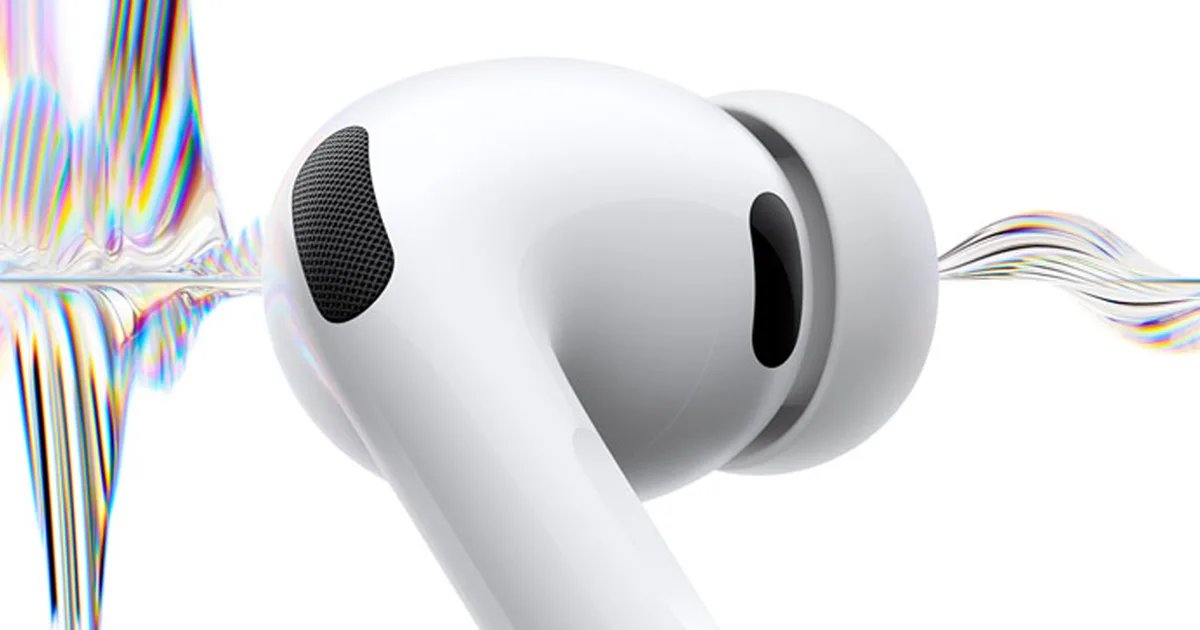
AI is still something most people have to consciously engage with. You open an app, type a prompt, take a photo, or ask a question. Apple’s next major AirPods upgrade could change that. According to Bloomberg’s Mark Gurman, the company is in late-stage development on camera-equipped earbuds that could put visual AI into a device that many people already use every day.
How close are these AI AirPods to launch?
Bloomberg reports that the earbuds have reached design validation testing, one of the final hardware stages before early mass-production testing. That means the hardware may be close, but the launch appears tied to Apple’s delayed Siri overhaul.
Nadeem Sarwar / Digital Trends
Gurman says Apple had planned to release the earbuds as early as the first half of this year, but the launch was pushed back after delays to a revamped Siri. That overhaul is reportedly on track for September after Apple upgraded its underlying models using Alphabet’s Gemini technology.
What would cameras in AirPods actually do?
The cameras are reportedly not meant for regular photos or videos. They would feed low-resolution visual information to Siri, helping it answer questions about what the user is looking at.
That could make visual AI more practical. You could look at ingredients and ask what to cook, get walking directions based on landmarks, or receive reminders connected to something the earbuds see.
Nadeem Sarwar / Digital Trends
Privacy will be the hard part. Bloomberg says Apple has built a small LED light into the earbuds that notifies users when visual data is being sent to the cloud. Apple will need to make that signal clear, because camera-equipped earbuds will only work if people trust when and how they are being used.
Battery life is still unclear. These are earbuds at the end of the day, and the addition of cameras is likely to use more power. AirPods Pro 3 currently offer up to 8 hours of listening time with Active Noise Cancellation on, and up to 24 hours with the charging case. Apple will likely have to decide whether it is willing to take a hit on battery life for visual AI, or find a smarter way to keep battery life respectable.
