

What you need to know
- Google announced that it’s opening Gemini for Home’s doors to service providers, hardware makers, and more.
- A major highlight is its new Gemini built-in program, which targets partners who are creating hardware for consumers, so they can leverage Gemini’s capabilities for their speakers and cameras.
- Google is also integrating its Home Premium subscription with carriers, ISPs, and security companies.
I/O has given us a lot to go over this week; however, Google’s smart home sector isn’t quite done, as it announces a major step for Gemini.
Google states in a press release that it has opened up Gemini for Home into a “full-stack AI offering.” This sounds technical, but all it means is that Google is “empowering service providers and hardware manufacturers to create monetizable, proactive services for customers and their homes.” A developers post shared more, announcing the start of the “Google Home Gemini built-in” program.
Android Central’s Take
The Gemini built-in program is a huge part of Google’s announcement today. This is basically opening its Gemini doors to other companies—think third-party device makers. Now, Gemini isn’t so restricted. These other companies can partner with Google and begin bringing that same, high-quality AI assistance to even more people through their products. This doesn’t sound like a bad thing to me.
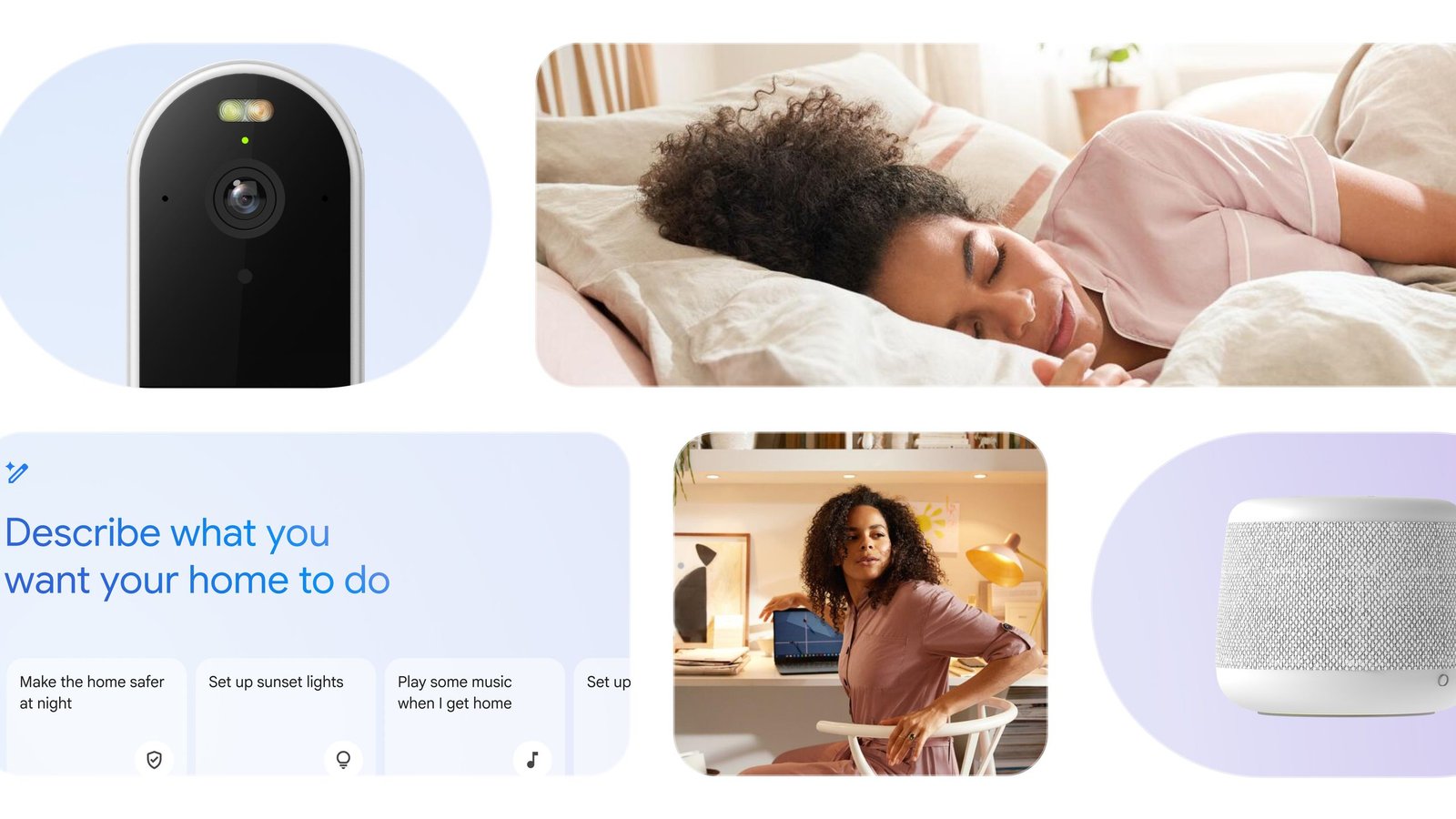
This is targeting Google’s partners who create smart home hardware for consumers. Google states hardware makers won’t have to stress about the research; they need only “focus on delivering an exceptional service experience.” Through the “Gemini built in” program, companies can create and launch Gemini-capable smart cameras, thanks to Google’s Camera Reference Design. Moreover, makers can now leverage the full force of Gemini’s voice capabilities for smart speakers in 2026.
Latest Videos From
You may like
(Image credit: Google)
Similarly, we have what Google is doing with service providers, like AT&T. The company says it is integrating its Google Home Premium subscription plan with carriers, ISPs, and security companies. This brings in daily household features, such as Home Brief: a daily roundup of what’s gone on around your home. “Advanced deterrence” methods are also included, letting users make it appear as though they’re home for extra home protection.
Companies will also benefit from better protection for smart cameras. This technology makes cameras smarter, so they only alert you to the important things: deliveries, someone at the door, etc. Google says AT&T is spearheading this movement, using Home’s APIs and Gemini in its Connect Life app and security services.
Gemini arrives for more people & devices
(Image credit: Google)
This announcement for a better, smarter home for consumers that companies can leverage includes Gemini for Home’s availability for developers. These are a set of tools that developers can utilize to begin creating for their ecosystems and consumers. Many of these features we’re already privy to. Google highlights Home Brief and Ask Home as “core capabilities.”
Smart cameras have been upgraded for Google Home. These keen eyes around the home can “see” what’s happening. This lets them “describe” what’s going on, so the homeowner is well-informed, instead of delivering generic responses like before.
Google’s update for smarter cameras arrived earlier this month. A major part of that update was what the company highlighted today: AI. Combined with its software, cameras could “see” and describe to the homeowner what was going on for the full story. Google also rolled out skip buttons to jump through clips and a new option to help swipe between views. Users should also know that the Event feeds got a visual boost, too.
Clearer, zoomed previews help you focus on the action for a particular clip (event). Additionally, users can filter out these events based on “person seen” or “glass break.”
