

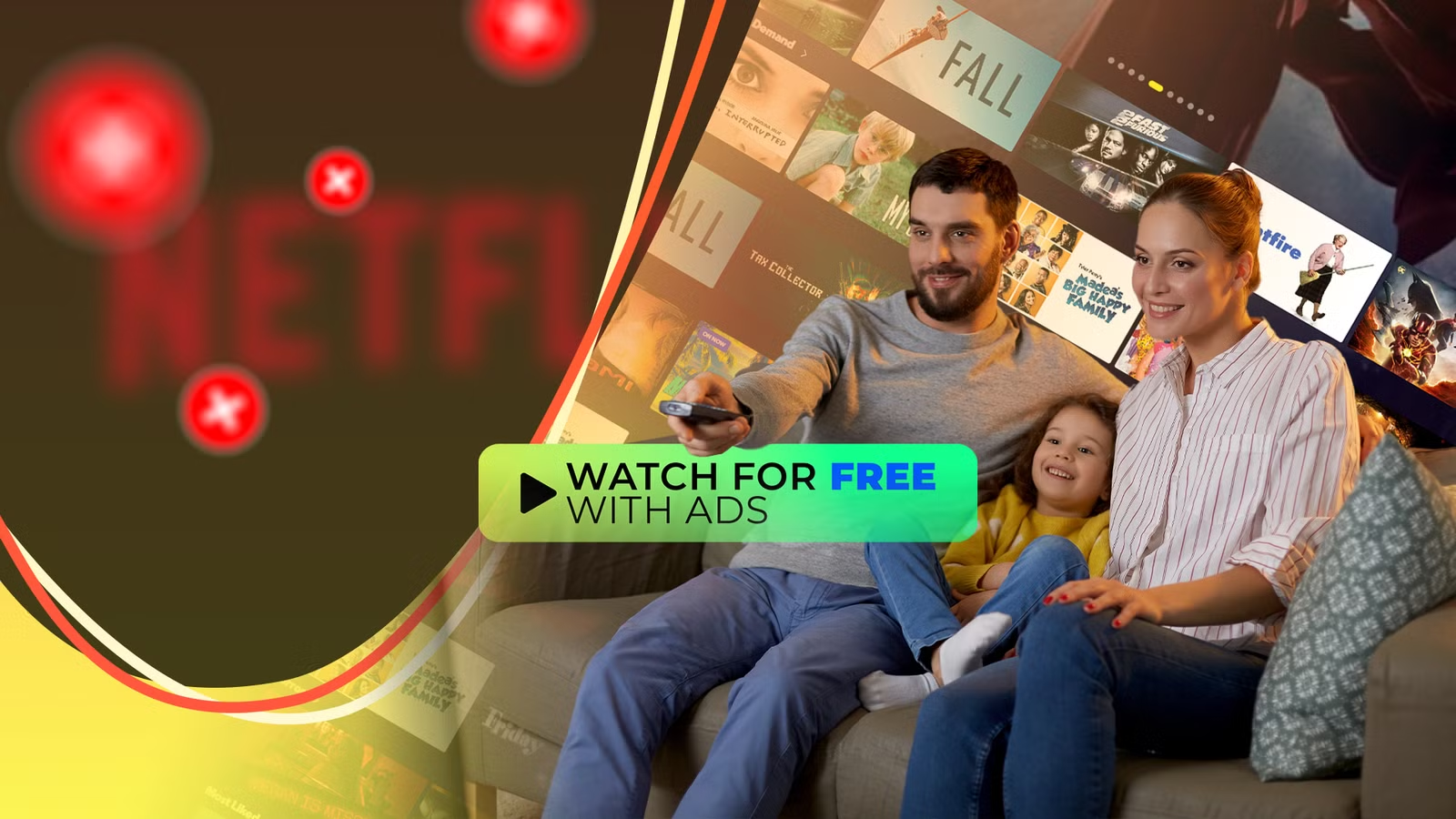
For a lot of us, streaming was supposed to be the end of expensive cable bundles. A way to pay only for what we actually watched. But somewhere along the way, that promise started to unravel. Every show seemed to live on a different platform, subscription prices crept up, and the once simple joy of flipping through channels turned into a spreadsheet of monthly charges. According to Consumer Reports, more than half of American households now subscribe to four or more streaming services, and nearly one in ten pay for nine or more. It’s a quiet kind of subscription fatigue that’s easy to ignore until you finally add up the totals.
Last year, I finally did. I realized I was still paying for cable on top of several streaming subscriptions, and the numbers didn’t make sense anymore. So I made a clean break and cut the cord completely. I started exploring a different kind of streaming experience. What I found surprised me: the world of free, ad-supported TV isn’t just a backup plan for budget watchers. It’s become a genuinely enjoyable alternative that feels a lot closer to how TV used to be.
Subscription fatigue finally pushed me to cut the cord
Credit: Shutterstock AI/Shutterstock.com
I didn’t really think too much about how much I was spending on cable and streaming services, until I finally sat down and added it all up. I was still paying for cable along with a handful of streaming subscriptions, including Amazon Prime, Netflix, Hulu, Apple TV, and Philo. Each one seemed harmless on its own, but together they were costing me more than I ever anticipated. I had convinced myself that streaming was a cheaper, more flexible alternative, but keeping both cable and all those subscriptions made no sense. I was paying twice for the same convenience, and it finally clicked that something had to give.
And I know I’m not the only one. Subscription fatigue has crept up on just about everyone, especially as prices rise and the cost of living keeps climbing. What once felt like freedom now feels like one more set of bills to manage. People are starting to cancel, rotate services, or look for free alternatives.
When I finally decided to drop cable completely, I kept only the internet and started exploring free, ad-supported platforms like Roku Channel, Tubi, and Pluto TV. It felt like a reset, a way to get back to watching what I enjoy without feeling like I was paying more than a car payment every month.
Free streaming brought back the best parts of cable
Credit: Chris Hachey / How-To Geek
I grew up with basic cable, so I still have a soft spot for flipping through channels and finding new shows on the fly. That’s probably why I’ve come to enjoy Pluto TV, Tubi, and Plex so much. I can browse live channels when I just want background noise, or switch instantly to on-demand when I’m in the mood for a specific show or movie. There’s no juggling remotes, no waiting for a cable box to catch up, and no second-guessing what I’m paying for. It’s simple, fast, and familiar. Ad-supported channels must be doing something right because, according to a study by Horowitz Research, among viewers who watch live TV, 40% say they typically watch a free ad-supported streaming television (FAST).
What really seals it for me is the mix of content. I’ve found more retro shows than I ever expected. Movies I grew up watching, along with old sitcoms and music channels that make it easy to just leave something on. There’s a sense of variety and discovery that the fractured world of streaming and cable never quite delivered. Instead of flipping through hundreds of paid channels I don’t want, I can actually enjoy the ones I do. These ad-supported platforms have brought back that effortless “something’s always on” feeling, but with the flexibility and convenience that modern streaming promised in the first place.
Subscription with ads
Yes, $8/month
Simultaneous streams
Two or four
What I don’t love about ad-supported platforms
Credit: Lucas Gouveia / How-To Geek | JarTee / Shutterstock
While I genuinely enjoy the freedom that FAST platforms offer, they have their frustrations. A big issue for me is the ad repetition. It’s not just that there are a lot of ads, it’s that they’re often the same ones playing in an endless loop. I’ve heard the same podcast commercial on Pluto TV so many times that I could probably host the show myself. I understand that ads keep these services free, but when you hear the same spots hour after hour, it can get frustrating.
Privacy is another concern. With most free platforms, your attention and data are the real currency, not your money. I’ve written before about Roku’s data collection, and many FAST services use similar ad-tracking models. They monitor what you watch, when you watch, and sometimes even how long you stay on a channel, all to feed targeted advertising. The privacy policies are often vague and written in a way that leaves too much room for interpretation.
Then there’s the lack of local channels. For all the talk about replacing cable, FAST still doesn’t deliver local news, weather, or sports in most markets. To fill that gap, I rely on a simple digital antenna, which picks up more than twenty local channels in my area. Between that and the free streaming platforms, I’ve found a good balance, even if it’s not a perfect one.
Free when I want it, paid when it’s worth it
Cutting the cord wasn’t about giving up streaming, it was about taking control of it. After years of juggling subscriptions and watching costs creep up, switching to free ad-supported TV felt like a new beginning. Pluto TV, Tubi, and Plex have brought back the simple, no-pressure viewing I grew up with, and I don’t miss the constant shuffle between paid platforms.
I still subscribe to Apple TV from time to time when a favorite show returns, but that’s by choice, not habit. I also have my personal media library available on Plex. My setup now feels balanced, free when I want it, paid when it’s worth it. FAST services aren’t perfect, but they’ve reminded me that TV doesn’t have to be complicated or expensive to be enjoyable.
