

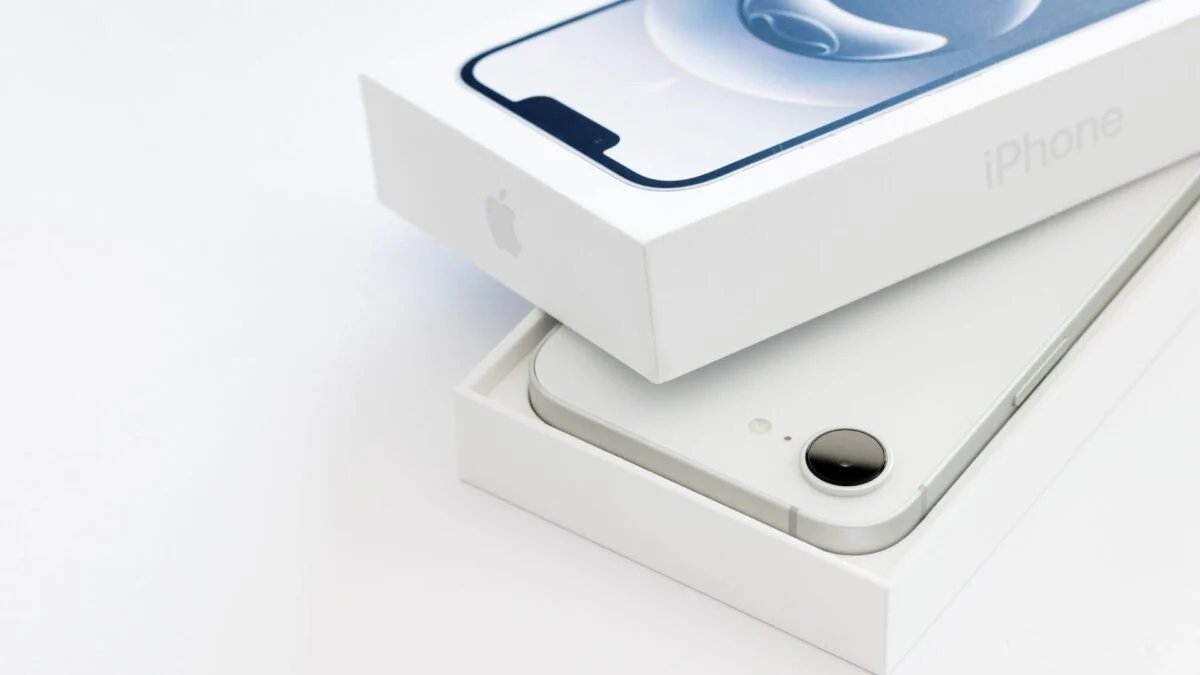
Apple is winning with its latest gadgets over the competition by doing the bare minimum. On Monday, the tech giant dropped its first details about its new iPhone 17e and iPad Air with M4. One thing about both announcements stuck out—mostly because Apple rarely remarks on price. Each new device was “the same starting price” as last year’s model.
The iPhone 17e starts at $600, the same as last year’s iPhone 16e. This time, it comes with more base storage—256GB instead of 128GB. It packs in a few extra upgrades as well, including MagSafe charging and improved wireless and cellular connectivity. The M4 iPad Air has an upgraded chipset and improved connectivity chips for the same $600 starting price as the 11-inch M3 version (it’s $800 for the 13-inch iPad Air). It has the same starting 128GB storage and 12GB of unified memory.
While the inclusion of MagSafe on the iPhone 17e is very welcome, it’s the additional base storage for the same price that was truly unexpected. © Apple
In any other year, these relatively minor refreshes would feel more blasé. The iPhone 17e still has relatively large screen bezels, a 60Hz refresh rate screen, and a camera notch rather than the newer Dynamic Island. However, with the cost of memory and flash storage spiking across the board, tech companies have largely inflated prices of their gear. Laptops especially took a hit. I’ve seen devices from Dell, MSI, and more companies besides drive up prices compared to previous laptop models from past years. Apple is making it clear it’s not changing its pricing structure just yet despite the ballooning cost of DRAM (dynamic random access memory) and SSDs (solid state drives).
When you compare the iPhone 17e to Google’s latest midrange phone, the difference is even more striking. Gizmodo went hands-on with Google’s Pixel 10a last month and found the only real difference compared to the Pixel 9a was the reduced camera bump. The Pixel 10a uses the same Tensor G4 chip and features some minor software features first introduced in the Pixel 10. The new phone costs $500, the same as last year’s model. You can find a Pixel 9a for cheaper in 2026.
Samsung’s Galaxy S26 and S26+ feature new Qualcomm Snapdragon 8 Elite Gen 5 chips, but they each cost $100 more than the S25 series. While the new phones are packed with more AI software features, they don’t seem like the kind of major upgrades that demand a markup. Google and Samsung have made their respective choices. Either they hike prices, or they keep the hardware virtually the same.
Gadgets are not getting any cheaper
The iPad Air with M4 is a basic refresh of the M3 iPad Air from 2025. © Apple
Apple is making a statement. It’s proclaiming its intent to keep prices the same as before the start of 2026, despite the mess of global RAM costs. The major memory manufacturers Samsung, Micron, and SK Hynix have all dedicated nearly all of their semiconductor manufacturing to piecing together the high-end memory needed for AI data centers. Just half a year ago, RAM was one of the cheaper components that went into any computing device, whether it was a phone or a PC. Now, major tech companies are practically begging the top three memory makers for any and all RAM allocation. It’s clear based on Samsung’s latest phone price hikes that its mobile division can’t secure any better deal despite living under the same proverbial roof as its semiconductor arm.
Last week, Korean business news outlet DealSite reported Apple agreed to a 100% increase in RAM prices from Samsung for its iPhone 17 series. However, Samsung later disputed those claims, telling several outlets the report was “baseless and not true.” DealSite later amended its story to remove any mention of Apple. Either Apple has managed to mitigate the RAM crunch at the start of this year, or it’s eating the cost. Apple normally relies on its higher-end devices to make up losses from its more affordable offerings. The tenor may change later in the year when Apple finally offers details of its expected iPhone 18 series.
It feels like we’re in topsy-turvy land. It’s not as if Apple is making things affordable. The company’s devices have never been cheap. Now, suddenly, PCs, phones, and laptops are inching closer to Apple’s baseline costs while the Tim Cook-led company is keeping prices steady. Apple normally makes customers pay through the nose for RAM upgrades for its devices. Now, practically every other tech firm is forced to do the same. It seems like the term “value” now translates to not hiking prices through the roof.
