

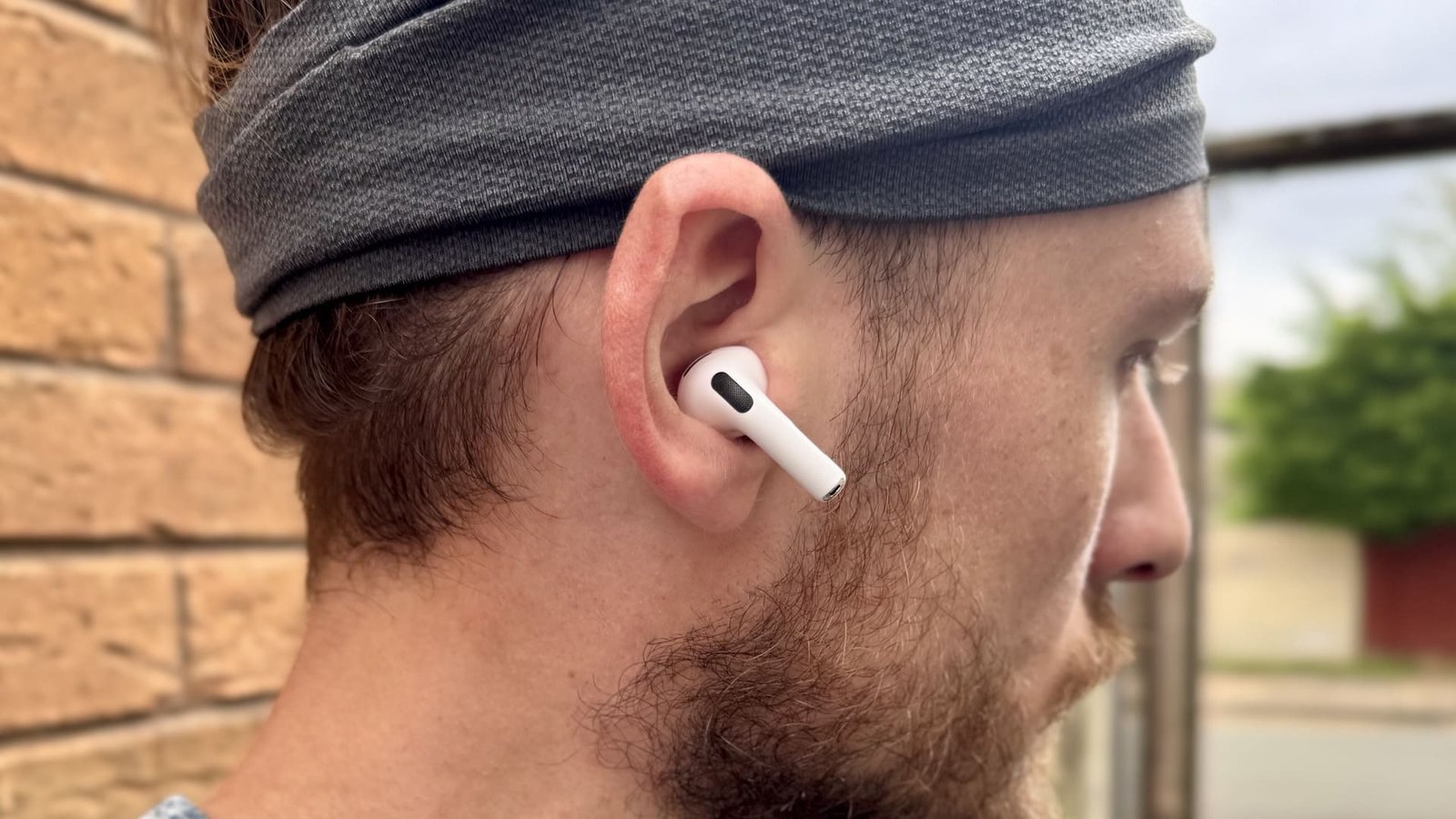
A new tiered strategy could see gesture-controlled, H3-powered earbuds arrive later this year
Apple is set to further diversify its audio lineup in 2026 with a high-end, secondary version of the AirPods Pro 3.
That’s according to a note from supply chain analyst Ming-Chi Kuo (corroborated by outlet Instant Digital), which suggests this new model will sit alongside the existing AirPods Pro 3. It would create a two-tier premium offering that mirrors the current dual-model structure of the AirPods 4.
The headline feature for this premium variant is the inclusion of tiny infrared (IR) cameras. These sensors aren’t intended for traditional photography; instead, they’re apparently designed for advanced spatial awareness and ‘in-air’ gesture recognition.
Reports suggest Apple may even remove the pressure-sensitive stems entirely, moving to a fully gesture-based interaction model. Kuo has previously indicated that these IR cameras will also facilitate an “enhanced spatial audio experience” when paired with the Vision Pro, allowing the earbuds to track hand movements and environmental changes with extreme precision.
More processing power
Perhaps most significant for performance is the potential debut of the H3 chip.
While the standard AirPods Pro 3 launched in 2025 utilize the H2 chip (which debuted in 2022), Bloomberg’s Mark Gurman has previously confirmed that a next-generation audio processor is in active development.
Advertisement
Integrating the H3 in this premium tier would seemingly provide the necessary computational headroom for camera-based gestures and could significantly lower latency for Apple’s Visual Intelligence features.
The Wareable take
This move would make plenty of sense—and would help Apple turn the ear into a primary sensor node for Apple Intelligence. By adding IR cameras, the AirPods would move from being passive audio devices to active spatial tools that can ‘see’ your surroundings.
For the wearer, the shift from stem-squeezing to mid-air gestures feels like a necessary evolution for the spatial computing era. And if the H3 chip also brings more long-rumored biometric improvements—on top of the excellent heart rate monitoring already available via AirPods Pro 3—Apple will effectively create the broadest pro-grade hearable yet.
Doing so would also address a significant pricing gap in the AirPods lineup. With a $300 jump between the standard AirPods Pro 3 ($249) and the AirPods Max ($549), another model at the $350-400 price point would allow Apple to sensibly continue to flesh out the family and reach more niche audiences.
Given Apple’s track record, a launch is widely expected during the annual iPhone event in September. But, for now, it’s just one to keep an eye on.
