

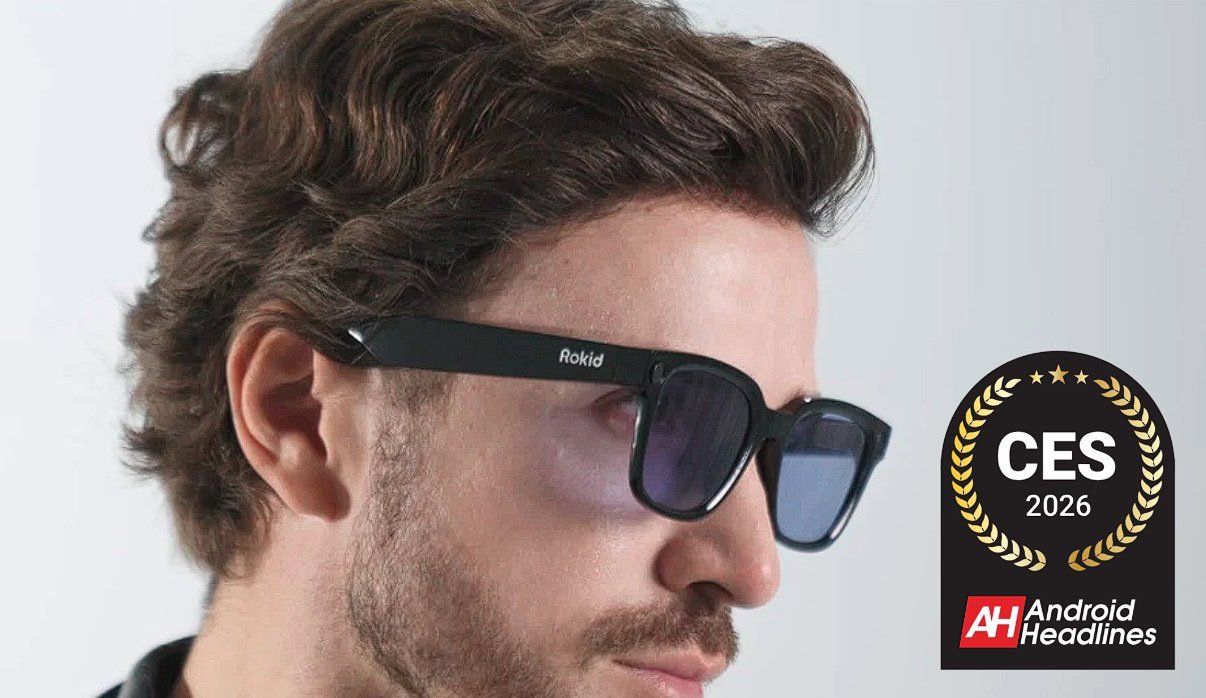
The “prescription-first” philosophy of the Rokid Style smart glasses makes them worthy of a Best of CES 2026 Award. Competitors often have trouble with frames that are too big and displays that are too distracting. The brand does, however, offer a voice-only experience without a screen that weighs only 38.5 grams. Rokid has made a wearable that people can actually wear all day.
Rokid Style smart glasses focus on your comfort—and prescription
The Rokid Style marks a significant departure from the trend of augmented reality glasses. Instead of projecting images onto your field of vision, these glasses act as a lightweight, intelligent assistant that stays out of your way. At the heart of the device is a dual-chip architecture that supports an open AI ecosystem. Unlike proprietary hardware that locks you into one assistant, the Rokid Style lets you interact with ChatGPT, DeepSeek, and Qwen. This flexibility extends to global services like Google Maps and real-time AI translation.
Rokid clearly understands that for smart glasses to succeed, they must first be excellent glasses. The “prescription-first” design accommodates a wide correction range (up to ±15.00D). Plus, the ultra-thin lenses feature anti-scratch and anti-reflective coatings. We particularly appreciate the dynamic photochromic lenses, which transition from indoor clarity to outdoor sunglasses in just 25 seconds. Despite their slim profile, the frames house a 12-megapixel Sony sensor capable of shooting 4K video, offering creators a hands-free way to capture content in various formats (3:4, 4:3, or 9:16).
Battery life also sets a high bar for the industry. The Rokid Style provides up to 12 hours of typical use on a single charge, ensuring they last through a full workday. The company also took care of the small details, like the aviation-grade titanium hinges and air-cushioned silicone nose pads. These smart glasses will launch on January 19 at a competitive starting price of $299.
