
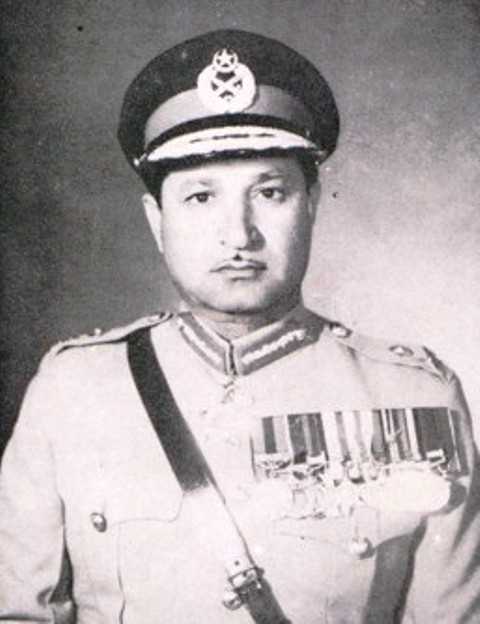
 Featured Biography
Image source: StarsUnfolded
Quick Info
Date of birth1915
Age89 (at time of death)
BirthplaceBalo-Khel village, Mianwali district, Punjab Province, British India
ProfessionRetired Pakistan Army Officer and Politician
NationalityBritish Indian (1915 - 1947); Pakistani (1947 - 2004)
Marital statusWidower
FamilySurvived by five children
AAK Niazi Biography
Amir Abdullah Khan Niazi was a Pakistani three-star army officer who rose from enlisted ranks in the British Indian Army to command Pakistan’s Eastern Army
Early life and backgroundAmir Abdullah Khan Niazi was born in 1915 in the village of Balo-Khel in the Mianwali district of what was then Punjab Province, British India. He came from a Niazi Pathan family and completed his matriculation at a local school before entering military service. Niazi first joined the British Indian Army as a sepoy and was later selected for an emergency commission as an officer.
Military career
Niazi received officer training as a Y Cadet and completed instruction at the Officers Training School in Bangalore. He was commissioned as a second lieutenant on 8 March 1942 and initially served with the 4th Battalion of the 7th Rajput Regiment. During the Second World War his battalion served in the 161st Indian Infantry Brigade and took part in operations in the Burmese theatre, including actions in the Kekrim Hills where his leadership drew favorable notice from higher command.
Over the decades that followed, Niazi advanced through a series of regimental postings and commands. His service record includes assignments with the Punjab and Punjab-related battalions and later command appointments such as leadership of the 51st Infantry Brigade, the School of Infantry and Tactics at Quetta, the 14th Paratroopers Brigade, and General Officer Commanding of the 8th and 10th Infantry Divisions. He ultimately rose to the rank of lieutenant general and took command of Pakistan’s Eastern Command on 4 April 1971.
Niazi’s service years officially span from his commissioning in 1942 until his dismissal from service in June 1975. Throughout his career he received numerous military decorations from both the British and Pakistani governments, including wartime campaign medals from the Second World War and multiple Pakistani military awards recognizing service and valor.
1971 war and aftermath
As Eastern Command commander, Niazi led Pakistani forces in East Pakistan during the 1971 Indo-Pakistan War. That conflict ended on 16 December 1971 when he surrendered to the Indian Eastern Command. In the years after the war, the Hamoodur Rahman Commission was established to investigate the events of 1971. The commission held Niazi personally accountable in its findings and recommended a court-martial, although a court-martial was not conducted.
Niazi disputed aspects of the commission’s report and maintained that responsibility for the crisis in East Pakistan extended beyond his command. He gave testimony to the commission in 1982 and at times publicly attributed blame to higher-ranking officials. The commission’s proceedings also recorded allegations related to misconduct by troops under his command; Niazi acknowledged that indiscipline occurred in East Pakistan and said he had reported instances of looting, arson, and sexual violence to higher headquarters during the conflict.
Politics and later life
After leaving the army, Niazi entered politics by joining the Pakistan National Alliance. His political involvement was brief; he left politics in 1977. He lived the remainder of his life in Pakistan and died on 1 February 2004 in Lahore at the age of 89. The cause of death was reported as diabetic complications.
Public profile
Over the course of his career Niazi was a controversial and highly visible figure. He was known by several sobriquets and his role in 1971 made him one of the most debated military personalities in Pakistan’s modern history. His wartime leadership and subsequent treatment by the Hamoodur Rahman Commission have been the subject of extensive public and historical discussion.
Latest updates
AAK Niazi is survived by five children. He remained a figure of public interest until his death in 2004, and his military record and the events of 1971 continue to be examined in historical accounts and official inquiries.
Editorial Review and Sources
This F4U profile is written from publicly available career and profile information, then reviewed for clarity before publication. If you spot an outdated detail about AAK Niazi, send the page URL and a reliable correction source to f4udotin@gmail.com.
Reference context: StarsUnfoldedAccuracy
Request a Correction
Tell us what needs to be updated and share a reliable source so the editorial team can review it.
Ownership
Claim This Profile
If this profile is about you or your client, send your contact details and verification context.
Recent Work
Led Pakistan's Eastern Army from 4 April 1971 until surrender on 16 December 1971
1971Career Highlights
- Commissioned as Second Lieutenant on 8 March 1942 after serving as a sepoy
- Served in the Burmese campaign during the Second World War; commended for leadership at Kekrim Hills
- Rose to rank of Lieutenant General and commanded Pakistan's Eastern Command in 1971
- Received multiple British and Pakistani military decorations
Frequently Asked Questions
When was AAK Niazi born?
AAK Niazi was born on 1915.
What is AAK Niazi known for?
AAK Niazi is known for retired Pakistan Army Officer and Politician.
What is AAK Niazi’s marital status?
AAK Niazi's marital status is listed as Widower.
Related Biographies
View all →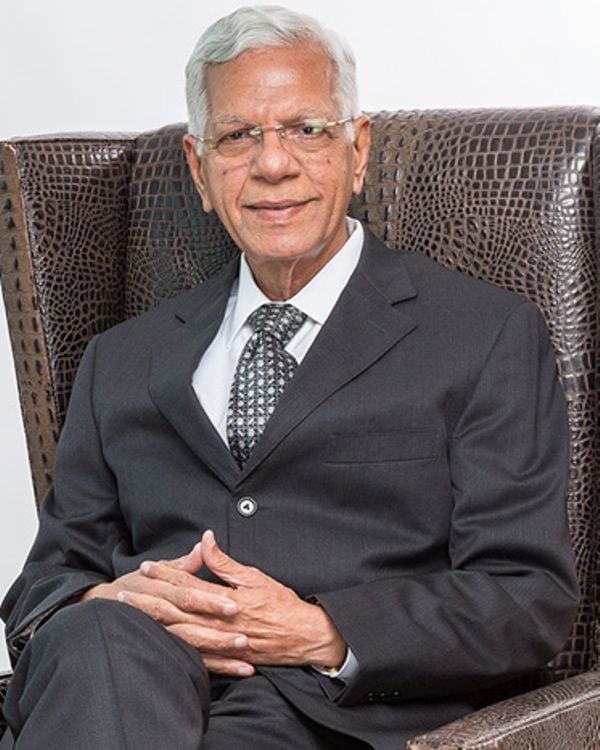 Celebrities
☑️Chandru Raheja
Chandru Lachmandas Raheja is an Indian businessman known for leading K. Raheja Corporation and for his long career in real estate, retail and hospitality.ト
Updated 2026-10-04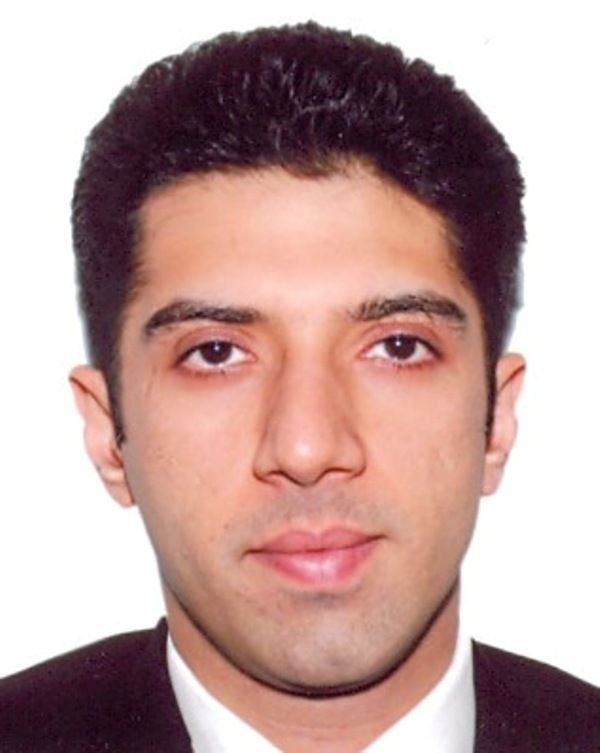 Celebrities
✅Neel Raheja
Neel Chandru Raheja is an Indian businessman who serves as Group President of K Raheja Corp. Born in Mumbai in 1974, he has guided the family's expansion—b
Updated 2026-10-04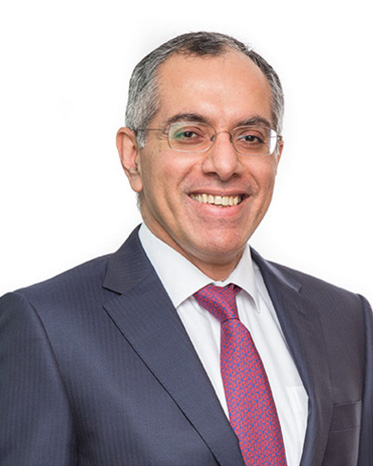 Celebrities
✅Ravi Raheja
Ravi Chandru Raheja is an Indian businessman known for his leadership role at K. Raheja Corporation. Born and raised in Mumbai, he holds degrees from the H
Updated 2026-10-04 Celebrities
6 Girlfriends Of Salman Khan
A look at six women who have been linked to Bollywood star Salman Khan over the years, from early romances to high-profile relationships that captured wide
Updated 2026-10-04