
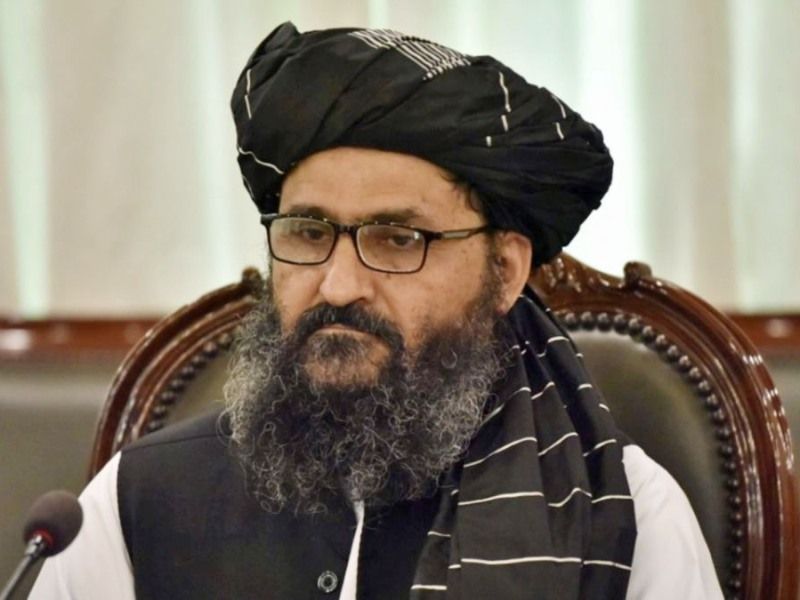
 Featured Biography
Image source: StarsUnfolded
Celebrities
Abdul Ghani Baradar Biography: Age, Career, Family and More
Quick Info
Date of birth1968
Age54 Years (as of 2022)
BirthplaceWeetmak village, Deh Rahwod District, Uruzgan Province, Afghanistan
ProfessionTaliban Militant
NationalityAfghan
Marital statusMarried
SpouseName not known
FamilyDurrani Pashtun, Popalzai tribe
Abdul Ghani Baradar Biography
Abdul Ghani Baradar is a founding member of the Taliban who rose to become one of its most senior and visible leaders. A veteran mujahideen commander fromU
Early life and backgroundAbdul Ghani Baradar was born in 1968 in Weetmak village, Deh Rahwod District, Uruzgan Province, Afghanistan. He belongs to the Durrani Pashtun community of the Popalzai tribe and grew up during a period of intense conflict that shaped his early life. As a young man he fought as a mujahideen during the Soviet invasion of Afghanistan in the 1980s, fighting alongside Mullah Mohammed Omar and forming a long-standing personal and military relationship with him.
Career
Baradar was among the core group that helped establish the Taliban movement in the 1990s. He served in a variety of military and administrative roles during the Taliban’s first regime, including senior military commands and, by some accounts, provincial governorships. During that period he emerged as one of Omar’s most trusted commanders and was widely viewed as a key architect of the movement’s territorial gains.
After the U.S.-led invasion in 2001, Baradar remained active in the insurgency. He rose to prominence within the Quetta Shura and became a de facto leader of the Taliban insurgency while the group operated from Pakistan. He is reported to have held senior positions such as Deputy Minister of Defence under the Taliban regime and has been described in some sources as a former senior army commander.
Baradar’s approach to leadership has been characterized by those close to the movement as consultative and traditionally grounded. He is said to engage with a wide range of interlocutors—political and military colleagues, tribal elders, and lower-ranking commanders—and to seek consensus before acting. Observers within and outside the movement have often contrasted his style with that of other figures, noting his tendency to solicit opinions, take notes at meetings, and refer back to the statements of Mullah Omar.
Arrest, detention and release
In February 2010 Baradar was arrested in a raid near Karachi. His capture drew international attention and was described by some U.S. officials as a significant event in the campaign against the Taliban. After several years in custody, Pakistani authorities released him on 24 October 2018. His return to the public stage coincided with renewed U.S.-led efforts to negotiate with Taliban representatives.
Negotiations and public role
Following his release, Baradar played a central role in talks with U.S. representatives. He led Taliban delegations that engaged in negotiations in Doha, culminating in a February 29, 2020 agreement between the Taliban and the United States. Since then he has been viewed as a prominent public face of the movement and has been associated with efforts to present a more moderate, political posture for the Taliban.
Public profile
Baradar is often described in media and analyst accounts as more patient and more open to discussion than some other Taliban leaders. His reputation within the movement is that of a pragmatic operator who balances traditional Pashtun leadership practices with the demands of political and military leadership. While he remains a senior and influential figure, he is also portrayed as someone who values consultation and consensus-building.
Family and personal life
Baradar is married. Public sources list his wife’s name as not known. Beyond basic family ties and his tribal affiliation, publicly available information focuses primarily on his military and political activities rather than private details.
Latest updates
Since his release in 2018, Baradar has been central to the Taliban’s international engagements and outreach. He led negotiations that produced the 2020 agreement with the United States and has figured prominently as the Taliban sought to reshape its public image amid diplomatic talks and the group’s changing status in Afghanistan.
Editorial Review and Sources
This F4U profile is written from publicly available career and profile information, then reviewed for clarity before publication. If you spot an outdated detail about Abdul Ghani Baradar, send the page URL and a reliable correction source to f4udotin@gmail.com.
Reference context: StarsUnfoldedAccuracy
Request a Correction
Tell us what needs to be updated and share a reliable source so the editorial team can review it.
Ownership
Claim This Profile
If this profile is about you or your client, send your contact details and verification context.
Recent Work
Led Taliban delegations in talks with U.S. representatives that resulted in the February 29, 2020 agreement in Doha.
2020Career Highlights
- Co-founder of the Taliban movement in Afghanistan
- Served as a senior military commander and deputy under Mullah Mohammed Omar
- Held senior leadership roles within the Taliban insurgency and the Quetta Shura
- Arrested in Karachi in February 2010 and released by Pakistani authorities in October 2018
- Led Taliban negotiations with the United States resulting in the 2020 Doha agreement
People Also Search For
Frequently Asked Questions
When was Abdul Ghani Baradar born?
Abdul Ghani Baradar was born on 1968.
What is Abdul Ghani Baradar known for?
Abdul Ghani Baradar is known for taliban Militant.
What is Abdul Ghani Baradar’s marital status?
Abdul Ghani Baradar's marital status is listed as Married.
Who is Abdul Ghani Baradar married to?
Abdul Ghani Baradar is publicly listed as married to Name not known.
Related Biographies
View all →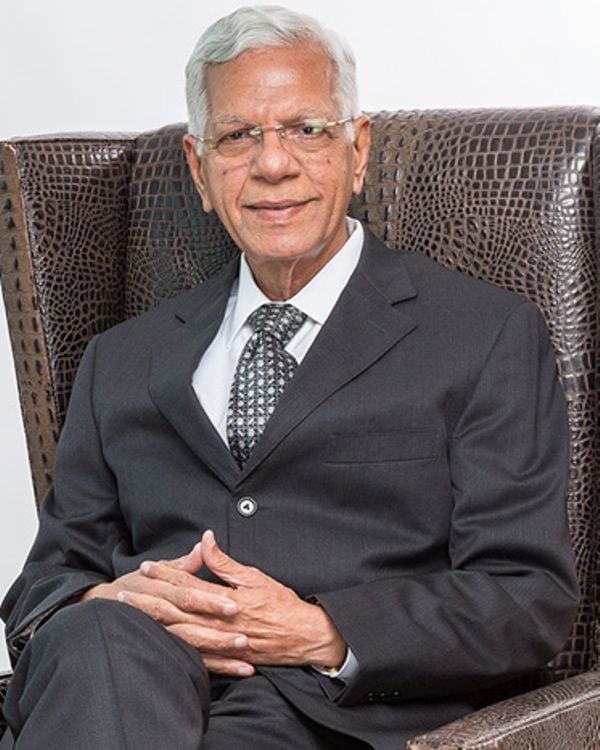 Celebrities
☑️Chandru Raheja
Chandru Lachmandas Raheja is an Indian businessman known for leading K. Raheja Corporation and for his long career in real estate, retail and hospitality.ト
Updated 2026-10-04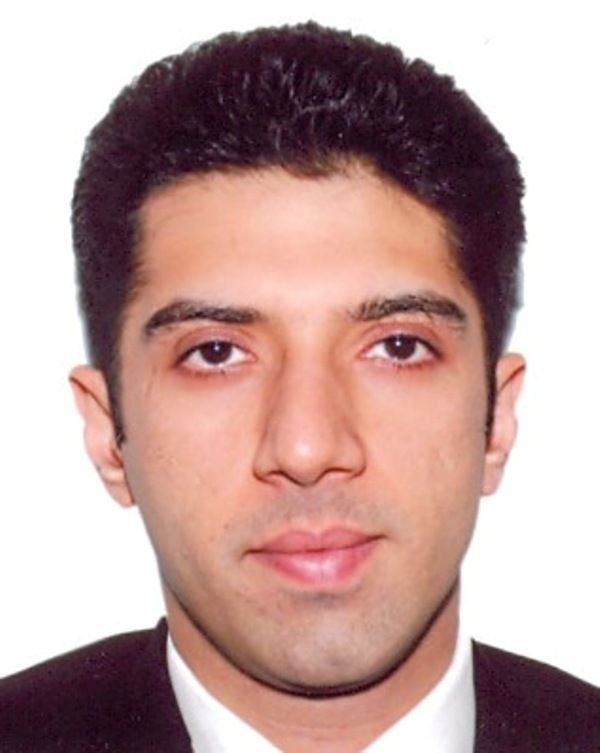 Celebrities
✅Neel Raheja
Neel Chandru Raheja is an Indian businessman who serves as Group President of K Raheja Corp. Born in Mumbai in 1974, he has guided the family's expansion—b
Updated 2026-10-04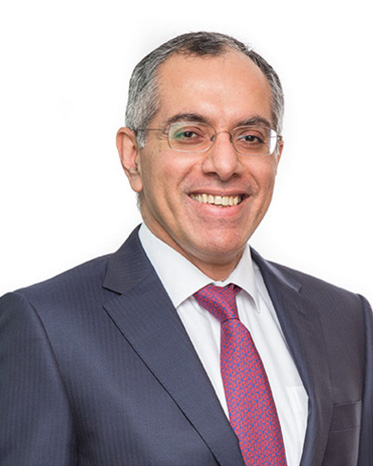 Celebrities
✅Ravi Raheja
Ravi Chandru Raheja is an Indian businessman known for his leadership role at K. Raheja Corporation. Born and raised in Mumbai, he holds degrees from the H
Updated 2026-10-04 Celebrities
6 Girlfriends Of Salman Khan
A look at six women who have been linked to Bollywood star Salman Khan over the years, from early romances to high-profile relationships that captured wide
Updated 2026-10-04