
 Featured Biography
Image source: StarsUnfolded
Celebrities
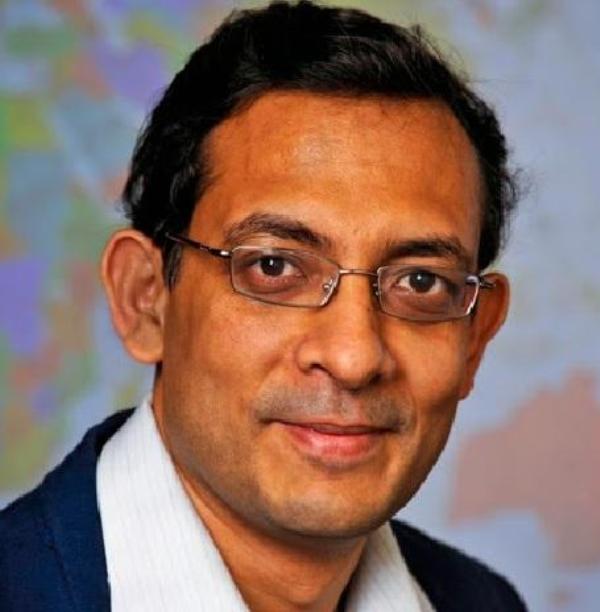
Abhijit Banerjee (Nobel Winner) Biography: Age, Career, Family andMore
Quick Info
Date of birth21 February 1961
Age65 years
BirthplaceKolkata, India
ProfessionEconomist
NationalityAmerican
Marital statusMarried
SpouseEsther Duflo
FamilySon Kabir Banerjee (deceased)
Abhijit Banerjee (Nobel Winner) Biography
Abhijit Vinayak Banerjee was born on 21 February 1961 in Kolkata, India, into a family of economists.
Early life and backgroundAbhijit Vinayak Banerjee was born on 21 February 1961 in Kolkata, India, into a family of economists. He grew up in Kolkata, attended South Point School, and spent his childhood playing near his neighbourhood, where he came into contact with children from a nearby slum. His parents, Dipak and Nirmala Banerjee, were both academics in economics; his father headed the Department of Economics at Presidency College, and his mother taught at the Centre for Studies in Social Sciences in Calcutta. Banerjee completed a B.S. in economics at Presidency College in 1981 and then an M.A. in economics at Jawaharlal Nehru University in 1983. He earned a Ph.D. in economics from Harvard University in 1988.
Career
Banerjee’s academic work focuses on development economics. He has advocated the use of field experiments to identify causal relationships in economic research and has taught at several prestigious institutions, including Harvard and Princeton, before becoming the Ford Foundation International Professor of Economics at the Massachusetts Institute of Technology. His doctoral thesis was titled "Essays in Information Economics," and his doctoral advisor was Eric Maskin. Among his doctoral students are Esther Duflo, Dean Karlan, and Benjamin Jones.
He is the author and co‑editor of several books and collections on development and poverty, including titles such as Volatility and Growth (2005), Making Aid Work (2005), Understanding Poverty (2006), Poor Economics: A Radical Rethinking of the Way to Fight Global Poverty (2011), and the Handbook of Field Experiments (2017). His research and applied work have been recognized by numerous grants, fellowships, lectureships and prizes throughout his career.
In 2013 he was appointed by the then United Nations Secretary‑General to a panel of experts charged with updating the Millennium Development Goals. The pinnacle of his career recognition came in 2019 when he shared the Nobel Memorial Prize in Economic Sciences with Esther Duflo and Michael Kremer for their experimental approach to alleviating global poverty.
Public profile
Banerjee is described as someone who enjoys classical music, cooking, and sports such as cricket and table tennis. He has been characterized by family and friends as a strong presence within his circle of school friends, and his mother has spoken about his early talents, love of food and sports, and his habit of cooking for family and friends. He maintains ties to Kolkata and is a member of the Tollygunge Club, where he plays table tennis when visiting.
Banerjee’s public role has sometimes drawn political attention. Ahead of the 2019 Indian general election, his name was mentioned in connection with a proposed guaranteed minimum income scheme; he publicly clarified that his contribution was limited to supplying information to inform choices rather than designing the policy itself. He also received the Nobel Prize while wearing Indian attire when he accepted the award on 14 October 2019.
Personal life
Banerjee has been married twice. His first marriage was to Arundhati Tuli Banerjee, a literature lecturer at MIT; the couple had a son, Kabir, who later studied at institutions including MIT and UCL and who died around March 2016. In 2015 Banerjee married economist Esther Duflo, who had been one of his doctoral students and later a long‑time collaborator. Banerjee is of Bengali Indian ethnicity and holds American nationality. He is known to be non‑vegetarian and enjoys regional dishes; his favourite dessert is reported to be Bengali sandesh.
Latest updates
Banerjee continues to be active in research and public engagement around issues of poverty and development. His work remains influential in shaping how economists design and evaluate interventions in low‑income settings, and he remains a prominent voice in international development circles.
Editorial Review and Sources
This F4U profile is prepared from the public references listed below and reviewed for clarity. If you spot an outdated detail about Abhijit Banerjee (Nobel Winner), send the page URL and a reliable correction source to f4udotin@gmail.com.
Accuracy
Request a Correction
Tell us what needs to be updated and share a reliable source so the editorial team can review it.
Ownership
Claim This Profile
If this profile is about you or your client, send your contact details and verification context.
Recent Work
A book presenting findings and policy implications from field experiments in development economics.
2011Edited volumes bringing together research using field experiments to study development questions.
2017Career Highlights
- Ph.D. in economics from Harvard University (1988)
- Ford Foundation International Professor of Economics at MIT
- Appointed to UN panel to update the Millennium Development Goals (2013)
- Nobel Memorial Prize in Economic Sciences (2019)
People Also Search For
Frequently Asked Questions
When was Abhijit Banerjee (Nobel Winner) born?
Abhijit Banerjee (Nobel Winner) was born on 21 February 1961.
What is Abhijit Banerjee (Nobel Winner) known for?
Abhijit Banerjee (Nobel Winner) is known for economist.
What is Abhijit Banerjee (Nobel Winner)’s marital status?
Abhijit Banerjee (Nobel Winner)'s marital status is listed as Married.
Who is Abhijit Banerjee (Nobel Winner) married to?
Abhijit Banerjee (Nobel Winner) is publicly listed as married to Esther Duflo.
Related Biographies
View all →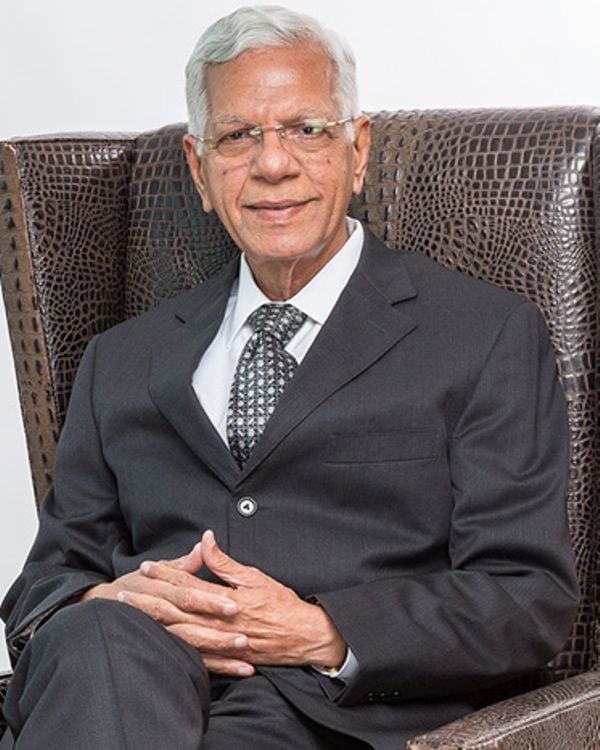 Celebrities
Chandru Raheja
Veteran Indian businessman Chandru Raheja is the chairman of K. Raheja Corporation and a noted real-estate and retail leader.
Updated 2026-10-23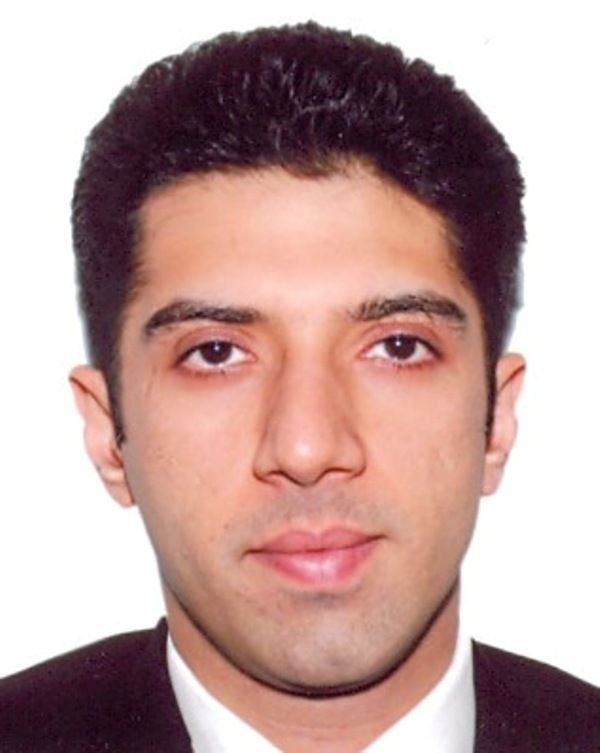 Celebrities
Neel Raheja
Neel Chandru Raheja was born on 27 June 1974 in Mumbai, Maharashtra. Raised in a family with deep roots in Indian real estate, he is the son of Chandru Raheja and Jyoti C. Raheja and a grandson of Lachmandas Raheja, the founder of the K. Raheja Group.
Updated 2026-10-04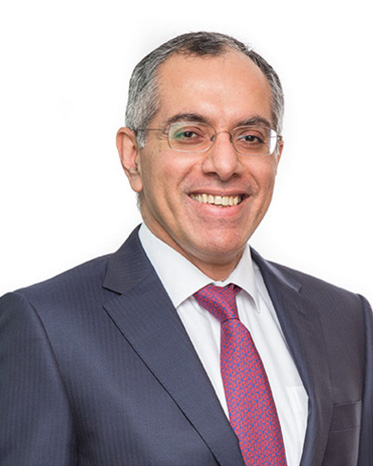 Celebrities
Ravi Raheja
Business leader Ravi Chandru Raheja is Group President at K. Raheja Corporation with a background in commerce and an MBA from London Business School.
Updated 2026-10-23 Celebrities
1eye43
Indian rapper 1eye43, born Vivek in Chandigarh, rose from hardship to build a following with viral 2024 tracks.
Updated 2026-10-23