
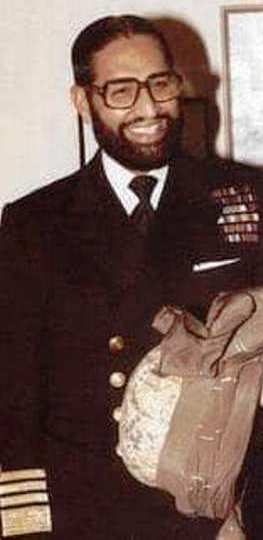
 Featured Biography
Image source: StarsUnfolded
Celebrities
Admiral Mohammad Shariff Biography: Age, Career, Family and More
Quick Info
Date of birth1 July 1920
Age99 Years (at time of death)
BirthplaceGujrat, Punjab Province, British India (now Pakistan)
ProfessionRetired Pakistan Navy Officer
NationalityBritish Indian (1920–1947); Pakistani (1947–2020)
Admiral Mohammad Shariff Biography
Admiral Mohammad Shariff was a senior Pakistan Navy officer whose career spanned from the Royal Indian Navy in 1936 to senior leadership roles in the post‑
Early life and backgroundMohammad Shariff was born on 1 July 1920 in Gujrat, then part of British India’s Punjab Province. He trained at the Rashtriya Indian Military College in Dehradun and later attended the Naval War College in Newport, Rhode Island, where he completed a master’s degree in War Studies in 1962. His early service began in the Royal Indian Navy in 1936, and he served as a signalist through the Second World War, taking part in multiple theatres including the Atlantic and Mediterranean.
Career
After graduating from Britannia Royal Naval College as a Sub-Lieutenant in 1946, Shariff transferred to the Pakistan Navy following partition in 1947. Over the next three decades he rose through the ranks, holding a succession of key staff and operational appointments. By the 1950s he was serving at Naval Headquarters in Karachi as a senior staff officer; he gained promotion to Commander in 1960 and, following his studies in the United States, served as Deputy Chief of Naval Staff (Personnel) during the 1965 Indo‑Pak war.
In 1966 Shariff became Deputy Chief of Naval Staff (Operations), a post he filled until 1969. He represented Pakistan on high‑level military visits, including a delegation to China in 1968. Promoted to Rear‑Admiral in 1969, he was posted as the Flag Officer Commanding (FOC) of the Pakistan Navy’s Eastern Command in East Pakistan, a position he held through the events of 1971.
During the 1971 conflict he led naval operations from East Pakistan, including amphibious and coastal actions planned in conjunction with naval commandos and marines. As the conflict progressed and India achieved air superiority, Shariff organized evacuations of trained technical staff, aircraft and naval personnel toward Burma where possible. When East Pakistan surrendered on 16 December 1971, Shariff surrendered to the Eastern Naval Command of the Indian Navy and was taken to prisoner‑of‑war facilities in India. He was repatriated to Pakistan in March 1973.
On return he gave testimony to the Hamoodur Rahman Commission on the military and political failures that contributed to the 1971 defeat. His post‑war career continued to advance: he was promoted to Vice‑Admiral in 1974 and made Vice‑Chief of Naval Staff, then appointed Chief of Naval Staff on 23 March 1975, becoming the Pakistan Navy’s first officer to hold the rank of Admiral.
In the late 1970s Shariff served at the highest levels of Pakistan’s military leadership. He became acting Chairman Joint Chiefs of Staff Committee in February 1977 and his appointment to that post was made permanent in 1978. During this period he also acted as Deputy Chief Martial Law Administrator following the imposition of martial law in 1977 and participated in high‑level strategic discussions after the Soviet invasion of Afghanistan in late 1979.
Public profile
Shariff’s service record is marked by a large number of decorations from Pakistan and foreign states. Pakistani honours awarded across his career include wartime and peacetime medals culminating in the Nishan‑e‑Imtiaz (Military) following his return from India in 1973. He also held British Second World War campaign stars and medals, and received the United States’ Legion of Merit (Commander degree).
Known for direct operational leadership as FOC Eastern Command in 1971 and for later institutional roles as Chief of Naval Staff and Chairman Joint Chiefs, Shariff wrote about the war years and the difficulties faced in East Pakistan, reflecting on the deterioration of law and order there and on shortcomings in available fighting strength.
Latest updates
Admiral Mohammad Shariff died in Islamabad on 27 April 2020 at the age of 99. The cause of death was reported as natural causes. His passing closed a seven‑decade association with naval service that began in 1936 and continued through senior defence leadership into 1980.
Editorial Review and Sources
This F4U profile is written from publicly available career and profile information, then reviewed for clarity before publication. If you spot an outdated detail about Admiral Mohammad Shariff, send the page URL and a reliable correction source to f4udotin@gmail.com.
Reference context: StarsUnfoldedAccuracy
Request a Correction
Tell us what needs to be updated and share a reliable source so the editorial team can review it.
Ownership
Claim This Profile
If this profile is about you or your client, send your contact details and verification context.
Recent Work
A memoir in which Shariff reflected on his service and the challenges faced during the 1971 conflict in East Pakistan.
Career Highlights
- Joined Royal Indian Navy as a sailor (1936)
- Served through WWII as a signalist in multiple theatres
- Transferred to Pakistan Navy after partition (1947)
- Deputy Chief of Naval Staff (Personnel) (1962)
- Deputy Chief of Naval Staff (Operations) (1966–1969)
- Flag Officer Commanding Eastern Naval Command (1969–16 December 1971)
Frequently Asked Questions
When was Admiral Mohammad Shariff born?
Admiral Mohammad Shariff was born on 1 July 1920.
What is Admiral Mohammad Shariff known for?
Admiral Mohammad Shariff is known for retired Pakistan Navy Officer.
Related Biographies
View all →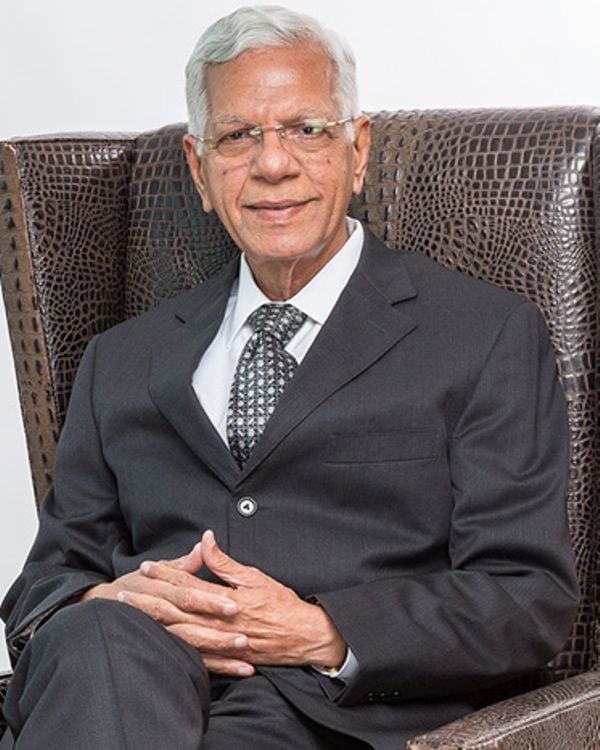 Celebrities
☑️Chandru Raheja
Chandru Lachmandas Raheja is an Indian businessman known for leading K. Raheja Corporation and for his long career in real estate, retail and hospitality.ト
Updated 2026-10-04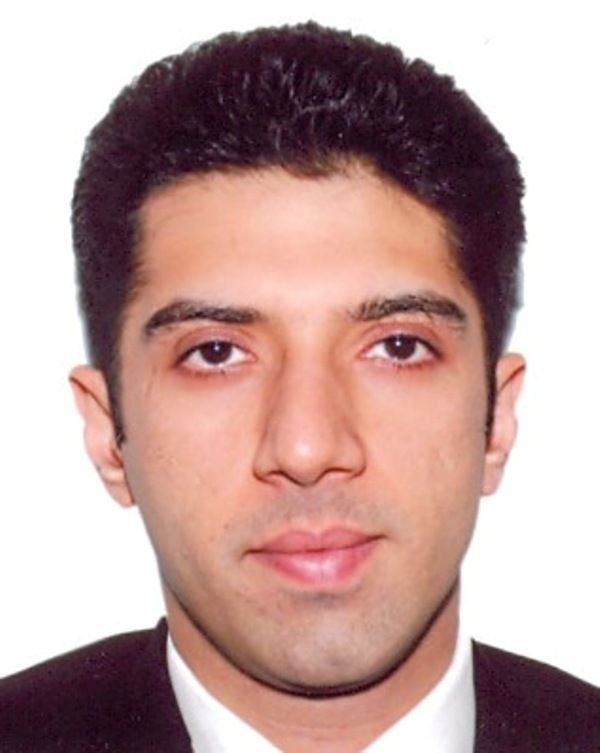 Celebrities
✅Neel Raheja
Neel Chandru Raheja is an Indian businessman who serves as Group President of K Raheja Corp. Born in Mumbai in 1974, he has guided the family's expansion—b
Updated 2026-10-04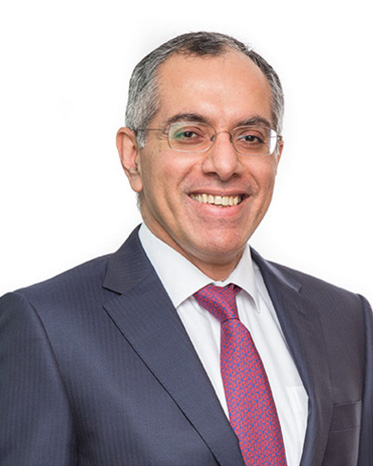 Celebrities
✅Ravi Raheja
Ravi Chandru Raheja is an Indian businessman known for his leadership role at K. Raheja Corporation. Born and raised in Mumbai, he holds degrees from the H
Updated 2026-10-04 Celebrities
6 Girlfriends Of Salman Khan
A look at six women who have been linked to Bollywood star Salman Khan over the years, from early romances to high-profile relationships that captured wide
Updated 2026-10-04