
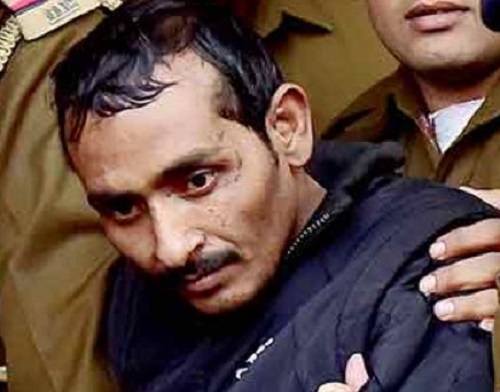
 Featured Biography
Image source: StarsUnfolded
Celebrities
Akku Yadav Biography: Age, Career, Family and More
Quick Info
Date of birth1972
Age32 Years (at time of death)
BirthplaceNagpur, Maharashtra
ProfessionAlleged serial criminal
NationalityIndian
Marital statusUnmarried
FamilyFather: Kalicharan Yadav; had six brothers and six sisters; brothers named Santosh and Yuvraj among them
Akku Yadav Biography
Akku Yadav, born Bharat Kalicharan Yadav in 1972 in Nagpur, Maharashtra, became a notorious figure in the Kasturba Nagar slum where he lived. Accused over,
Early life and backgroundBharat Kalicharan Yadav, widely known as Akku Yadav, was born in 1972 and raised in the Kasturba Nagar slum of Nagpur, Maharashtra. His father, Kalicharan Yadav, worked as a milkman. The family faced financial hardship after his father’s death; they sold livestock and struggled to make ends meet. Akku attended school up to around the seventh grade.
He grew up in a large family with many siblings. Records indicate he had six brothers and six sisters; two of his brothers were named Santosh and Yuvraj. One elder brother held a government job, while several of his other brothers were involved in criminal activity.
Career
In the slum where he lived, Akku Yadav developed a reputation for violent and criminal behavior. Over roughly a decade he was accused of a range of crimes, including robbery, home invasion, kidnapping, assault, and multiple allegations of sexual violence. Reports say he preyed on residents of the predominantly Dalit neighborhood and used intimidation, threats and bribery to shield himself from police action. He was arrested multiple times by local authorities and at one point detained under Maharashtra’s preventive detention law in 1999, but he frequently returned to the community after being released on bail.
Accounts describe a pattern of escalating violence. Neighbours and alleged victims reported episodes ranging from theft and extortion to brutal assaults, mutilation and murder. Several incidents described in contemporary reporting portray a climate of fear: residents stayed indoors when he was known to be nearby, and women were particularly vulnerable to his actions. A number of victims are named in those accounts, and some incidents are described in detail, including attacks that left lasting physical wounds.
As resistance grew within the slum, individual acts of defiance were reported. One woman, identified in the record as Usha, stood up to Yadav when his associates threatened her family. Neighbours observed that after a failed attempt to intimidate her, the community organized and set fire to Yadav’s home. Yadav then surrendered at the police station, believing custody there would protect him.
Public profile
Akku Yadav’s case drew attention beyond Kasturba Nagar as the slum’s residents sought protection that they said the local police did not provide. Media coverage and later nonfiction works examined the dynamics of power, caste and institutional failure that surrounded his alleged crimes and the community’s response.
His death became the most widely reported event associated with his name. On 13 August 2004, while being escorted to a hearing at the Nagpur District Court in Vidarbha, Yadav was attacked by a group of people from his slum. Contemporary reports indicate about 200 women from the community had gathered at the court; what began as confrontation escalated into a fatal mob attack. Accounts describe the attackers using chilli powder and knives; Yadav was killed at the court premises. Following the killing, many in the slum reportedly celebrated, while authorities arrested multiple people in connection with the lynching. Twenty-one arrests were reported; a number of those charged later died during court proceedings and others were released.
Latest updates
The case continued to resonate in books, documentaries and films. A Hindi documentary titled Candles in the Wind was released in 2011. Fictional and dramatized films inspired by the incident include the Telugu film Keechaka (2015) and the Hindi film 200 Halla Ho (2021). In 2022 a Hindi-language Netflix series, Indian Predator: Murder In A Courtroom, examined the lynching and related events.
Separately, in December 2013 a relative identified as Yadav’s nephew, Mukri Chhotelal Yadav, was reported stabbed by two teenagers after allegations that he had sexually harassed a family member.
Public reactions and commentary
Voices quoted in coverage of the incident reflected deep frustration with local institutions. Some commentators and a retired judge framed the killing as the culmination of failed pleas to the police and an exhausted community’s attempt to secure safety by other means. Others involved in or affected by the event expressed pride or acceptance of the consequences, describing the act as a form of collective retribution. The legal aftermath included arrests and contested narratives about who led the attack and why.
Akku Yadav died on 13 August 2004 at the Nagpur District Court premises. He was 32 years old at the time of his death.
Recent Work
Akku Yadav's lynching and the events in Kasturba Nagar were examined in the 2022 Hindi Netflix series Indian Predator: Murder In A Courtroom.
2022The 2021 Hindi film 200 Halla Ho dramatized the lynching of Akku Yadav and the community response.
2021The 2015 Telugu film Keechaka drew on the events surrounding Akku Yadav’s death.
2015A 2011 Hindi documentary focused on the lynching of Akku Yadav and its context.
2011Career Highlights
- Alleged leader of a reign of terror in the Kasturba Nagar slum of Nagpur, accused of multiple violent crimes over a decade
- Repeatedly arrested and released on bail; detained under Maharashtra preventive detention law in 1999
- Lynched by a group from his community at Nagpur District Court on 13 August 2004
Frequently Asked Questions
When was Akku Yadav born?
1972
What is Akku Yadav known for?
Alleged serial criminal
What is Akku Yadav’s marital status?
Unmarried
Related Biographies
View all →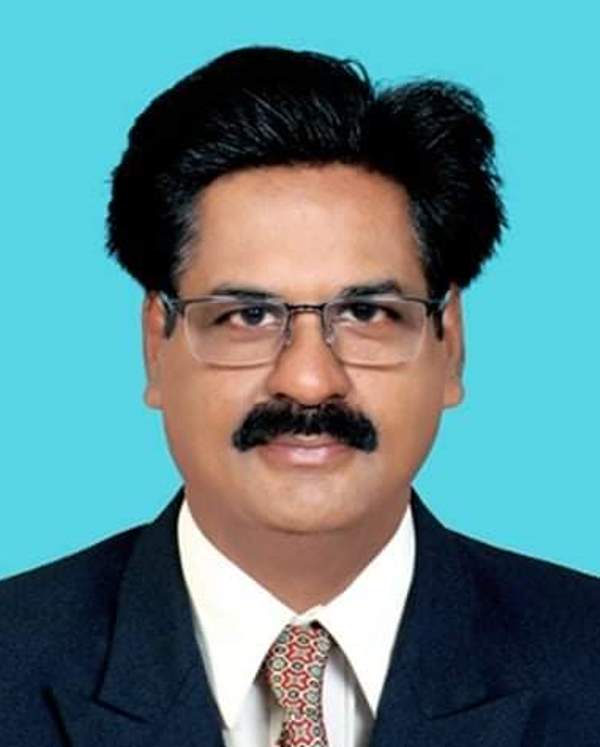 Celebrities
A Rajarajan
A Rajarajan is an Indian scientist and director of the Satish Dhawan Space Centre (SDSC SHAR) at Sriharikota. A composites specialist with a BE in机械工程, he
Updated 2026-09-15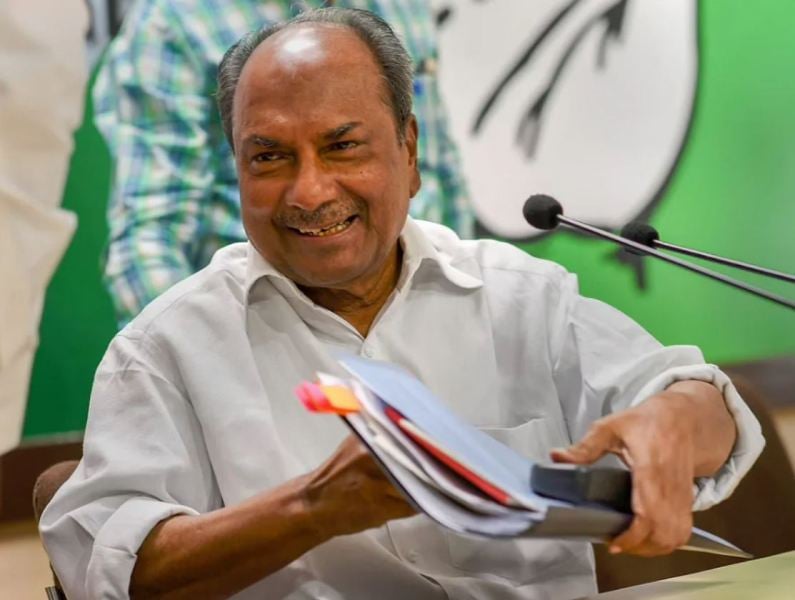 Celebrities
A. K. Antony
A. K. Antony is a veteran Indian politician from Kerala who served three times as Chief Minister of the state and for eight continuous years as India’s the
Updated 2026-09-04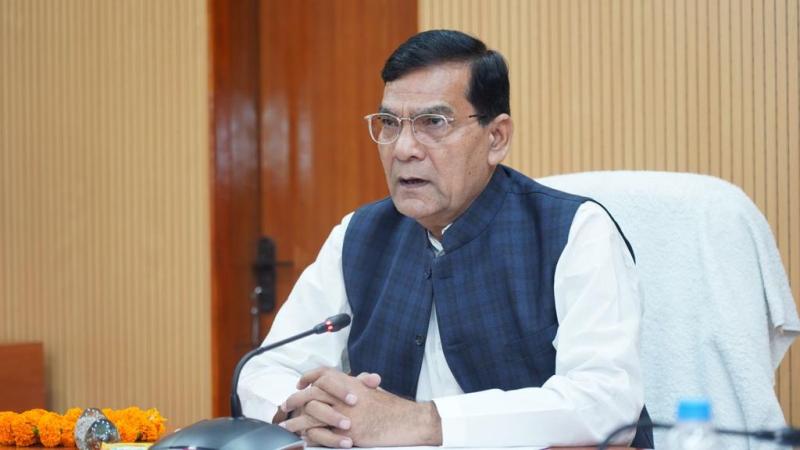 Celebrities
A. K. Sharma
Arvind Kumar (A. K.) Sharma is an Indian politician and former Indian Administrative Service (IAS) officer. Born in Mau, Uttar Pradesh, Sharma built a long
Updated 2026-09-15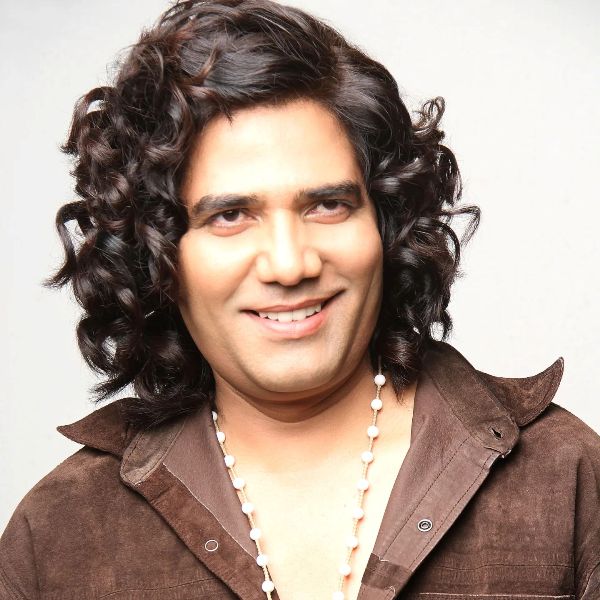 Celebrities
A. M. Turaz
A. M. Turaz is an Indian poet and multi‑disciplinary writer whose work for film, television and live poetry events has earned national awards and wide-rec
Updated 2026-09-15