
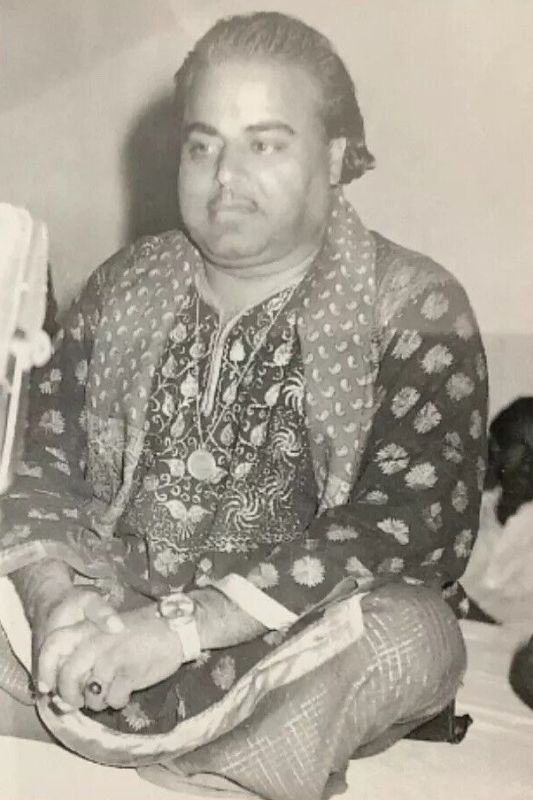
 Featured Biography
Image source: StarsUnfolded
Quick Info
Date of birth3 January 1928
Age98 years
BirthplaceAchh village, near Kotla Arab Ali Khan, Gujrat district, Punjab Province (now Pakistan)
ProfessionPunjabi folk singer, poet, and musician
NationalityPakistani
Marital statusMarried
FamilySeveral children including sons Arif Lohar, Irfan Mahmood Lohar, Imran Mahmood Lohar, Khalid Mahmood Lohar, Basharat Lohar, Faisal Lohar, Arshad Mahmood Lohar, Tariq Lohar; five daughters
Alam Lohar Biography
Muhammad Alam Lohar was born on 3 January 1928 in Achh village near Kotla Arab Ali Khan in the Gujrat district of what was then British India.
Early life and backgroundMuhammad Alam Lohar was born on 3 January 1928 in Achh village near Kotla Arab Ali Khan in the Gujrat district of what was then British India. He came from a family of blacksmiths and grew up immersed in Punjabi culture and Sufi literature. As a child he read Sufiana Kalaam and local Punjabi folk stories, and he began formal engagement with music around the age of 13.
Career
Lohar developed into one of South Asia's most listened-to folk singers by the 1970s. He built a large repertoire that included lengthy narrative songs and Sufi romances, and he became particularly associated with the performance of Waris Shah's Heer. Over the course of his career he recorded hundreds of albums and many long-play works, among them Jugni (1965), Saif ul Mulook (1948), Qissa Yusuf Zulaykha (1961), Bol Mitti de Bawa (1964) and Dilwala Dukhra (1975). Several of these releases achieved gold-disc status.
A distinctive feature of Alam Lohar's music was his use of the chimta, a traditional metal percussion instrument. He is credited with introducing and popularising the chimta in Pakistani folk music, after which the instrument became a regular element in the wider folk scene. Lohar also sang romantic ballads such as Sassi Pannu and Sohni Mahiwal and produced dozens of renditions of Heer Ranjha in varying styles, reportedly recording 36 different versions.
By the 1970s Lohar was performing regularly at festivals and gatherings and touring internationally for South Asian communities. His tours included visits to the United Kingdom, Canada, Norway, the United States and Germany. He also established his own musical and theatre group to support his performances and productions.
Public profile
Alam Lohar earned recognition for both his artistic achievements and his contribution to Punjabi folk traditions. He was honoured with performance awards, including a Best Performance Award for Jugni, and received the Pride of Performance award in 1979.
Lohar was known for music that carried a wide emotional range—celebratory and joyful at times, and deeply reflective and melancholy at others. His recordings and performances reached wide audiences across Pakistan and in the global Punjabi diaspora, and several of his songs remain popular with listeners.
Personal life
Alam Lohar was married and the father of a large family. He had several sons, among them Arif Lohar, Irfan Mahmood Lohar, Imran Mahmood Lohar, Khalid Mahmood Lohar, Basharat Lohar, Faisal Lohar, Arshad Mahmood Lohar and Tariq Lohar, and five daughters. Members of his family later moved to different countries, with many of his children living in the United Kingdom.
Lohar had a noted fondness for riding and owned a Harley Davidson motorcycle. He was described as a man with a wide smile and a deep attachment to his cultural roots.
Death and legacy
On 3 July 1979 Alam Lohar died in a road accident when his vehicle was struck by a truck; he was 51. He was buried near the town of Lalamusa. In the years following his death his musical legacy continued through recordings, the work of his children—most notably his son Arif Lohar—and through institutional remembrance. Arif and his brothers established Alam Lohar's Memorial Trust, and in 2016 Arif announced plans for a biopic in tribute to his father. The Government of Pakistan also commemorated him by naming a road from his birth village Aach to the Grand Trunk Road as Alam Lohar Road.
Latest updates
Alam Lohar's recordings remain in circulation and his influence survives in the continued use of the chimta in Pakistani folk music. His songs such as Jugni, Dilwala Dukhra and Waja Mariyan continue to be performed and listened to by millions of fans.
Editorial Review and Sources
This F4U profile is prepared from the public references listed below and reviewed for clarity. If you spot an outdated detail about Alam Lohar, send the page URL and a reliable correction source to f4udotin@gmail.com.
Accuracy
Request a Correction
Tell us what needs to be updated and share a reliable source so the editorial team can review it.
Ownership
Claim This Profile
If this profile is about you or your client, send your contact details and verification context.
Recent Work
Long-play recording that became one of his signature works
1965Long-play recording of the Sufi romantic tale
1948Long-play recording of a traditional narrative
1961Long-play recording
1964Career Highlights
- Popularised the musical motif Jugni and recorded the long-play Jugni
- Introduced and popularised the chimta as a featured instrument in Pakistani folk music
- Recorded hundreds of albums and multiple renditions of Waris Shah’s Heer Ranjha
- Performed internationally for South Asian communities in the 1970s
- Received the Pride of Performance award in 1979
People Also Search For
Frequently Asked Questions
When was Alam Lohar born?
Alam Lohar was born on 3 January 1928.
What is Alam Lohar known for?
Alam Lohar is known for punjabi folk singer, poet, and musician.
What is Alam Lohar’s marital status?
Alam Lohar's marital status is listed as Married.
Related Biographies
View all →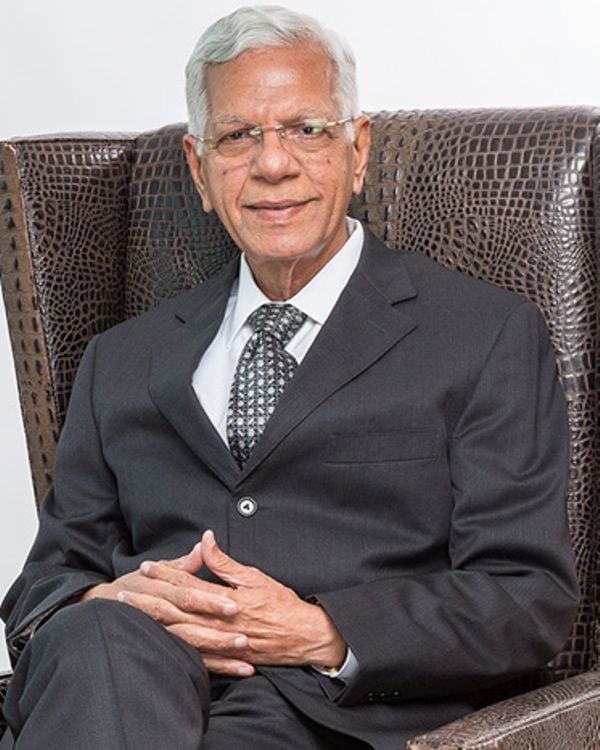 Celebrities
Chandru Raheja
Veteran Indian businessman Chandru Raheja is the chairman of K. Raheja Corporation and a noted real-estate and retail leader.
Updated 2026-10-23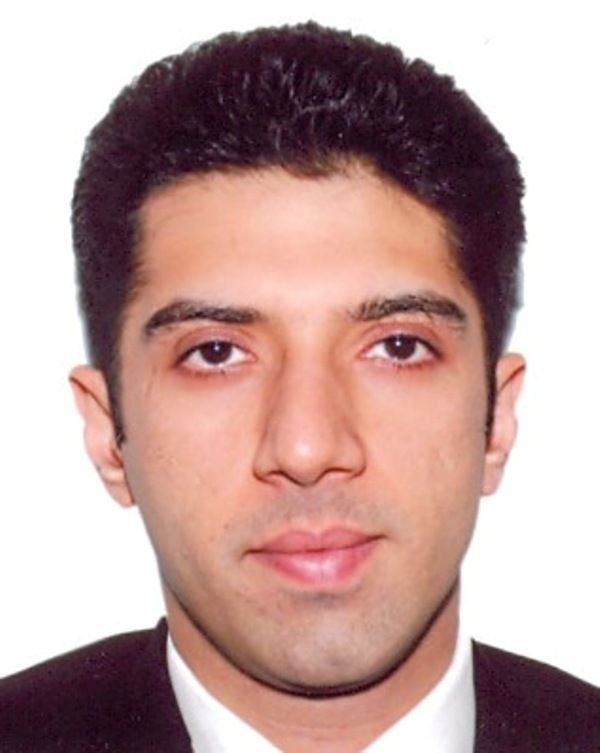 Celebrities
Neel Raheja
Neel Chandru Raheja was born on 27 June 1974 in Mumbai, Maharashtra. Raised in a family with deep roots in Indian real estate, he is the son of Chandru Raheja and Jyoti C. Raheja and a grandson of Lachmandas Raheja, the founder of the K. Raheja Group.
Updated 2026-10-04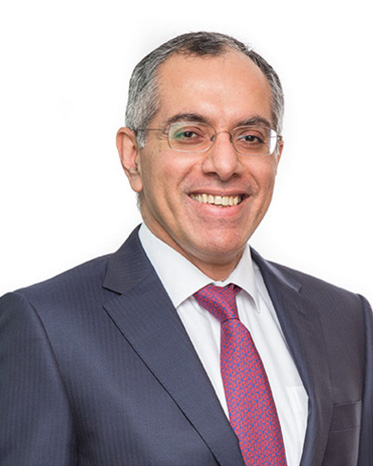 Celebrities
Ravi Raheja
Business leader Ravi Chandru Raheja is Group President at K. Raheja Corporation with a background in commerce and an MBA from London Business School.
Updated 2026-10-23 Celebrities
1eye43
Indian rapper 1eye43, born Vivek in Chandigarh, rose from hardship to build a following with viral 2024 tracks.
Updated 2026-10-23