
 Featured Biography
Image source: StarsUnfolded
Celebrities
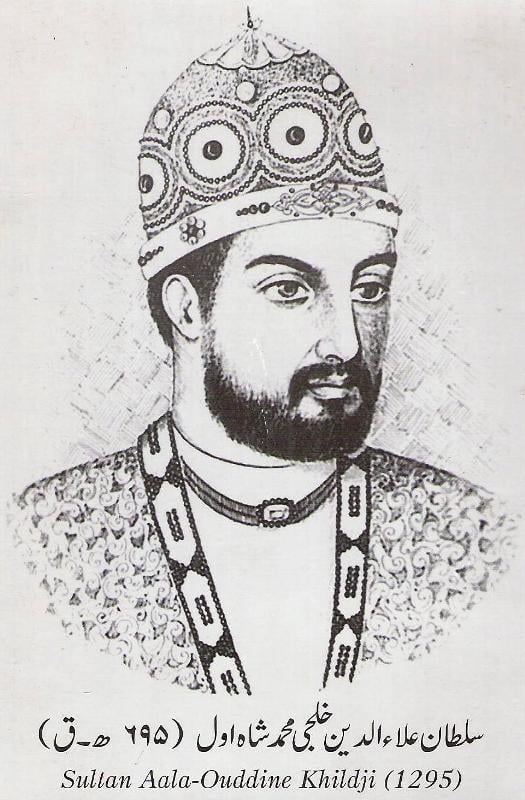
Alauddin Khilji/Khalji Biography: Age, Career, Family and More
Quick Info
Date of birth1266–1267 (approx.)
Age49–50 (at death)
BirthplaceQalat, Zabul Province, Afghanistan
ProfessionRuler (Sultan of Delhi)
Marital statusMarried
SpouseMallika-i-Jahan; Mahru; Kamaladevi; Jhatyapali
FamilyFather: Shihabuddin Mas'ud; Sons: Khizr Khan, Shadi Khan, Qutb ud din Mubarak Shah, Shihab-ud-din Omar
Alauddin Khilji/Khalji Biography
Alauddin Khilji, born Ali Gurshasp and later known as Alauddunya wad Din Muhammad Shah-us Sultan, rose from provincial governor to Sultan of Delhi (1296–c.
Early life and backgroundAlauddin was born as Ali Gurshasp in Qalat in the Zabul province of present-day Afghanistan, around 1266–1267 according to later chroniclers. He was the eldest son of Shihabuddin Mas'ud and grew up within the circle of his uncle, Jalaluddin Khalji, who became the founder of the Khalji dynasty. After his father’s death, Alauddin was raised by Jalaluddin and later entered the household through marriage into the sultan’s family.
Alauddin’s upbringing and family connections shaped his early career. He had three brothers — Almas Beg (also called Ulugh Khan), Qutlugh Tigin and Muhammad — and no recorded sisters. His mother’s name is not preserved in the sources consulted in this profile.
Career
Alauddin’s rise in the Khalji court was steady. Under Jalaluddin’s rule he served in ceremonial and military roles, including appointments equivalent to master of ceremonies and master of the horse for his household. By 1291 he had been made governor of Kara after helping to suppress a rebellion there. He later held governorship of Awadh in 1296 before seizing the sultanate.
In July 1296 Alauddin murdered his uncle Jalaluddin during a meeting on the banks of the Ganges at Kara and proclaimed himself Sultan with the regnal name Alauddunya wad Din Muhammad Shah-us Sultan. He quickly consolidated power by recruiting a large army, distributing wealth to secure support, and marching on Delhi, where he was formally declared Sultan in October 1296.
Once in power, Alauddin embarked on a series of military campaigns that expanded the Delhi Sultanate across much of northern and central India and into the south. His conquests included Ranthambore, Gujarat, Mewar, Jalore, Malwa, Warangal, and Madurai. He also led repeated successful defenses against Mongol incursions, defeating Mongol forces in several battles, including Jalandhar (1298), Kili (1299), Amroha (1305) and Ravi (1306). During southern campaigns he captured Malik Kafur, who later rose to prominence as a key general in his army.
Alauddin personally led sieges such as the successful capture of Ranthambore in 1301, and he oversaw operations at Chittor in 1302–1303. Rebellions against his rule were met with firm suppression, and he established enhanced intelligence and surveillance measures to maintain internal control.
Administration and reforms
Alauddin’s reign is noted for administrative and economic measures intended to sustain a large standing army and stable revenue flow. He instituted a more systematic revenue and tax administration, hiring numerous collectors, accountants and agents, and placing emphasis on regular salaries for officials alongside strict punishments for corruption.
He introduced market regulations in Delhi, creating separate markets for foodgrains, cloth and daily items, and for horses, livestock and slaves, with fixed prices for goods. His taxation policies included a set of levies on non-Muslims described in contemporary histories as jizya, kharaj, house tax and pasture tax. Economic historians have identified elements of his fiscal system as enduring institutions beyond his reign.
Personal life and family
Alauddin was married at the time of his death. Sources record several wives, including Mallika-i-Jahan (a daughter of Jalaluddin), Mahru (sister of Alp Khan), Kamaladevi (formerly married to Karna), and Jhatyapali (a daughter of Ramachandra). He fathered four sons: Khizr Khan, Shadi Khan, Qutb ud din Mubarak Shah and Shihab-ud-din Omar. Chroniclers differ on details of his private life, and some later writings suggest he may have had attractions beyond heterosexual norms, though concrete evidence is lacking.
Public profile
Alauddin’s rule combined military success with stern internal controls. Chroniclers from the medieval period portray him as both an effective commander against external threats and a ruler who enforced harsh measures against dissent and insubordination. His court included figures such as Malik Kafur and officers Ulugh Khan and Nusrat Khan, who played crucial roles in campaigns and governance. In later centuries he has been a figure of historical and cultural interest, appearing in modern popular portrayals.
Last years and death
In his later years Alauddin became increasingly suspicious of his officers and dismissed several trusted men. He suffered from an illness in the final phase of his life and died on 4 January 1316 in Delhi. Medieval chroniclers offer differing accounts of his death, with some alleging assassination while others record death from chronic illness. He was buried at the Qutb Complex in Delhi.
Latest updates
Alauddin Khalji has continued to appear in modern media and historical discussion; one noted portrayal in contemporary film was by an actor who played him in a 2017 Hindi feature. Scholarship and popular narratives continue to debate specifics of his motives and private life, but his military and administrative legacy remains central to assessments of his reign.
Editorial Review and Sources
This F4U profile is written from publicly available career and profile information, then reviewed for clarity before publication. If you spot an outdated detail about Alauddin Khilji/Khalji, send the page URL and a reliable correction source to f4udotin@gmail.com.
Reference context: StarsUnfoldedCareer Highlights
- Became governor of Kara (1291) and Awadh (1296) before seizing the Delhi throne in July 1296
- Proclaimed Sultan of Delhi and ruled from 1296 until his death in 1316
- Led major military campaigns expanding the Delhi Sultanate to Ranthambore, Gujarat, Mewar, Jalore, Malwa, Warangal and Madurai
- Defeated several Mongol invasions at battles including Jalandhar (1298), Kili (1299), Amroha (1305) and Ravi (1306)
- Introduced administrative, agrarian and market reforms, and a systematic taxation regime
Frequently Asked Questions
When was Alauddin Khilji/Khalji born?
Alauddin Khilji/Khalji was born on 1266–1267 (approx.).
What is Alauddin Khilji/Khalji known for?
Alauddin Khilji/Khalji is known for ruler (Sultan of Delhi).
What is Alauddin Khilji/Khalji’s marital status?
Alauddin Khilji/Khalji's marital status is listed as Married.
Who is Alauddin Khilji/Khalji married to?
Alauddin Khilji/Khalji is publicly listed as married to Mallika-i-Jahan; Mahru; Kamaladevi; Jhatyapali.
Related Biographies
View all →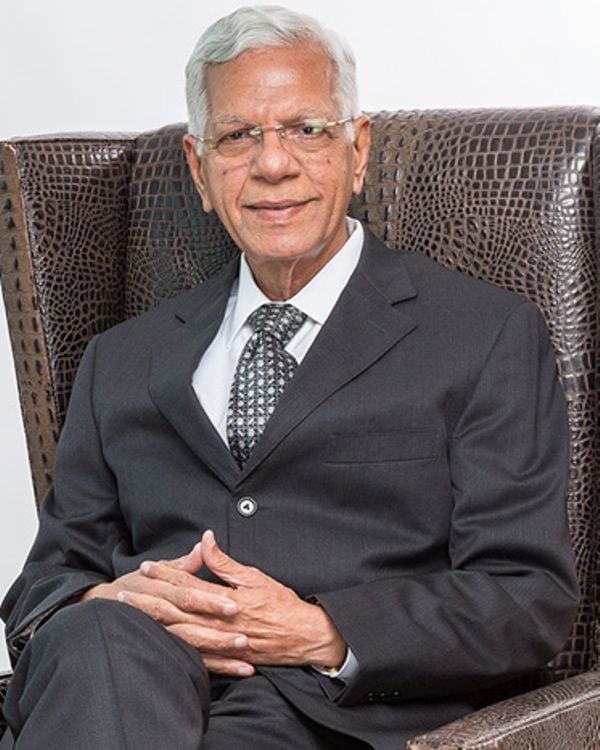 Celebrities
☑️Chandru Raheja
Chandru Lachmandas Raheja is an Indian businessman known for leading K. Raheja Corporation and for his long career in real estate, retail and hospitality.ト
Updated 2026-10-04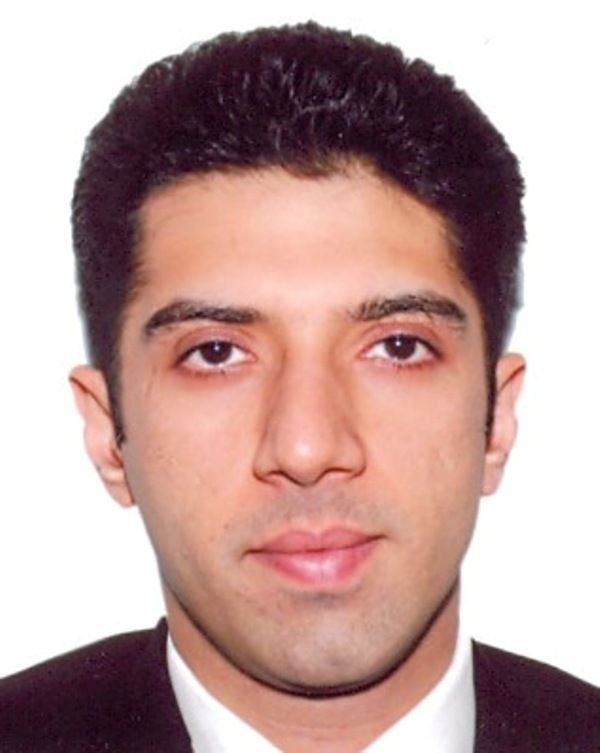 Celebrities
✅Neel Raheja
Neel Chandru Raheja is an Indian businessman who serves as Group President of K Raheja Corp. Born in Mumbai in 1974, he has guided the family's expansion—b
Updated 2026-10-04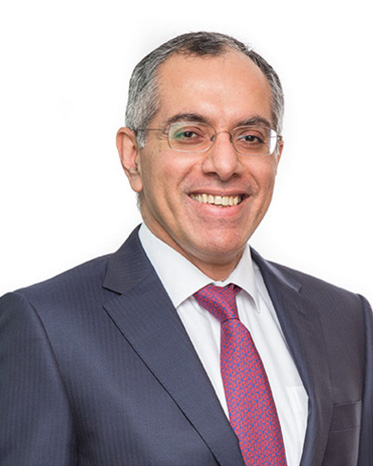 Celebrities
✅Ravi Raheja
Ravi Chandru Raheja is an Indian businessman known for his leadership role at K. Raheja Corporation. Born and raised in Mumbai, he holds degrees from the H
Updated 2026-10-04 Celebrities
6 Girlfriends Of Salman Khan
A look at six women who have been linked to Bollywood star Salman Khan over the years, from early romances to high-profile relationships that captured wide
Updated 2026-10-04