
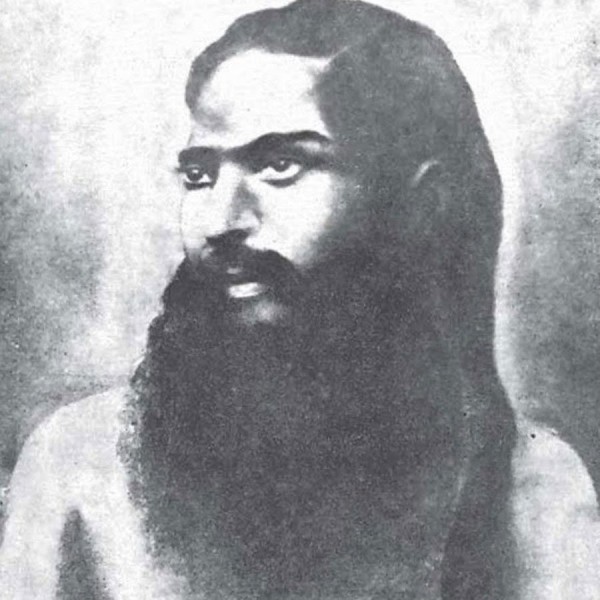
 Featured Biography
Image source: StarsUnfolded
Celebrities
Alluri Sitarama Raju Biography: Age, Career, Family and More
Quick Info
Date of birth4 July 1897
Age27 (at time of death)
BirthplacePandrangi, Madras Presidency, British India (present-day Andhra Pradesh)
ProfessionFreedom Fighter
NationalityBritish Indian
Marital statusUnmarried
FamilyFather - Venkata Rama Raju; Mother - Suryanarayanamma; Brother - Satyanarayana Raju; Sister - Sitamma Dantuluti
Alluri Sitarama Raju Biography
Alluri Sitarama Raju was a British Indian freedom fighter who led the Rampa (Manyam) Rebellion of 1922 in the Godavari and Visakhapatnam hill areas. Rever
Early life and backgroundAlluri Sitarama Raju was born on 4 July 1897 (reported in several sources) in the Madras Presidency of British India, in what is today part of Andhra Pradesh. His father was Venkata Rama Raju, a photographer, and his mother was Suryanarayanamma. After his father’s death while Alluri was still at school, he was raised by his uncle Rama Krishnam Raju, a tehsildar in Narsapur. He attended Taylor High School in Narsapur and later studied at Mrs A.V.N. College in Visakhapatnam, which he left before completing his degree.
During his youth he learned astrology, herbalism, palmistry and horse-riding, and developed an interest in acrobatics and circus feats. He also mastered several languages, including Telugu, Sanskrit, Hindi and English. At about eighteen he adopted the life of a sannyasi (ascetic). Various accounts place his birthplace in different villages of the region and some sources record 1898 as an alternative birth year, but the commonly cited date is 4 July 1897.
Career
Alluri Sitarama Raju became a prominent leader of tribal resistance against British colonial policies in the Godavari Agency. The passage of the Madras Forest Act and the imposition of restrictive land and labour policies had severely affected indigenous shifting cultivation (podu) and traditional local authority. These changes, together with the erosion of customary powers of hereditary tax collectors and village rulers, fuelled unrest in the hill tracts where Alluri worked among tribal communities.
Drawing on his rapport with local people and his charismatic presence, Alluri organized a guerrilla force that included tribal fighters and sympathetic hereditary tax collectors. He adopted elements of the wider non-cooperation movement of the early 1920s—discouraging alcohol, promoting khadi, and favoring local panchayat courts—while also leading armed raids aimed at seizing weapons from British police stations.
Beginning in 1922, Alluri led a campaign of raids across the East Godavari and Visakhapatnam regions. Large actions in August 1922 targeted police outposts at Chintapalle, Krishna Devi Peta, Rajavommangi and other locations to capture arms and ammunition. Contemporary reports described groups of rebels storming stations and in some instances killing British police officers. By late 1922 further attacks and a growing profile prompted the colonial authorities to raise specially trained units to counter his tactics.
Alluri’s style of warfare relied on local knowledge of the forests and support from villagers who provided shelter and intelligence. Despite British efforts to incentivize informants, his movement retained significant local backing. In 1924 he was captured in the forests of Chintapalle and was executed by shooting in Koyyuru village. He was 27 years old at the time of his death. His tomb is located in Krishnadevipeta village, Andhra Pradesh.
Public profile
Alluri Sitarama Raju became known to locals as Manyam Veerudu, the “hero of the jungle,” and his memory has been commemorated in multiple ways across Andhra Pradesh and beyond. The government of Andhra Pradesh observes his birthday as a state festival each year on 4 July. In 1986 India Post issued a postage stamp bearing his image. A cricket stadium in Eluru carries his name, and statues honoring him stand in public places including the precincts of the Indian Parliament and at Tank Bund Road in Hyderabad.
Cultural portrayals and writings about his life include a 1974 Telugu film titled Alluri Seetharama Raju and the modern depiction of his character in the S. S. Rajamouli film RRR, in which the actor Ram Charan portrays him. In 2019 an author published a Telugu-language biography of Alluri, reflecting continuing interest in his life and the rebellion he led.
Latest updates
Accounts of the Rampa Rebellion note the scale of the colonial response at the time and the resources expended to suppress the movement. Commemorations, cinematic portrayals and scholarly attention have continued to shape Alluri’s public legacy. Statues, stamps and an annual state observance form part of how his role in India’s struggle against colonial rule is remembered in the present day.
Editorial Review and Sources
This F4U profile is written from publicly available career and profile information, then reviewed for clarity before publication. If you spot an outdated detail about Alluri Sitarama Raju, send the page URL and a reliable correction source to f4udotin@gmail.com.
Reference context: StarsUnfoldedAccuracy
Request a Correction
Tell us what needs to be updated and share a reliable source so the editorial team can review it.
Ownership
Claim This Profile
If this profile is about you or your client, send your contact details and verification context.
Recent Work
1974 Telugu film based on his life featuring actor Krishna.
1974S. S. Rajamouli’s film depicting Alluri Sitarama Raju and Komaram Bheem; Alluri is portrayed by actor Ram Charan.
2021Career Highlights
- Leader of the Rampa Rebellion (Manyam Rebellion) in 1922
- Known as Manyam Veerudu (hero of the jungle)
- Led raids on multiple British police stations to seize arms
- Executed by British authorities in 1924
People Also Search For
Frequently Asked Questions
When was Alluri Sitarama Raju born?
Alluri Sitarama Raju was born on 4 July 1897.
What is Alluri Sitarama Raju known for?
Alluri Sitarama Raju is known for freedom Fighter.
What is Alluri Sitarama Raju’s marital status?
Alluri Sitarama Raju's marital status is listed as Unmarried.
Related Biographies
View all →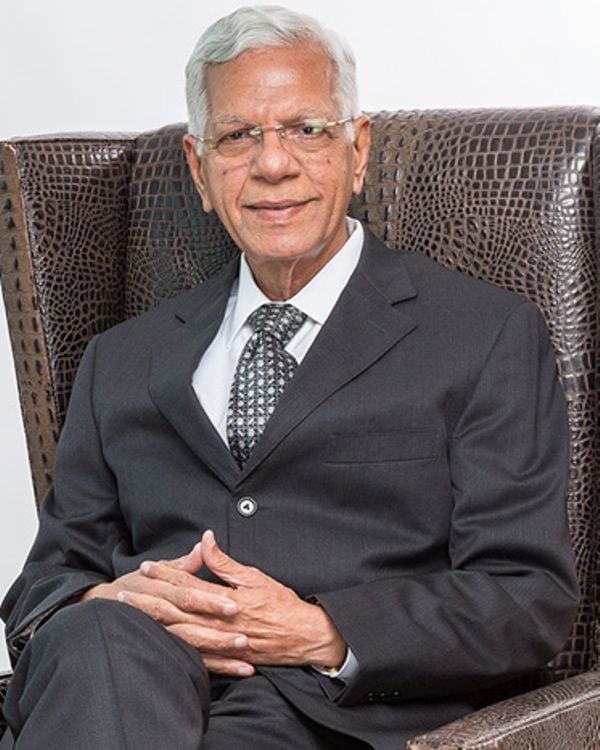 Celebrities
☑️Chandru Raheja
Chandru Lachmandas Raheja is an Indian businessman known for leading K. Raheja Corporation and for his long career in real estate, retail and hospitality.ト
Updated 2026-10-04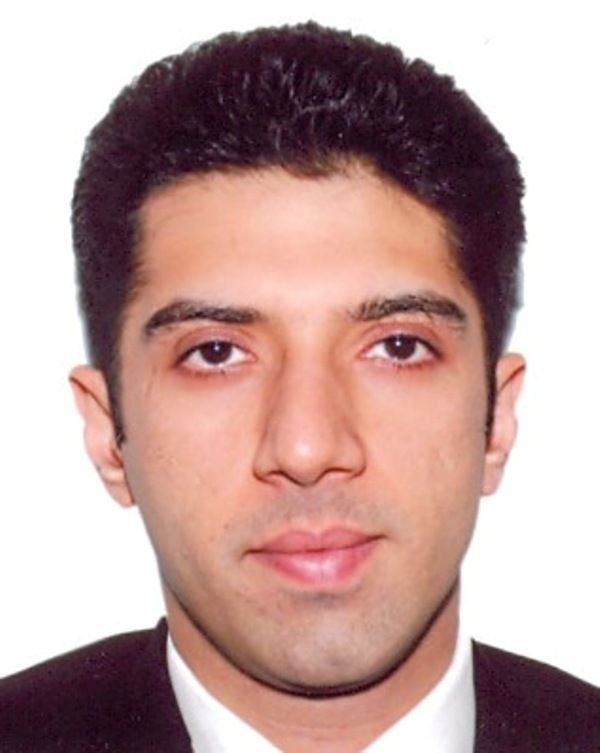 Celebrities
✅Neel Raheja
Neel Chandru Raheja is an Indian businessman who serves as Group President of K Raheja Corp. Born in Mumbai in 1974, he has guided the family's expansion—b
Updated 2026-10-04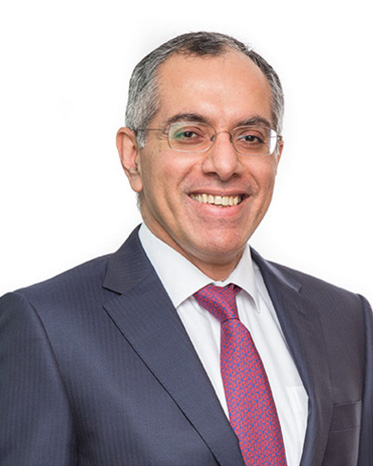 Celebrities
✅Ravi Raheja
Ravi Chandru Raheja is an Indian businessman known for his leadership role at K. Raheja Corporation. Born and raised in Mumbai, he holds degrees from the H
Updated 2026-10-04 Celebrities
6 Girlfriends Of Salman Khan
A look at six women who have been linked to Bollywood star Salman Khan over the years, from early romances to high-profile relationships that captured wide
Updated 2026-10-04