
 Featured Biography
Image source: StarsUnfolded
Celebrities
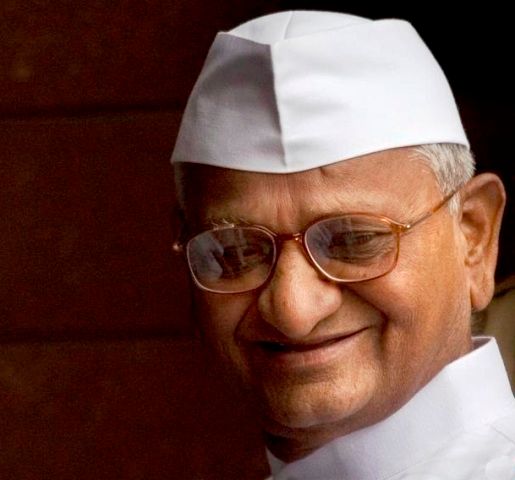
Anna Hazare Biography: Age, Career, Family and More
Quick Info
Date of birth15 June 1937
Age87 Years (as of 2024)
BirthplaceBhingar, Bombay Province, British India
ProfessionIndian social activist
NationalityIndian
Marital statusUnmarried
FamilyFather - Baburao Hazare; Mother - Laxmibai Hazare; Brothers - Maruti Hazare & 3 more; Sisters - 2
Anna Hazare Biography
Anna Hazare (born Kisan Baburao Hazare) is an Indian social activist known for rural development work in Ralegan Siddhi and national anti-corruption fasts.
Early life and backgroundKisan Baburao Hazare was born on 15 June 1937 in Bhingar, then part of Bombay Province in British India. He was the eldest son of Baburao and Laxmibai Hazare. Growing up in a family with limited means, his formal education ended after the seventh grade. As a young man he moved to Mumbai and supported himself by selling flowers at Dadar Railway Station and running two flower shops.
Hazare joined the Indian Army in 1963 and served as a truck driver. He experienced combat during the Indo-Pak conflict of 1965 and survived a bombing attack that killed his colleagues. After roughly 15 years of service he took voluntary retirement and returned to his native village of Ralegan Siddhi in Maharashtra.
Career
Back in Ralegan Siddhi, Hazare became known for grassroots work aimed at transforming a drought-prone and impoverished village into a model of community resilience. He led campaigns to close liquor dens, mobilized local youth, and made the village temple a center for social initiatives. In 1980 he helped establish a grain bank at the temple to provide a food safety net for farmers during droughts.
Hazare broadened his focus to public accountability and anti-corruption activism. In 1991 he launched Bhrashtachar Virodhi Jan Andolan, a local movement against corruption. His work on access to information in Maharashtra in the early 2000s contributed to a revised state Right to Information law that later influenced the national Right to Information Act of 2005.
He adopted fasting as a method of protest; his first recorded fast unto death in the excerpt took place on 9 August 2003, directed at corruption charges involving state ministers. Hazare again captured national attention on 20 August 2011 when he began an indefinite fast at Jantar Mantar in New Delhi to press for passage of a Lokpal and Lokayuktas bill. That 2011 campaign drew legal and civil-society figures to his side and inspired mass public support and symbolism among his followers.
Recognition and influence
The Government of India recognized Hazares public work with civilian honors: he received the Padma Shri in 1990 and the Padma Bhushan in 1992. His methods and the movements he led have left visible cultural traces: supporters adopted slogans and symbols associated with his name, and his life inspired films in Marathi and Hindi cinema.
Public profile
Hazare is commonly known by the Marathi honorific Anna, meaning elder brother. He is identified with Gandhian practice and has cited leaders such as Mohandas Karamchand Gandhi and Swami Vivekananda as influences. The excerpt describes him as unmarried and residing in the village of Ralegan Siddhi in Parner taluka of Ahmednagar district, Maharashtra. Personal habits noted in the excerpt include practicing yoga and reading.
The account in the excerpt also lists public criticisms and controversies that have been raised about him, including allegations of political alignment and critiques from various commentators. The excerpt records that an inquiry in Maharashtra found expenditures by his Hind Swaraj Trust on birthday celebrations; it also mentions accusations by named public figures in the media. These points reflect disputes that have been part of his public narrative.
Latest updates
The excerpt documents Hazares continuing place in public memory through films based on his life: the Marathi film Mala Anna Vahaychay and the Hindi film Anna, in which actors portray his role. It also notes that his 2011 fast and the mass movement around it remain a prominent chapter in his public career.
Overall, Anna Hazares biography as presented in the excerpt emphasizes a trajectory from modest origins and early military service to sustained village-level reform and national anti-corruption activism, marked by civil resistance techniques and formal recognition by the state.
Editorial Review and Sources
This F4U profile is written from publicly available career and profile information, then reviewed for clarity before publication. If you spot an outdated detail about Anna Hazare, send the page URL and a reliable correction source to f4udotin@gmail.com.
Reference context: StarsUnfoldedRecent Work
Began an indefinite fast at Jantar Mantar, Delhi, on 20 August 2011 to demand passage of the Lokpal and Lokayuktas bill.
2011Established a grain bank in Ralegan Siddhi in 1980 and led movements to transform the village into a model community.
1980Career Highlights
- Transformed Ralegan Siddhi into a model village through grassroots campaigns
- Established a grain bank to provide food security during drought
- Launched Bhrashtachar Virodhi Jan Andolan in 1991 to fight local corruption
- Contributed to Maharashtras revised RTI law that influenced the national RTI Act (2005)
- Led high-profile fasts, including a 2003 fast and a 2011 indefinite fast for a Lokpal bill
- Awarded Padma Shri (1990) and Padma Bhushan (1992)
Frequently Asked Questions
When was Anna Hazare born?
Anna Hazare was born on 15 June 1937.
What is Anna Hazare known for?
Anna Hazare is known for indian social activist.
What is Anna Hazare’s marital status?
Anna Hazare's marital status is listed as Unmarried.
Related Biographies
View all →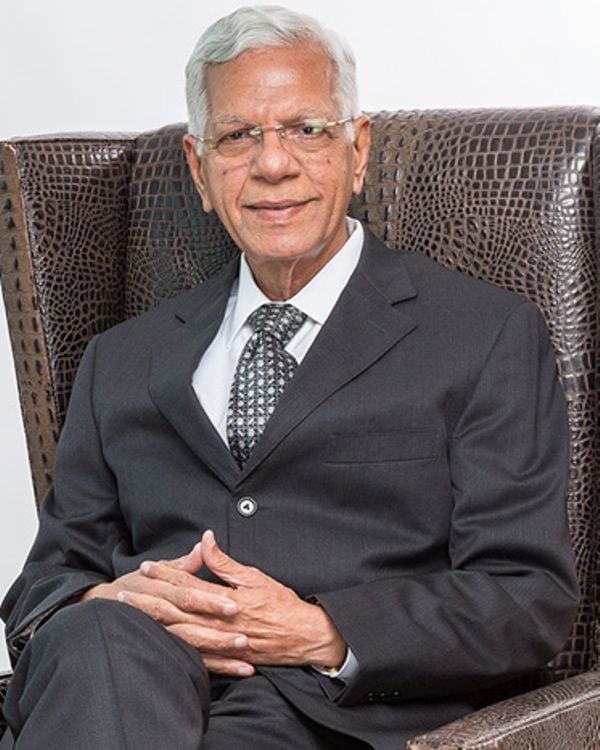 Celebrities
☑️Chandru Raheja
Chandru Lachmandas Raheja is an Indian businessman known for leading K. Raheja Corporation and for his long career in real estate, retail and hospitality.ト
Updated 2026-10-04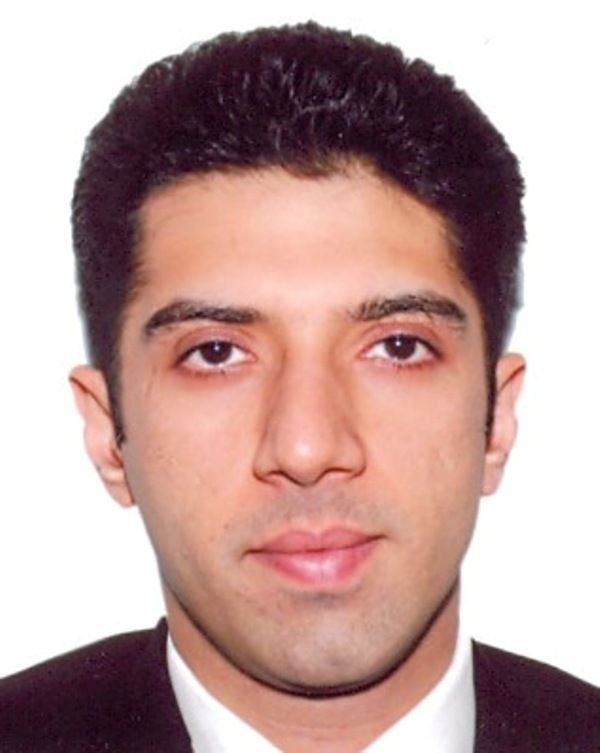 Celebrities
✅Neel Raheja
Neel Chandru Raheja is an Indian businessman who serves as Group President of K Raheja Corp. Born in Mumbai in 1974, he has guided the family's expansion—b
Updated 2026-10-04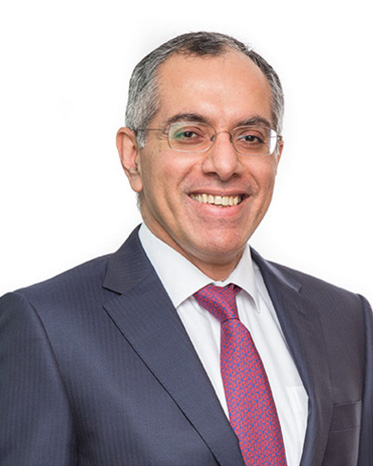 Celebrities
✅Ravi Raheja
Ravi Chandru Raheja is an Indian businessman known for his leadership role at K. Raheja Corporation. Born and raised in Mumbai, he holds degrees from the H
Updated 2026-10-04 Celebrities
6 Girlfriends Of Salman Khan
A look at six women who have been linked to Bollywood star Salman Khan over the years, from early romances to high-profile relationships that captured wide
Updated 2026-10-04