
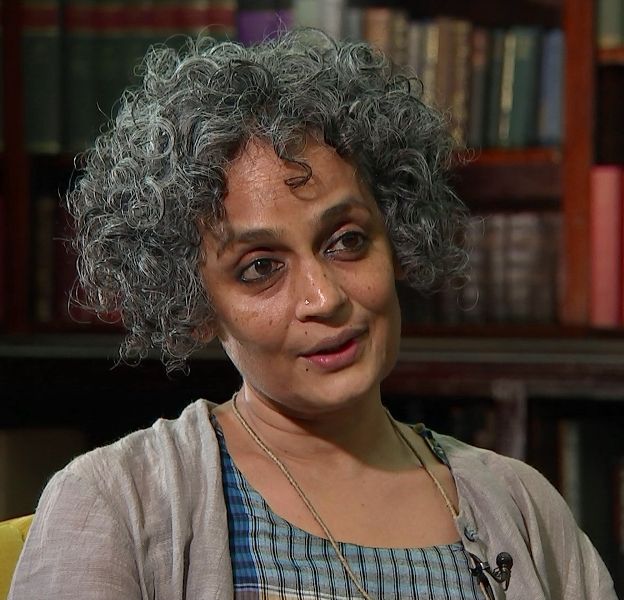
 Featured Biography
Image source: StarsUnfolded
Quick Info
Date of birth24 November 1961
Age63 Years
BirthplaceShillong, Assam (present-day Meghalaya), India
ProfessionAuthor; Novelist; Activist
NationalityIndian
Marital statusDivorced
FamilyMother - Mary Roy (d. 1 September 2022); Father - Rajib Michael Roy; Brother - Lalit Kumar Christopher Roy; Stepdaughters - Mithva Krishen and Pia Krishen
Arundhati Roy Biography
Arundhati Roy is an Indian author, novelist and activist best known for her Booker Prize–winning novel The God of Small Things. Her work spans fiction, non
Early life and backgroundArundhati Roy was born Suzanna Arundhati Roy on 24 November 1961 in Shillong, in what was then Assam (now Meghalaya). She spent much of her childhood in Kerala after her parents separated when she was very young. Her father, Rajib Michael Roy, worked as a tea plantation manager in Calcutta, and her mother, Mary Roy, was a women’s rights activist and influential educator in Kerala. Roy grew up alongside an older brother, Lalit Kumar Christopher Roy, and was shaped early on by her mother’s campaigning and school work.
Roy attended schools in Kerala and at the Lawrence School, Lovedale in the Nilgiris. She later studied architecture at the School of Planning and Architecture in Delhi, earning a professional degree. While in Delhi she began living with architect Gerard da Cunha for a time, before moving on to other phases of her personal and professional life.
Career
Roy trained as an architect and worked briefly at the National Institute of Urban Affairs. In the 1980s she became involved with film through her relationship with filmmaker Pradip Krishen; she appeared in his film Massey Sahib and later collaborated on television and film projects including a television serial and feature work. She also supported herself with various jobs outside the arts, including running fitness classes.
Her literary breakthrough came in 1997, when she won the Booker Prize for her first novel, The God of Small Things. The book, written in a semi-autobiographical mode, brought Roy international recognition and led her to become widely known as a novelist. After that success she published a second novel, The Ministry of Utmost Happiness, in June 2017.
Roy moved increasingly from fiction into political and social writing. She has published essays and books critiquing government policies, nuclear testing, and large development projects. Early nonfiction works include The End of Imagination (1998), written in response to India’s nuclear tests, and The Cost of Living (1999), which addresses the social and environmental impacts of hydroelectric dam construction. She has also written for television and appeared in documentary work, including DAM/AGE: A Film with Arundhati Roy (2002) and Franny Armstrong’s documentary Drowned Out (2002), which examined the Narmada dam controversy.
Activism and public positions
Parallel to her literary career, Roy has been a prominent activist on environmental, human rights and political issues. She participated in protests against the Narmada Dam project in 2002 alongside other campaigners, arguing that displaced communities had not received promised benefits. She has spoken and written critically about India’s political decisions and international conflicts, and has voiced strong opinions about U.S. foreign policy and the wars in Afghanistan.
Her public interventions have also included on-the-ground visits to communities in conflict, public letters to political leaders, and contributions to international commentary about war and state violence. In 2006 she joined others in signing a public statement in The Guardian concerning the Lebanon war, describing the fighting in strong terms.
Public profile
Roy’s writing has earned numerous awards and recognitions. Early in her career she received the National Film Award for Best Screenplay in 1989. Her Booker Prize win in 1997 brought lasting literary acclaim. She has received honors that reflect both her literary and public-voice roles, including the Lannan Foundation’s Cultural Freedom Award, the Sydney Peace Prize, the Norman Mailer Prize for Distinguished Writing, and a 2014 listing among Time magazine’s 100 most influential people. In 2006 she was awarded the Sahitya Akademi Award by the Government of India for a collection of essays, though she declined the prize. In 2024 she was awarded the PEN Pinter Prize.
Roy’s public statements and positions have sometimes sparked heated debate and controversy. Over the years she has been criticized for comments on films, political figures, and armed movements, and has faced legal and public scrutiny related to some of her remarks and actions. In 2019 she was arrested by Delhi Police in connection with a public appeal relating to the National Population Register; she was charged under several sections of the Indian Penal Code. In June 2024 the UN Human Rights Office asked the Indian government to drop cases against Roy and a collaborator over comments on Kashmir.
Personal life
Roy’s parents came from different religious and cultural backgrounds: her father was Bengali Hindu and her mother Syrian Christian. She has been married twice, including to filmmaker Pradip Krishen; she also had a long relationship with architect Gerard da Cunha. From her marriage to Krishen she has two stepdaughters, Mithva Krishen and Pia Krishen. She is officially listed as divorced.
Latest updates
In 2017 Roy published her second novel, The Ministry of Utmost Happiness. Her nonfiction output continues to address contemporary political and environmental issues. In 2024 she received the PEN Pinter Prize, adding to a long list of accolades that reflect both her literary achievements and her role as a public intellectual.
Roy’s public life remains a combination of literary production and outspoken activism. At 63 years old, she continues to be a prominent and often contentious voice in conversations about culture, development and human rights in India and beyond.
Editorial Review and Sources
This F4U profile is written from publicly available career and profile information, then reviewed for clarity before publication. If you spot an outdated detail about Arundhati Roy, send the page URL and a reliable correction source to f4udotin@gmail.com.
Reference context: StarsUnfoldedAccuracy
Request a Correction
Tell us what needs to be updated and share a reliable source so the editorial team can review it.
Ownership
Claim This Profile
If this profile is about you or your client, send your contact details and verification context.
Recent Work
Second novel published in June 2017.
2017Career Highlights
- 1989: National Film Award for Best Screenplay
- 1997: Man Booker Prize for The God of Small Things
- 2002: Lannan Foundation Cultural Freedom Award
- 2003: Special recognition as a Woman of Peace at the Global Exchange Human Rights Awards
- 2004: Sydney Peace Prize
- 2006: Sahitya Akademi Award (declined)
People Also Search For
Frequently Asked Questions
When was Arundhati Roy born?
Arundhati Roy was born on 24 November 1961.
What is Arundhati Roy known for?
Arundhati Roy is known for author; Novelist; Activist.
What is Arundhati Roy’s marital status?
Arundhati Roy's marital status is listed as Divorced.
Related Biographies
View all →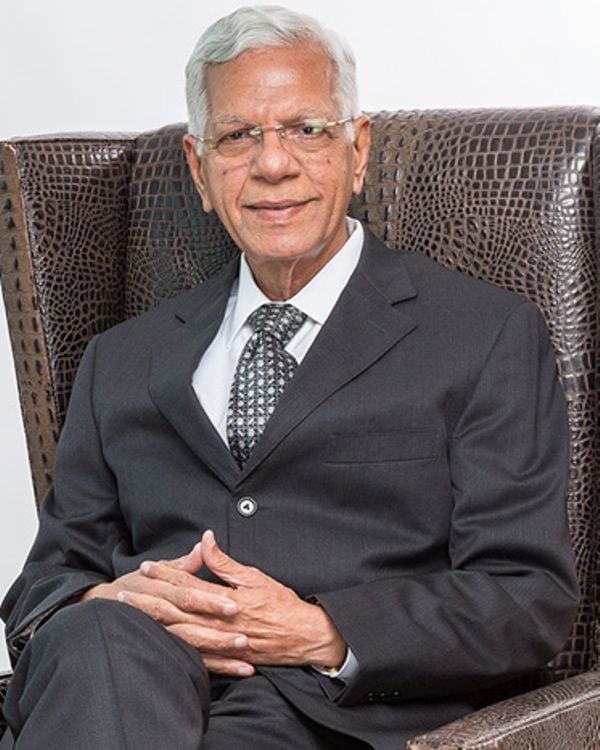 Celebrities
☑️Chandru Raheja
Chandru Lachmandas Raheja is an Indian businessman known for leading K. Raheja Corporation and for his long career in real estate, retail and hospitality.ト
Updated 2026-10-04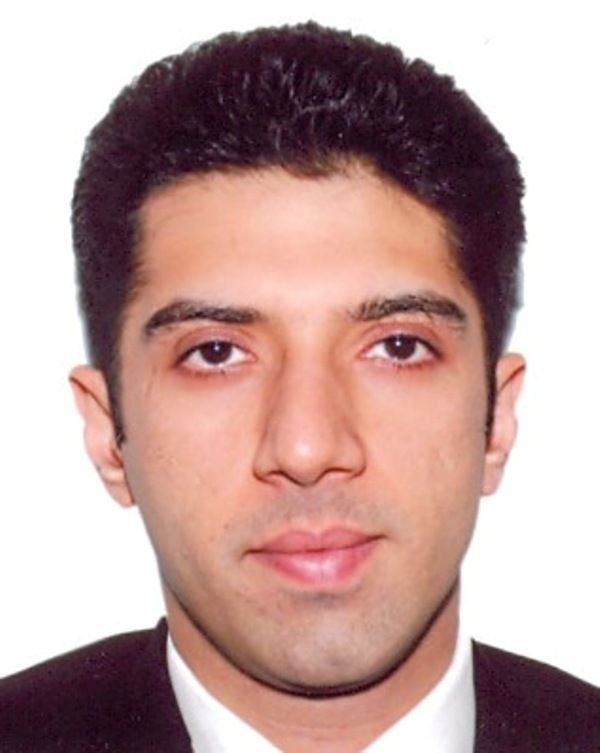 Celebrities
✅Neel Raheja
Neel Chandru Raheja is an Indian businessman who serves as Group President of K Raheja Corp. Born in Mumbai in 1974, he has guided the family's expansion—b
Updated 2026-10-04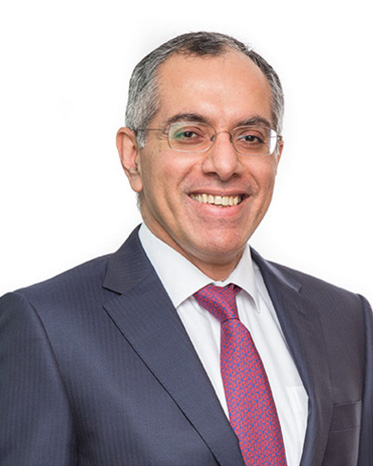 Celebrities
✅Ravi Raheja
Ravi Chandru Raheja is an Indian businessman known for his leadership role at K. Raheja Corporation. Born and raised in Mumbai, he holds degrees from the H
Updated 2026-10-04 Celebrities
6 Girlfriends Of Salman Khan
A look at six women who have been linked to Bollywood star Salman Khan over the years, from early romances to high-profile relationships that captured wide
Updated 2026-10-04