
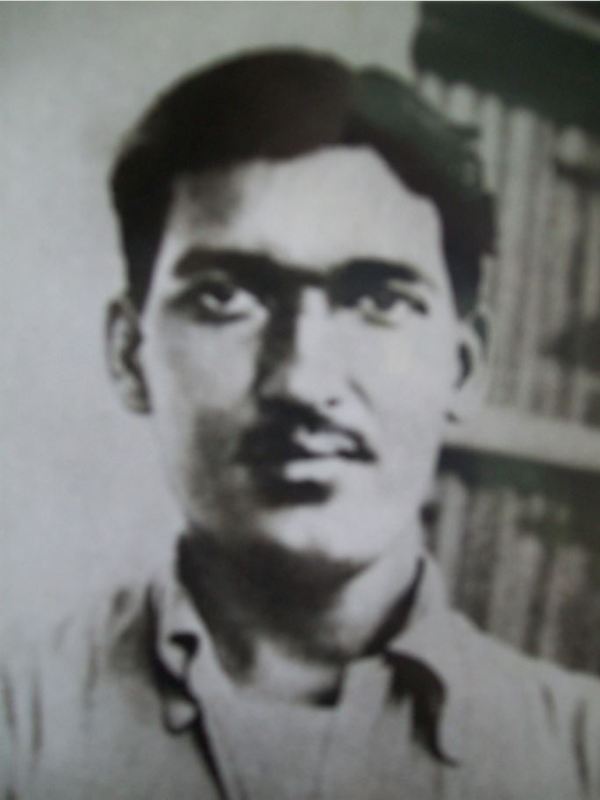
 Featured Biography
Image source: StarsUnfolded
Quick Info
Date of birth22 October 1900
Age126 years
BirthplaceShahjahanpur, United Provinces, British India (Now Uttar Pradesh)
ProfessionIndian Freedom Fighter
NationalityIndian
Marital statusUnmarried
FamilyFather - Shafiqullah Khan; Mother - Mazharunissa; Elder brothers include Chhota Ulla Khan and Riyasatullah Khan
Ashfaqulla Khan Biography
Ashfaqulla Khan was born on 22 October 1900 in Shahjahanpur, then part of the United Provinces in British India (present-day Uttar Pradesh). He came from a Muslim Pathan family of the Khyber tribe.
Early life and backgroundAshfaqulla Khan was born on 22 October 1900 in Shahjahanpur, then part of the United Provinces in British India (present-day Uttar Pradesh). He came from a Muslim Pathan family of the Khyber tribe. His father, Shafiqullah Khan, belonged to a military background and worked as a kotwal; his mother was Mazharunissa. He had at least three elder brothers, including Chhota Ulla Khan and Riyasatullah Khan.
Khan developed an early interest in poetry and kept diaries in which he expressed strong patriotic feelings. He wrote under pen names such as Warsi and Hasrat and composed verses in Urdu as well as some lines in Hindi and English. His writings critiqued British policies in India and argued against attempts to divide the country on communal lines.
Career
Ashfaqulla Khan became active in revolutionary circles after the suspension of Gandhi’s non-cooperation movement in 1922. He was influenced by the patriotic work of Pandit Ram Prasad Bismil, whose stories and ideals he had heard about from his elder brother Chhota Ulla Khan. Khan first met Bismil in 1920 and later exchanged poetry with him at a public meeting.
In 1924, Khan joined with like-minded revolutionaries to form the Hindustan Republican Association (HRA), an organization that aimed to secure India’s independence through armed struggle. The group carried out local dacoities to fund arms and other activities; Khan himself participated in such actions and used his brother’s licensed rifle on some occasions.
Khan is best known for his role in the Kakori train robbery of August 1925, a planned HRA operation intended to seize government funds for the revolutionary cause. Though he initially advised against attacking government property because of the likely heavy security response, he took part when the plan went ahead. On 9 August 1925 he was among the group that stopped the Kakori–Lucknow train, subdued the guard and driver, and forced open the government money box to remove cash intended to finance the movement.
After the Kakori incident many HRA members were arrested. When police came to arrest him at home, Khan escaped through sugarcane fields and went into hiding. He traveled to Kanpur via Nepal and later to Kashi, where he found work as an engineer in Daltonganj (Palamau district) for about ten months while remaining connected to revolutionary networks. He planned to seek further assistance for the movement abroad and moved to Delhi to pursue those contacts.
Public profile
Khan’s reputation rests on both his revolutionary activities and his writing. His poetry and diary entries articulated a clear opposition to British rule and warned against British strategies to divide Indian society. His friendship and collaboration with Hindustan Republican Association leaders, most notably Ram Prasad Bismil, crossed communal lines: Bismil, a Hindu leader, admitted Khan into the HRA despite initial hesitation from some quarters because their shared commitment to independence outweighed social divisions.
Khan’s physical appearance was noted in contemporary accounts as having black eyes and black hair. He remained unmarried.
Death and legacy
Ashfaqulla Khan was arrested by the British authorities in the aftermath of revolutionary activity related to the Kakori case and was hanged on 19 December 1927 in Faizabad, United Provinces (present-day Uttar Pradesh). He was 27 years old at the time of his death. His execution, along with those of fellow revolutionaries involved in the Kakori affair, marked him as a martyr in the struggle for India’s independence.
Latest updates
No later public activities are recorded beyond his arrest and execution in 1927. His writings and role in the Hindustan Republican Association continue to be cited in accounts of early twentieth-century revolutionary movements in India.
Editorial Review and Sources
This F4U profile is prepared from the public references listed below and reviewed for clarity. If you spot an outdated detail about Ashfaqulla Khan, send the page URL and a reliable correction source to f4udotin@gmail.com.
Accuracy
Request a Correction
Tell us what needs to be updated and share a reliable source so the editorial team can review it.
Ownership
Claim This Profile
If this profile is about you or your client, send your contact details and verification context.
Career Highlights
- Founding member of the Hindustan Republican Association (HRA)
- Participant and noted figure in the Kakori train robbery (9 August 1925)
- Wrote patriotic poetry and maintained diaries under pen names Warsi and Hasrat
Frequently Asked Questions
When was Ashfaqulla Khan born?
Ashfaqulla Khan was born on 22 October 1900.
What is Ashfaqulla Khan known for?
Ashfaqulla Khan is known for indian Freedom Fighter.
What is Ashfaqulla Khan’s marital status?
Ashfaqulla Khan's marital status is listed as Unmarried.
Related Biographies
View all →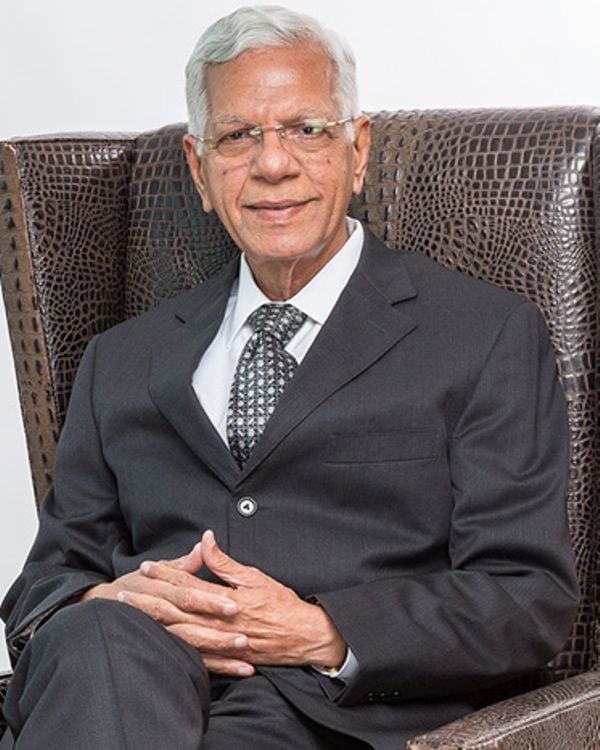 Celebrities
Chandru Raheja
Veteran Indian businessman Chandru Raheja is the chairman of K. Raheja Corporation and a noted real-estate and retail leader.
Updated 2026-10-23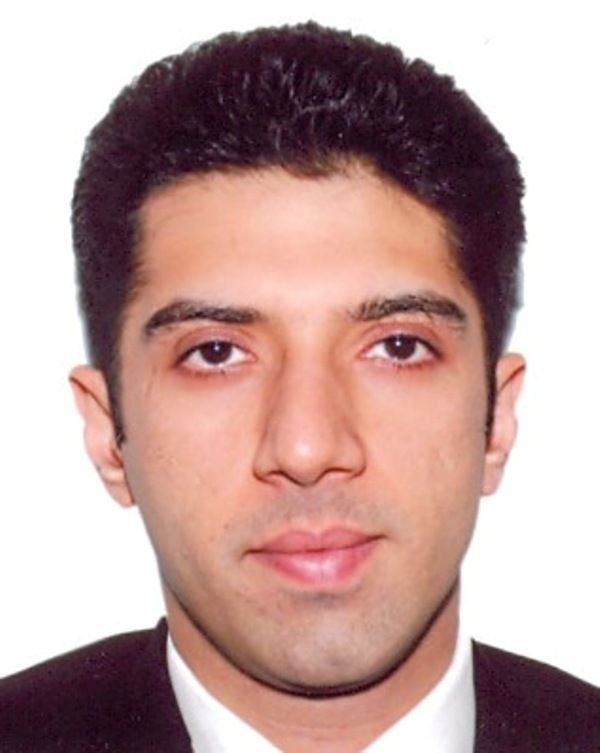 Celebrities
Neel Raheja
Neel Chandru Raheja was born on 27 June 1974 in Mumbai, Maharashtra. Raised in a family with deep roots in Indian real estate, he is the son of Chandru Raheja and Jyoti C. Raheja and a grandson of Lachmandas Raheja, the founder of the K. Raheja Group.
Updated 2026-10-04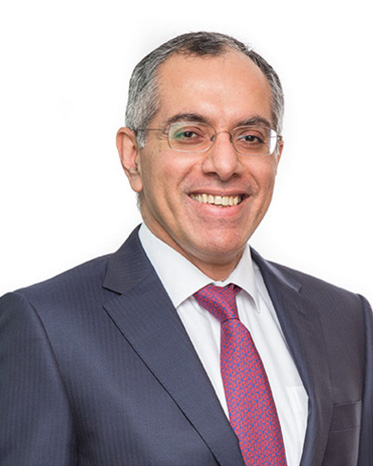 Celebrities
Ravi Raheja
Business leader Ravi Chandru Raheja is Group President at K. Raheja Corporation with a background in commerce and an MBA from London Business School.
Updated 2026-10-23 Celebrities
1eye43
Indian rapper 1eye43, born Vivek in Chandigarh, rose from hardship to build a following with viral 2024 tracks.
Updated 2026-10-23