
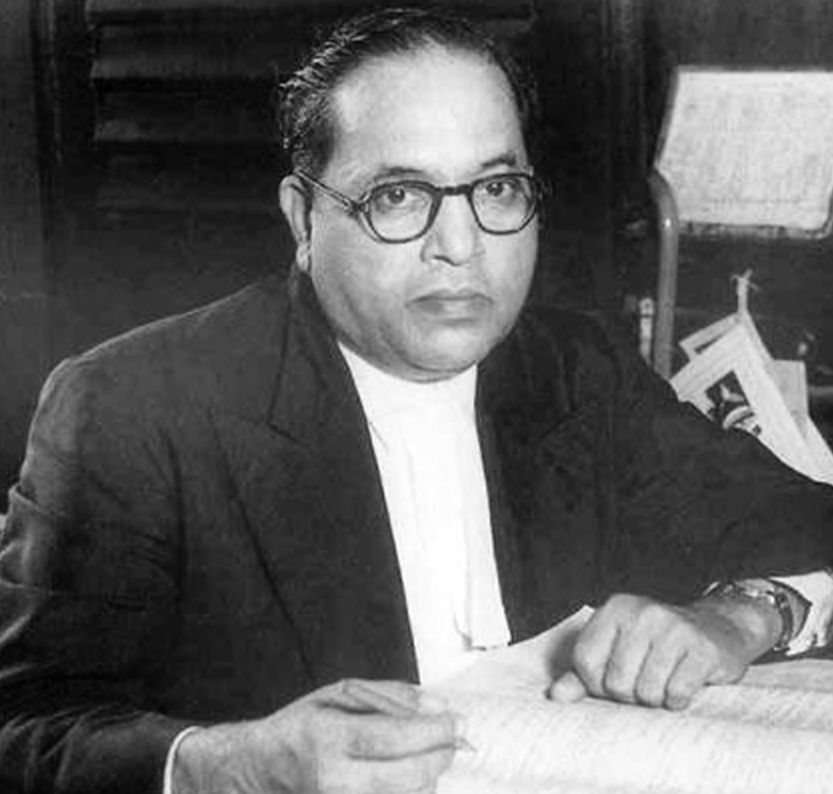
 Featured Biography
Image source: StarsUnfolded
Quick Info
Date of birth14 April 1891
Age65 (at time of death)
BirthplaceMhow, Central Provinces, British India
ProfessionJurist, Economist, Social Reformer, Politician
NationalityIndian
Marital statusMarried
SpouseRamabai Ambedkar (m.1906–1935), Savita Ambedkar (m.1948–1956)
FamilyParents: Ramji Maloji Sakpal and Bhimabai Sakpal; Children: Rajratna Ambedkar (deceased), Yashwant Ambedkar, Indu (deceased)
B. R. Ambedkar Biography
Bhimrao Ramji Ambedkar was born on 14 April 1891 in Mhow, then in the Central Provinces of British India (now in Madhya Pradesh). He was the youngest of a large Marathi family originating from Ambadawe in Ratnagiri district.
Early life and backgroundBhimrao Ramji Ambedkar was born on 14 April 1891 in Mhow, then in the Central Provinces of British India (now in Madhya Pradesh). He was the youngest of a large Marathi family originating from Ambadawe in Ratnagiri district. His father, Ramji Maloji Sakpal, served in the British Indian Army. During Ambedkar’s childhood the family moved several times, including a relocation to Satara and later to Mumbai, where he attended Elphinstone High School as the only untouchable student in that institution.
Despite early social humiliation because of his community’s low caste status, Ambedkar excelled academically. He completed his matriculation in 1907 and went on to study at Elphinstone College. He earned a degree in political science and economics from Bombay University in 1912, after which he accepted a post with the princely state of Baroda. That job opened the way to overseas study: a Baroda State scholarship enabled him to pursue postgraduate work at Columbia University in the United States, where he completed an MA in 1915.
Career
Ambedkar built a distinguished academic and legal career. After returning to India he held a post as Defence Secretary to the King of Baroda and later taught political economy at Sydenham College in Bombay. He pursued further studies in Europe, enrolling for the Bar course at Gray’s Inn and completing advanced degrees at the London School of Economics and the University of Bonn. His doctoral research culminated in a PhD in economics in 1927, and he later received honorary doctorates including an LL.D. from Columbia and a D.Litt. from Osmania University.
He entered public life as a campaigner for the rights of the untouchable communities, advocating access to water, temple entry and other civic rights through non‑violent means. In 1936 he founded the Independent Labour Party; that party contested the 1937 Central Legislative Assembly elections and won fourteen seats. He later set up the All India Scheduled Castes Federation. Ambedkar also served in governmental roles, including as Labour Minister on the Defence Advisory Committee and as a member of the Viceroy’s Executive Council.
Ambedkar’s most enduring public role came after Indian independence. On 29 August 1947 he was appointed India’s first Law Minister and named chairman of the committee charged with drafting the nation’s constitution. The Constitution of India, which came into effect on 26 January 1950, was completed under his leadership after nearly three years of work. The document enshrined principles of equality, religious freedom and affirmative provisions for disadvantaged groups, and Ambedkar is widely recognised for his central contribution to its framing.
Public profile
Ambedkar combined scholarship with social activism. He authored influential works criticizing caste discrimination, including a notable 1936 text that argued against untouchability. He took part in national debates such as the Second Round Table Conference in London (1932), which led to arrangements embodied in the Poona Pact on political representation. He was involved in the establishment of national institutions including the Reserve Bank of India and helped shape the Finance Commission.
Ambedkar also championed labour reforms and legislation to protect women workers, promoting measures on hours, maternity benefits and welfare. In 1950 he embraced Buddhism after participating in a convention of Buddhist scholars, and in October 1956 he presided over a large public conversion to Buddhism and published a book on the Buddha and his teachings. He founded the Buddhist Society of India (Bharatiya Bauddha Mahasabha) to promote his religious and social ideals.
Personal life and later years
Ambedkar married Ramabai in 1906; after her death he married Savita Ambedkar in 1948. He had children, including sons Yashwant and Rajratna and a daughter, Indu. He suffered from deteriorating health later in life, including diabetes and failing eyesight. From 1954 his health restricted him considerably, and he died peacefully in his sleep on 6 December 1956 in Delhi at the age of 65.
Legacy and honours
Ambedkar’s intellectual, legal and political labours secured him recognition across India. He is commonly remembered as the principal architect of the Indian Constitution and as a leading voice for social justice and the uplift of historically oppressed communities. Numerous awards, institutions and public places have been named in his honour; he was posthumously awarded India’s highest civilian honour, the Bharat Ratna.
Latest updates
The factual record notes Ambedkar’s lasting influence through the constitution he helped craft, the social reforms he advanced and the organisations he founded to further religious and social change. His books, public campaigns and legislative contributions continue to shape discussions about equality and rights in India.
Editorial Review and Sources
This F4U profile is prepared from the public references listed below and reviewed for clarity. If you spot an outdated detail about B. R. Ambedkar, send the page URL and a reliable correction source to f4udotin@gmail.com.
Accuracy
Request a Correction
Tell us what needs to be updated and share a reliable source so the editorial team can review it.
Ownership
Claim This Profile
If this profile is about you or your client, send your contact details and verification context.
Recent Work
A critique of caste and untouchability published in 1936.
1936A work on Buddhism published in 1956 accompanying mass conversions he led.
1956Career Highlights
- Chaired the committee that drafted the Constitution of India
- Founded the Independent Labour Party in 1936
- Served as India’s first Law Minister (1947)
- Led campaigns for Dalit rights and social reform
- Played roles in establishment of the Reserve Bank of India and the Finance Commission
People Also Search For
Frequently Asked Questions
When was B. R. Ambedkar born?
B. R. Ambedkar was born on 14 April 1891.
What is B. R. Ambedkar known for?
B. R. Ambedkar is known for jurist, Economist, Social Reformer, Politician.
What is B. R. Ambedkar’s marital status?
B. R. Ambedkar's marital status is listed as Married.
Who is B. R. Ambedkar married to?
B. R. Ambedkar is publicly listed as married to Ramabai Ambedkar (m.1906–1935), Savita Ambedkar (m.1948–1956).
Related Biographies
View all →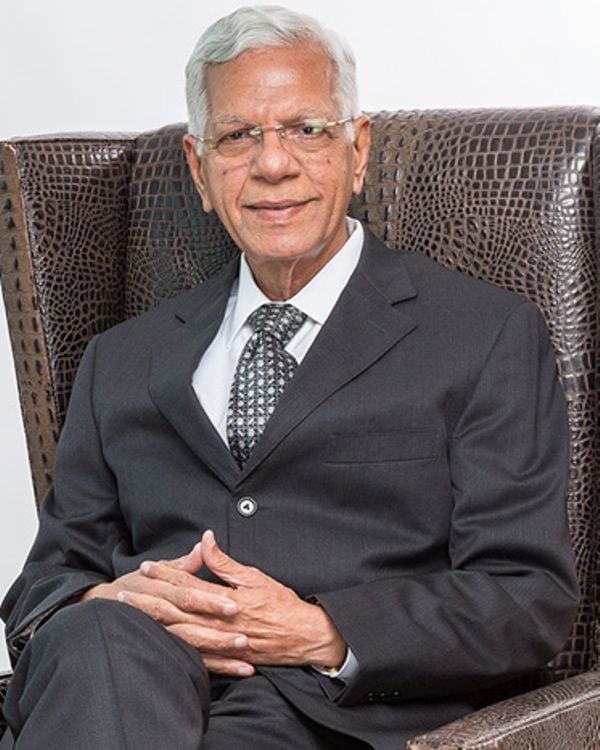 Celebrities
Chandru Raheja
Veteran Indian businessman Chandru Raheja is the chairman of K. Raheja Corporation and a noted real-estate and retail leader.
Updated 2026-10-23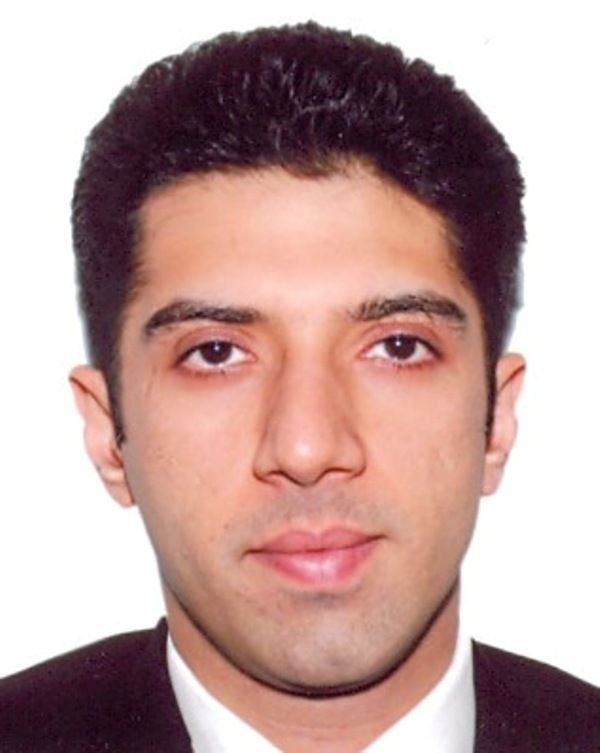 Celebrities
Neel Raheja
Neel Chandru Raheja was born on 27 June 1974 in Mumbai, Maharashtra. Raised in a family with deep roots in Indian real estate, he is the son of Chandru Raheja and Jyoti C. Raheja and a grandson of Lachmandas Raheja, the founder of the K. Raheja Group.
Updated 2026-10-04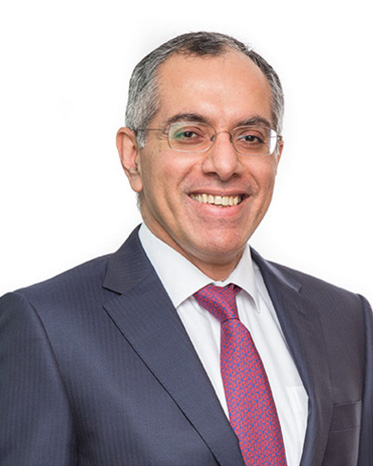 Celebrities
Ravi Raheja
Business leader Ravi Chandru Raheja is Group President at K. Raheja Corporation with a background in commerce and an MBA from London Business School.
Updated 2026-10-23 Celebrities
1eye43
Indian rapper 1eye43, born Vivek in Chandigarh, rose from hardship to build a following with viral 2024 tracks.
Updated 2026-10-23