
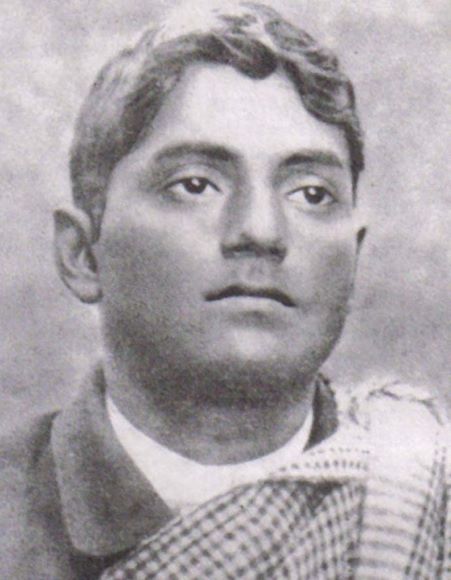
 Featured Biography
Image source: StarsUnfolded
Quick Info
Date of birth7 December 1879
Age35 Years (at death)
BirthplaceKushtia, Bengal Presidency, British India (now Bangladesh)
ProfessionIndian independence activist
NationalityBritish Indian
Marital statusMarried (at the time of death)
SpouseIndubala Banerjee
FamilyFather: Umeshchandra Mukherjee; Mother: Sharatshashi; Sister: Binodbala; Children: Atindra, Tejendra, Birendra, Ashalata
Bagha Jatin Biography
Jatindranath Mukherjee, better known as Bagha Jatin, was a Bengali revolutionary leader who played a central role in early 20th-century Indian anti‑colonal
Early life and backgroundJatindranath Mukherjee was born on 7 December 1879 in Kushtia in the Bengal Presidency of British India (now in Bangladesh). He lost his father at a young age and was raised at his maternal home in Kayagram alongside his elder sister Binodbala. His mother, Sharatshashi, encouraged literary and social awareness in the household and exposed him to the political and cultural currents of the time.
Jatin attended Krishnanagar Anglo‑vernacular School for his school education and went on to Calcutta Central College (now Khudiram Bose College). While at college he learned stenography and typewriting to improve his job prospects. Physically robust and noted for his strength, he performed in religious plays and took a keen interest in building patriotic feeling through theatre and song.
Career
Influenced strongly by Swami Vivekananda, Jatin embraced the idea that India’s spiritual progress required political independence. Vivekananda directed him to physical training, and Jatin practised wrestling and other exercises to prepare himself and a circle of fellow volunteers for service during famines, epidemics and floods. He participated in relief and man‑making activities alongside figures linked to the Ramakrishna movement and Sister Nivedita.
By the turn of the century Jatin became involved in revolutionary organising in Bengal. He is reported to have been a co‑founder of the Anushilan Samiti around 1900 and to have helped expand branches of the organisation throughout the province. He collaborated with contemporaries who sought a secret, conspiratorial approach to resist colonial rule, and he developed a reputation as a leader of regional cells that favoured trained volunteers prepared for armed struggle.
Jatin’s public profile grew through direct actions that reflected his willingness to confront British authority and defend Indian dignity. On one occasion during the Prince of Wales’ 1905 procession in Calcutta he intervened when European soldiers behaved offensively toward Indian passengers; he physically confronted those soldiers in full view of the crowd. He also engaged in paramilitary organisation, establishing decentralised, federated groups of autonomous regional cells and supporting training and recruitment efforts for young revolutionaries.
Beyond organising, Jatin maintained a pattern of relief work and public service. He led missions that brought medical help and volunteer assistance to people affected by natural calamities. British authorities monitored those activities with suspicion, believing some gatherings were used to recruit and train fighters for an armed uprising.
A defining personal episode contributed to his popular sobriquet. In 1906, after returning to his native village, Jatin tracked and fought a Royal Bengal tiger that had been menacing locals. He killed the animal in close combat but suffered severe wounds; a Calcutta surgeon who treated him publicized the episode and the Government of Bengal later presented Jatin with a commemorative shield. The incident cemented the epithet "Bagha," meaning "tiger," before his name.
Later work and detention
Jatin’s organising extended beyond Bengal; he was active in Darjeeling and elsewhere, where reports say he set up branches such as the Bandhab Samiti and engaged in local confrontations with European residents. He also helped establish facilities where volunteers studied bomb‑making and other revolutionary crafts, although he is noted to have been critical of indiscriminate or premature acts of terror.
By the late 1900s he had become a prominent figure in the revolutionary movement, trusted for both leadership and discipline. Authorities at the time described him as a committed ascetic devoted to the cause and capable of inspiring young recruits. His activities and the networks he helped build tied him to other leading revolutionaries of the period.
Public profile
Bagha Jatin’s life combined public acts of social service, physical bravery and clandestine organising against colonial rule. He married Indubala Banerjee in 1900 and the couple had four children: sons Atindra (1903–1906), Tejendra (1909–1989) and Birendra (1913–1991), and a daughter Ashalata (1907–1976). His family background included a father, Umeshchandra Mukherjee, and a mother, Sharatshashi, and his maternal uncle Basanta Kumar Chattopadhyay was a noted lawyer whose circle included prominent cultural figures of the era.
Jatin’s public image mixed reformist social work, devotional activity and militant nationalism. He attended religious gatherings and festivals and used those occasions to promote self‑discipline and recruitment for the revolutionary cause. Contemporaries remembered him for personal courage, a cheerful disposition and a determination that he summarised in the slogan "Amra morbo, jagat jagbe" — "We shall die to awaken the nation."
Latest updates
Jatindranath Mukherjee died on 10 September 1915 in Balasore, Bengal Presidency, British India. He was 35 years old at the time of his death and his passing was attributed to gunshot wounds. His legacy endures in accounts of the early revolutionary movement in Bengal and in the memory of his combination of public service, physical daring and revolutionary leadership.
Editorial Review and Sources
This F4U profile is written from publicly available career and profile information, then reviewed for clarity before publication. If you spot an outdated detail about Bagha Jatin, send the page URL and a reliable correction source to f4udotin@gmail.com.
Reference context: StarsUnfoldedAccuracy
Request a Correction
Tell us what needs to be updated and share a reliable source so the editorial team can review it.
Ownership
Claim This Profile
If this profile is about you or your client, send your contact details and verification context.
Recent Work
Co-founded and organised branches of the revolutionary Anushilan Samiti across Bengal and helped form decentralised regional cells for training and recruitment.
c. 1900–1908Organised medical and relief work during famines, floods and epidemics while using public gatherings to promote nationalist recruitment and training.
1900sCareer Highlights
- Co‑founder and leader within the Anushilan Samiti
- Organised decentralised regional revolutionary cells
- Led public relief missions and volunteer medical aid
- Earned the popular title 'Bagha' after killing a man‑eating tiger
People Also Search For
Frequently Asked Questions
When was Bagha Jatin born?
Bagha Jatin was born on 7 December 1879.
What is Bagha Jatin known for?
Bagha Jatin is known for indian independence activist.
What is Bagha Jatin’s marital status?
Bagha Jatin's marital status is listed as Married (at the time of death).
Who is Bagha Jatin married to?
Bagha Jatin is publicly listed as married to Indubala Banerjee.
Related Biographies
View all →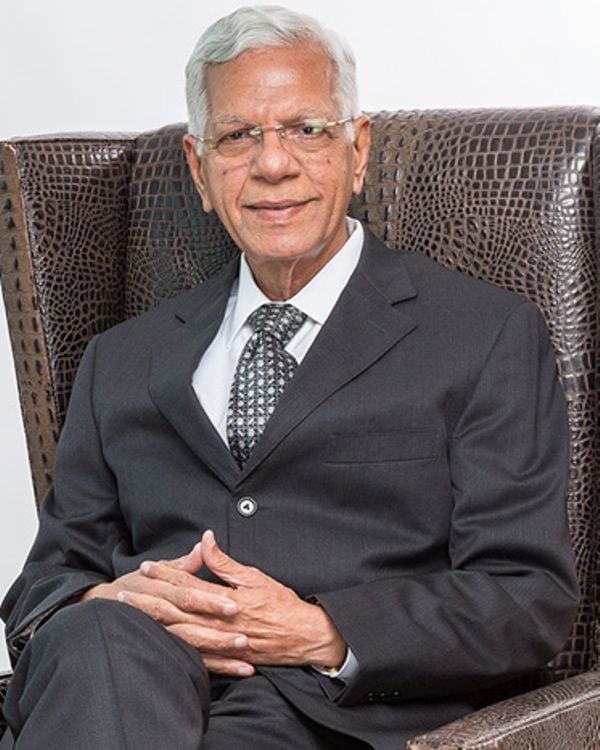 Celebrities
☑️Chandru Raheja
Chandru Lachmandas Raheja is an Indian businessman known for leading K. Raheja Corporation and for his long career in real estate, retail and hospitality.ト
Updated 2026-10-04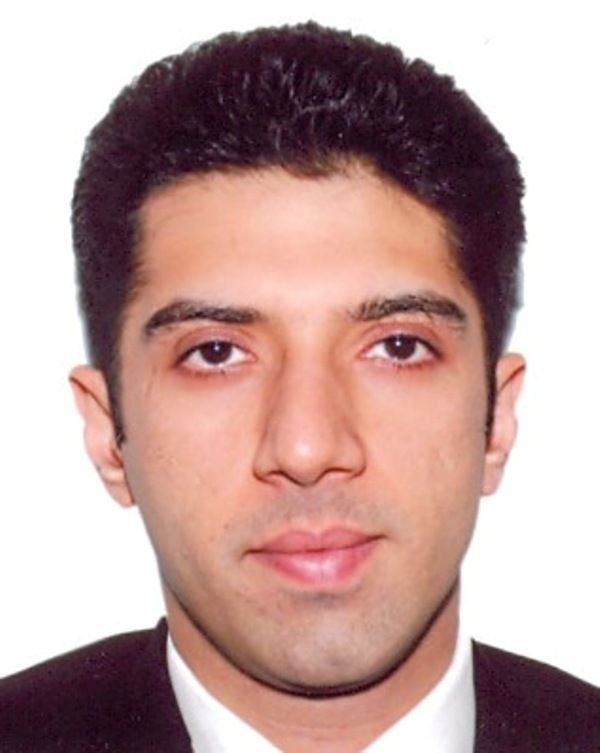 Celebrities
✅Neel Raheja
Neel Chandru Raheja is an Indian businessman who serves as Group President of K Raheja Corp. Born in Mumbai in 1974, he has guided the family's expansion—b
Updated 2026-10-04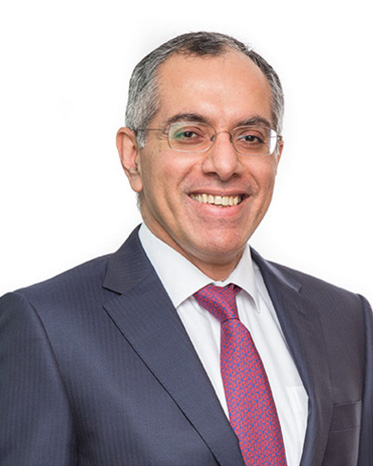 Celebrities
✅Ravi Raheja
Ravi Chandru Raheja is an Indian businessman known for his leadership role at K. Raheja Corporation. Born and raised in Mumbai, he holds degrees from the H
Updated 2026-10-04 Celebrities
6 Girlfriends Of Salman Khan
A look at six women who have been linked to Bollywood star Salman Khan over the years, from early romances to high-profile relationships that captured wide
Updated 2026-10-04