
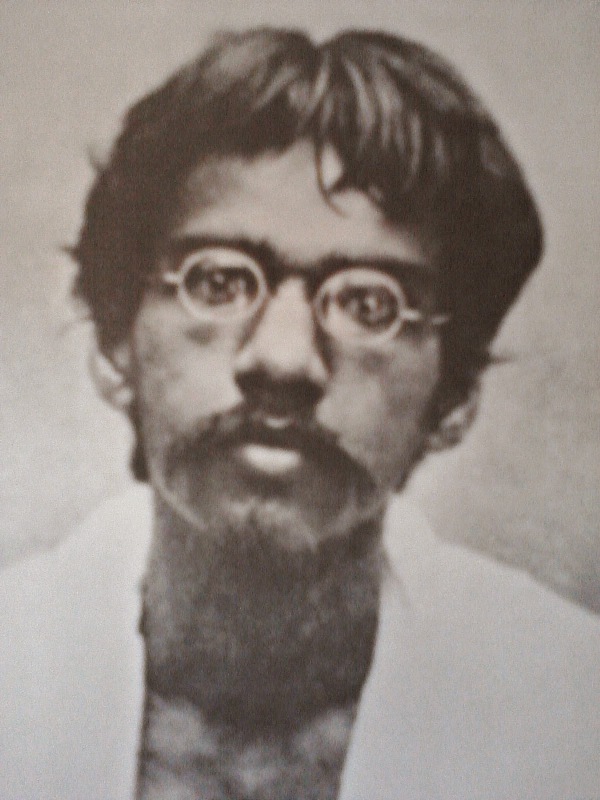
 Featured Biography
Image source: StarsUnfolded
Celebrities
Barindra Kumar Ghosh Biography: Age, Career, Family and More
Quick Info
Date of birth5 January 1880
Age79 (at time of death)
BirthplaceUpper Norwood, London, England
ProfessionRevolutionary and Journalist
NationalityIndian
Marital statusMarried
SpouseSailaja Dutta
FamilyParents: Dr. Krishnadhan Ghosh and Swarnalata; Siblings include Sri Aurobindo, Manmohan Ghosh, Benoy Bhushan, Sarojini
Barindra Kumar Ghosh Biography
Barindra Kumar Ghosh (5 January 1880 – 18 April 1959) was an Indian revolutionary and journalist best known for helping found the Bengali weekly Jugantar.A
Early life and backgroundBarindra Kumar Ghosh was born on 5 January 1880 in Upper Norwood, London. He was the youngest son in a large Bengali family: his parents were Dr. Krishnadhan Ghosh, a physician and district surgeon, and Swarnalata. The family traced roots to Konnagar in Hooghly District, West Bengal, and counted the social reformer Rajnarayan Basu among close maternal relatives.
Soon after his birth the family situation was difficult. His mother suffered from mental illness and returned to India with Barindra and his sister Sarojini. Barindra spent much of his childhood cared for by relatives and household guardians, a period he later described as unhappy. His father resumed service in India and the children were sometimes placed in the care of others. Barindra received early schooling in Deoghar and in 1901 passed the entrance examination for Patna College.
Three of Barindra’s brothers were prominent in public life. Sri Aurobindo, an elder brother, was a noted intellectual and nationalist; Manmohan Ghosh taught English and wrote poetry; another brother was Benoy Bhushan. These familial ties and the visits of his elder brothers influenced Barindra’s own political and literary development.
Career
After college-level study in Patna, where he once ran a small tea stall to support himself, Barindra moved between Kolkata, Baroda and Bombay. He spent time reading widely, composing poetry, playing the esraj, and developing interests in gardening and hunting. During his time in Baroda he received formal military training.
By 1902 he had returned to Kolkata and immersed himself in revolutionary activity. Working with leaders such as Jatindranath Banerjee, he helped organise networks of young activists. In 1906 he launched Jugantar, a Bengali weekly that evolved into a revolutionary organisation allied with members of the Anushilan Samiti. Under his and his colleagues’ guidance, an armed wing developed in Maniktala to manufacture bombs and obtain weapons for anti-colonial actions.
In the wake of intensified police investigations following an assassination attempt in 1908, Barindra and several associates were arrested and tried in the Alipore Bomb Case. He was originally sentenced to death; the sentence was later commuted to life imprisonment. In 1909 he was sent to the Cellular Jail in the Andamans, where he served a long term and endured harsh treatment. He remained there until a 1920 government amnesty allowed his return to Kolkata.
On his release, Barindra turned to journalism and writing. He published a memoir detailing his Andaman years, The Tale of My Exile — Twelve Years in Andamans, which recounts daily life, deprivation and the mental strain of incarceration. He also wrote fiction and biographical works, with titles including Dvipantarer Banshi, Pather Ingit, Amar Atmakatha, Agnijug, Rishi Rajnarayan, and a work on Sri Aurobindo. In 1933 he started an English weekly called The Dawn of India and worked for The Statesman. In 1950 he became editor of the Bengali daily Dainik Basumati, published by Basumati Corporation Limited.
Public profile
Barindra’s public life combined political activism, literary work and later spiritual pursuits. After a period in Kolkata journalism he lived for some years in Pondicherry at his elder brother Sri Aurobindo’s ashram, where he engaged in sadhana and spiritual practice. He also ran an ashram in Kolkata before returning to journalism in the 1930s.
His written accounts of imprisonment are candid about physical hardships and the psychological toll endured by prisoners. He described the monotony of prison food and the isolation that drove some detainees toward despair. His memoir remains a primary record of those experiences.
Personal life
Barindra married Sailaja Dutta. His family included several notable siblings: Sri Aurobindo, Manmohan Ghosh, Benoy Bhushan and sister Sarojini. He identified with Indian nationality and is recorded as having black eyes and black hair.
Death
Barindra Kumar Ghosh died on 18 April 1959 in Kolkata at the age of 79. His life spanned roles as a revolutionary organiser, prisoner, journalist and author.
Latest updates
The principal later-career milestones recorded are his editorship of Dainik Basumati in 1950, his earlier founding of The Dawn of India in 1933, and the publication of his memoir recounting his Andaman imprisonment. These works and roles remain central to accounts of his public life.
Editorial Review and Sources
This F4U profile is written from publicly available career and profile information, then reviewed for clarity before publication. If you spot an outdated detail about Barindra Kumar Ghosh, send the page URL and a reliable correction source to f4udotin@gmail.com.
Reference context: StarsUnfoldedAccuracy
Request a Correction
Tell us what needs to be updated and share a reliable source so the editorial team can review it.
Ownership
Claim This Profile
If this profile is about you or your client, send your contact details and verification context.
Recent Work
Memoir recounting his imprisonment and experiences at the Cellular Jail in the Andamans.
1920English weekly started by Barindra Kumar Ghosh.
1933Appointed editor of the Bengali daily published by Basumati Corporation Limited.
1950Career Highlights
- Founding member of the Bengali weekly Jugantar which developed into a revolutionary organisation
- Arrested and tried in the Alipore Bomb Case; sentenced to life imprisonment and deported to the Cellular Jail in the Andamans
- Authored The Tale of My Exile and multiple other books; worked in journalism including The Statesman and founding The Dawn of India
Frequently Asked Questions
When was Barindra Kumar Ghosh born?
Barindra Kumar Ghosh was born on 5 January 1880.
What is Barindra Kumar Ghosh known for?
Barindra Kumar Ghosh is known for revolutionary and Journalist.
What is Barindra Kumar Ghosh’s marital status?
Barindra Kumar Ghosh's marital status is listed as Married.
Who is Barindra Kumar Ghosh married to?
Barindra Kumar Ghosh is publicly listed as married to Sailaja Dutta.
Related Biographies
View all → Celebrities
☑️Chandru Raheja
Chandru Lachmandas Raheja is an Indian businessman known for leading K. Raheja Corporation and for his long career in real estate, retail and hospitality.ト
Updated 2026-10-04 Celebrities
✅Neel Raheja
Neel Chandru Raheja is an Indian businessman who serves as Group President of K Raheja Corp. Born in Mumbai in 1974, he has guided the family's expansion—b
Updated 2026-10-04 Celebrities
✅Ravi Raheja
Ravi Chandru Raheja is an Indian businessman known for his leadership role at K. Raheja Corporation. Born and raised in Mumbai, he holds degrees from the H
Updated 2026-10-04 Celebrities
6 Girlfriends Of Salman Khan
A look at six women who have been linked to Bollywood star Salman Khan over the years, from early romances to high-profile relationships that captured wide
Updated 2026-10-04