
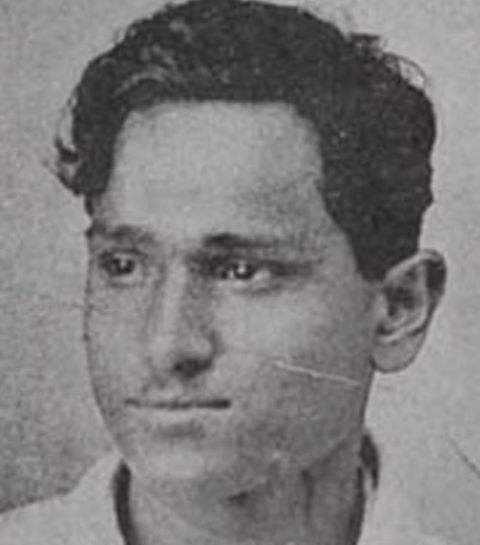
 Featured Biography
Image source: StarsUnfolded
Quick Info
Date of birth18 November 1910
Age54 Years (at time of death)
BirthplaceKhandaghosh, Bengal Presidency, British India (present-day West Bengal, India)
ProfessionRevolutionary
NationalityBritish Indian (1910–1947); Indian (1947–1965)
Marital statusMarried (at time of death)
SpouseAnjali Dutt
FamilyDaughter - Bharati Bagachi; Father - Goshtha Bihari Dutt; Mother - Kamini Devi; had a sister
Batukeshwar Dutt Biography
Batukeshwar Dutt was a revolutionary of the Hindustan Socialist Republican Association best known for his role alongside Bhagat Singh in the 1929 Central (
Early life and backgroundBatukeshwar Dutt was born on 18 November 1910 in Khandaghosh, then part of the Bengal Presidency under British India (present-day West Bengal). He spent part of his youth in Kanpur, where he attended Theosophical High School and Prithvinath Chak High School. A formative incident in Kanpur—witnessing the brutal beating of an Indian child by British personnel—helped spur his commitment to anti-colonial activism.
As a young man he came into contact with activists and future comrades while studying in Kanpur. These early associations drew him into revolutionary networks and eventually into the Hindustan Republican Association, which later became the Hindustan Socialist Republican Association (HSRA).
Career
Dutt was an active member of the HSRA and is best known for taking part in the April 8, 1929 action in the Central Legislative Assembly in New Delhi. On that day he and Bhagat Singh released non-lethal bombs from the visitors’ gallery and distributed HSRA leaflets to protest the Public Safety Bill and the Trade Disputes Bill, legislation aimed at curbing labour and political activity. The two were arrested immediately after the incident.
Following his arrest, Dutt was convicted and received life transportation. He was sent to the Cellular Jail in the Andamans, where he became deeply engaged in political study and organization. While imprisoned he helped form a Marxist study circle called Communist Consolidation and contributed to a handwritten jail magazine titled The Call. During his incarceration he also undertook two hunger strikes demanding better treatment and rights for political prisoners; one of these strikes lasted more than 114 days.
Health deteriorated during his time in the Andamans, and he was later moved between Hazaribagh and Patna jails. Dutt was released on 8 September 1938, reportedly after interventions by national leaders; his release was conditional on his abstaining from political activity and joining no political party. Despite those conditions, his health recovered enough that he resumed involvement with revolutionary and leftist organizing. In the late 1930s he participated in efforts that sought to bring together former HSRA members and communist groups, and he served as president of a 1939 conference that united various revolutionary and communist participants.
In 1942 Dutt took part in the Quit India Movement and was detained again; he was released after India achieved independence. After 1947 he chose not to pursue an active role in mainstream politics. He held a few short-term roles and jobs to support himself, including work as a cigarette company agent and a period working in transport; he is also reported to have served briefly as a member of the Bihar legislative council.
Public profile
Dutt was known by several nicknames, including B. K. Dutta, Battu, and Mohan. His personal details record black eyes and salt-and-pepper hair later in life. He married Anjali Dutt in 1937 and had a daughter named Bharati Bagachi. His parents were Goshtha Bihari Dutt and Kamini Devi, and he had at least one sister.
Prison experiences deepened Dutt’s commitment to socialist ideas; fellow revolutionaries later described him as having become a committed socialist through study and political discussion while incarcerated. He continued to emphasize the social vision behind revolutionary activity, arguing that the public often focused only on the violent act rather than the broader aims of the movement.
Late life and death
In his later years Dutt’s health declined. He was treated at AIIMS in New Delhi, where prominent national leaders visited him during his illness. He died on 20 July 1965 at the age of 54; the cause of death is recorded as cancer. His final wish was to be cremated at Hussainiwala in Punjab, the cremation site of his companions Bhagat Singh, Sukhdev, and Rajguru.
Legacy and remembrance
Batukeshwar Dutt is remembered for his role in the HSRA and for his lifelong commitment to revolutionary and socialist politics. His prison writings, organizational work among political prisoners, and participation in the Quit India Movement are part of his legacy. In July 2019 a West Bengal railway station—Bardhaman Railway Station—was renamed in his honour by the Government of India.
Latest updates
The renaming of Bardhaman Railway Station in July 2019 commemorated Dutt’s contribution to the independence movement. Public recollections of his life emphasize both the dramatic 1929 Assembly action with Bhagat Singh and his sustained organizing and intellectual engagement while imprisoned.
Editorial Review and Sources
This F4U profile is written from publicly available career and profile information, then reviewed for clarity before publication. If you spot an outdated detail about Batukeshwar Dutt, send the page URL and a reliable correction source to f4udotin@gmail.com.
Reference context: StarsUnfoldedAccuracy
Request a Correction
Tell us what needs to be updated and share a reliable source so the editorial team can review it.
Ownership
Claim This Profile
If this profile is about you or your client, send your contact details and verification context.
Career Highlights
- Member of Hindustan Socialist Republican Association (HSRA)
- Participant with Bhagat Singh in the 8 April 1929 Central Legislative Assembly bombing and leaflet protest
- Convicted and sentenced to life transportation; imprisoned at the Cellular Jail, Andaman
- Formed Communist Consolidation study circle and contributed to jail magazine The Call
- Led and participated in post-prison conferences uniting revolutionary and communist groups
- Detained during the Quit India Movement (1942)
Frequently Asked Questions
When was Batukeshwar Dutt born?
Batukeshwar Dutt was born on 18 November 1910.
What is Batukeshwar Dutt known for?
Batukeshwar Dutt is known for revolutionary.
What is Batukeshwar Dutt’s marital status?
Batukeshwar Dutt's marital status is listed as Married (at time of death).
Who is Batukeshwar Dutt married to?
Batukeshwar Dutt is publicly listed as married to Anjali Dutt.
Related Biographies
View all →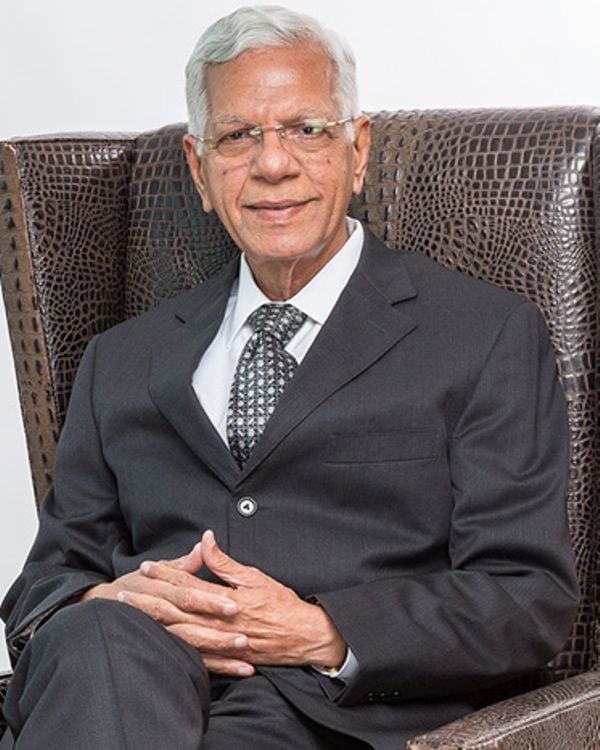 Celebrities
☑️Chandru Raheja
Chandru Lachmandas Raheja is an Indian businessman known for leading K. Raheja Corporation and for his long career in real estate, retail and hospitality.ト
Updated 2026-10-04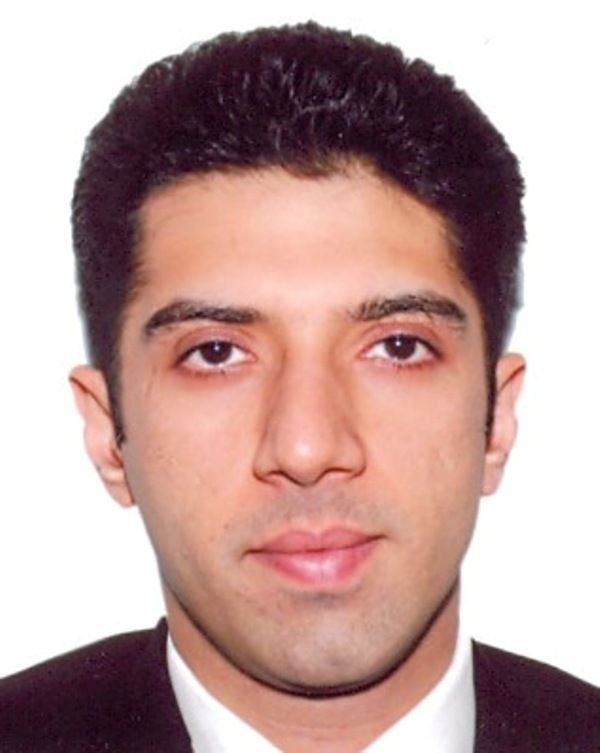 Celebrities
✅Neel Raheja
Neel Chandru Raheja is an Indian businessman who serves as Group President of K Raheja Corp. Born in Mumbai in 1974, he has guided the family's expansion—b
Updated 2026-10-04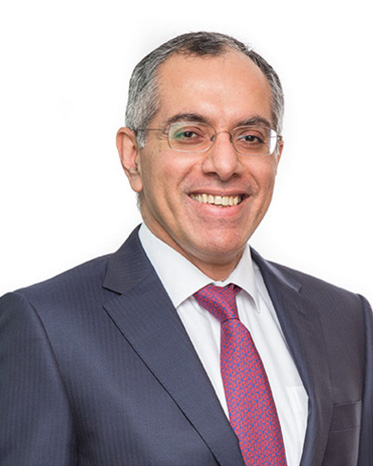 Celebrities
✅Ravi Raheja
Ravi Chandru Raheja is an Indian businessman known for his leadership role at K. Raheja Corporation. Born and raised in Mumbai, he holds degrees from the H
Updated 2026-10-04 Celebrities
6 Girlfriends Of Salman Khan
A look at six women who have been linked to Bollywood star Salman Khan over the years, from early romances to high-profile relationships that captured wide
Updated 2026-10-04