
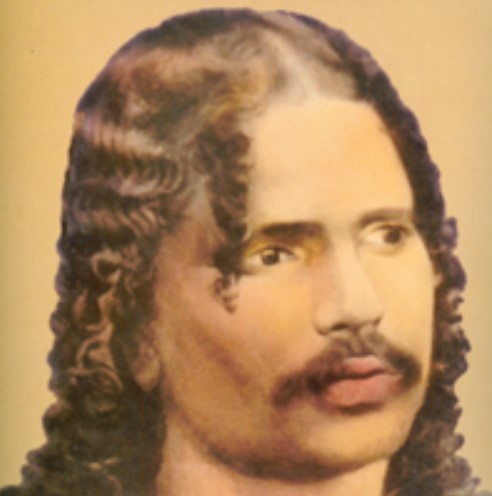
 Featured Biography
Image source: StarsUnfolded
Celebrities
Bharatendu Harishchandra Biography: Age, Career, Family and More
Quick Info
Date of birth9 September 1850
Age34 Years (at death)
BirthplaceBenares, Benares State, British India
ProfessionNovelist, Poet, and Playwright
NationalityBritish Indian
Marital statusMarried
FamilyFather - Gopal Chandra; Mother - Parvati Devi; Brother - Gokulchandra; Granddaughter - Pratibha Agarwal
Bharatendu Harishchandra Biography
Bharatendu Harishchandra (1850–1885) was a pioneering Hindi poet, playwright, and editor who is widely regarded as a founding figure of modern Hindi prose,
Early life and backgroundBharatendu Harishchandra was born on 9 September 1850 in Benares (then Benares State, British India). He came from a Vaishya family with long-standing ties to the region; his forebears served as landlords and financiers and maintained connections with the Maharaja of Benares. His father, Gopal Chandra, was himself a poet and dramatist who died in 1861, and his mother, Parvati Devi, died earlier. After the death of his parents, Bharatendu’s upbringing was overseen by a stepmother.
From a young age he showed literary promise, explaining verses in Brajbhasha by the age of five. His early schooling included study of Persian, Urdu, and Sanskrit; he later learned English at The Queen’s College, Varanasi. One of his teachers, Raja Shivprasad, played an important role in his education and remained a rival in later life over language and patronage.
Career
Bharatendu made his first forays into public performance and translation in the late 1860s. In 1868 he acted as Lakshmana on stage and published a Hindi translation of the Bengali drama Vidyasundar. That year he also established the literary journal Kavivachansudha, beginning a pattern of editorial work that would continue throughout his life.
Over the following decade he produced a large body of plays, poetry, essays, translations and editorial projects. His plays include Vaidika Himsa Na Bhavati (1873), Bharat Durdasha (1875), Satya Harishchandra (1876), Niladevi (1881) and Andher Nagari (1881). His poetic output comprises collections such as Prem Malika (1872), Holi (1874), Prem Madhuri (1875), Prem Tarang (1877), Raga Sangrah (1880), Varsha Vinod (1880), Madhumukul (1881) and many others issued through the 1870s and early 1880s. He also compiled essays and editions, notably Bharatendu Granthavali (1885).
Bharatendu translated important classical and contemporary works into Hindi, bringing texts such as Harsha’s Ratnavali, Vishakhadatta’s Mudrarakshasa, and a Bengali Vidyasundar into the Hindi literary sphere. He also rendered Shakespeare’s The Merchant of Venice into Hindi under the title Durlabh Bandhu (Invaluable Friend).
His activity as an editor and publisher was central to his influence. He founded and edited publications including Kavivachansudha and later ran Harishchandra Magazine, Harishchandra Patrika and Bal Vodhini. He published under pen names such as Rasa and Girdhar Das, and used his journals to reach readers across Banaras and beyond.
Public profile
Bharatendu combined cultural leadership with local civic roles. In 1870 he secured his share of ancestral property and served in positions such as Honorary Magistrate and Municipal Commissioner. He cultivated ties with British officials and the royal household of the city; he hosted the Duke of Edinburgh during a visit in 1870 and marked public events such as Queen Victoria’s birthday. At the same time he was an outspoken journalist who addressed social ills, criticized corrupt religious figures, and debated contemporary reformers.
Religious and social views informed much of his writing. A devotee of Vaishnavism, he defended image worship and worked to present Bhakti as a unifying devotional stream. In the 1860s he helped establish the Kashi Dharma Sabha, positioning it as a conservative response to more radical reform movements. Over time he engaged with ideas associated with the Arya Samaj and contributed to public debates on reform, education and social practice.
Bharatendu’s writings frequently took the side of people suffering under poverty and exploitation; he addressed economic decline, the effects of colonial policies and the problems created by uncritical imitation of British fashions. These themes, together with his role as a theatrical innovator and journalist, earned him recognition as a key figure in the emergence of modern Hindi literature and theatre.
Personal life
He married in 1863; records indicate he had a daughter and later a granddaughter, Pratibha Agarwal, who became a Hindi writer. His household life mixed cultural pursuits with a taste for pleasure and patronage of the arts. He maintained close relations with several performers and tawaifs of Varanasi, some of whom—according to contemporaneous accounts—influenced his literary work and assisted with editorial tasks.
Later years and death
Bharatendu’s health declined and he died on 6 January 1885 in Benares at the age of 34. During his brief life he had been awarded the title Bharatendu by the Government in 1880, and his prolific output left a lasting imprint on Hindi letters and theatre.
Latest updates
Posthumously his work continued to be read and his role described as a formative influence on later Hindi writers and dramatists. Collections of his plays, poems and translations remain central to studies of nineteenth-century Hindi literature.
Editorial Review and Sources
This F4U profile is written from publicly available career and profile information, then reviewed for clarity before publication. If you spot an outdated detail about Bharatendu Harishchandra, send the page URL and a reliable correction source to f4udotin@gmail.com.
Reference context: StarsUnfoldedAccuracy
Request a Correction
Tell us what needs to be updated and share a reliable source so the editorial team can review it.
Ownership
Claim This Profile
If this profile is about you or your client, send your contact details and verification context.
Recent Work
Collected essays and writings published in 1885
1885Play premiered/published in 1881
1881Play published in 1881
1881Career Highlights
- Founder and editor of Kavivachansudha and later Harishchandra Magazine, Harishchandra Patrika and Bal Vodhini
- Pioneering playwright and poet credited as a founder of modern Hindi literature and theatre
- Translator of classical Sanskrit and Bengali dramas into Hindi, and of Shakespeare’s Merchant of Venice
People Also Search For
Frequently Asked Questions
When was Bharatendu Harishchandra born?
Bharatendu Harishchandra was born on 9 September 1850.
What is Bharatendu Harishchandra known for?
Bharatendu Harishchandra is known for novelist, Poet, and Playwright.
What is Bharatendu Harishchandra’s marital status?
Bharatendu Harishchandra's marital status is listed as Married.
Related Biographies
View all →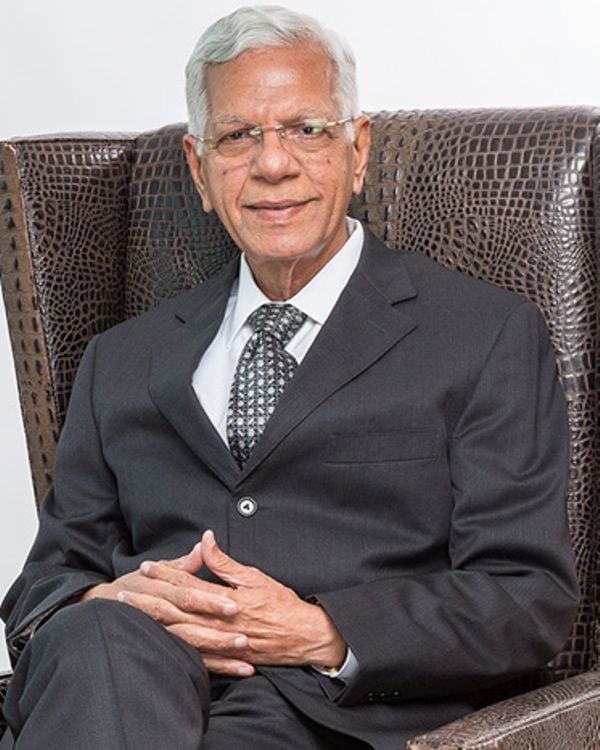 Celebrities
☑️Chandru Raheja
Chandru Lachmandas Raheja is an Indian businessman known for leading K. Raheja Corporation and for his long career in real estate, retail and hospitality.ト
Updated 2026-10-04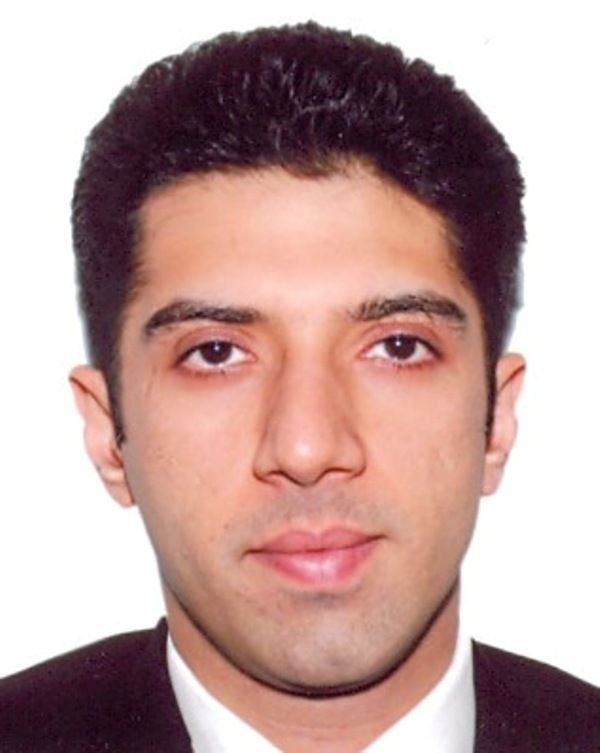 Celebrities
✅Neel Raheja
Neel Chandru Raheja is an Indian businessman who serves as Group President of K Raheja Corp. Born in Mumbai in 1974, he has guided the family's expansion—b
Updated 2026-10-04 Celebrities
✅Ravi Raheja
Ravi Chandru Raheja is an Indian businessman known for his leadership role at K. Raheja Corporation. Born and raised in Mumbai, he holds degrees from the H
Updated 2026-10-04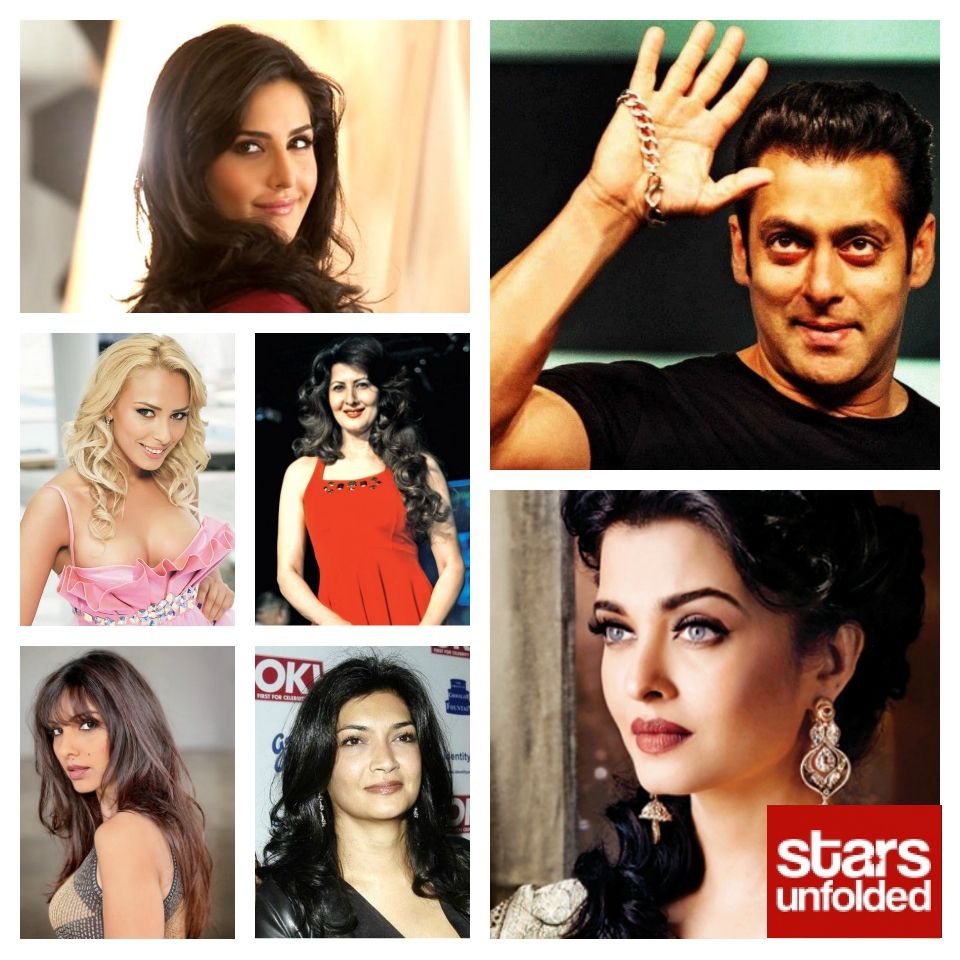 Celebrities
6 Girlfriends Of Salman Khan
A look at six women who have been linked to Bollywood star Salman Khan over the years, from early romances to high-profile relationships that captured wide
Updated 2026-10-04