
 Featured Biography
Image source: StarsUnfolded
Celebrities
Bhikaiji Cama Biography: Age, Career, Family and More
Quick Info
Date of birth24 September 1861
Age74 (at time of death)
BirthplaceNavsari, Bombay Presidency, British India
ProfessionFreedom Fighter
NationalityIndian
Marital statusMarried
SpouseRustom Cama
FamilyFather: Sorabji Framji Patel; Mother: Jaijibai Sorabji Patel
Bhikaiji Cama Biography
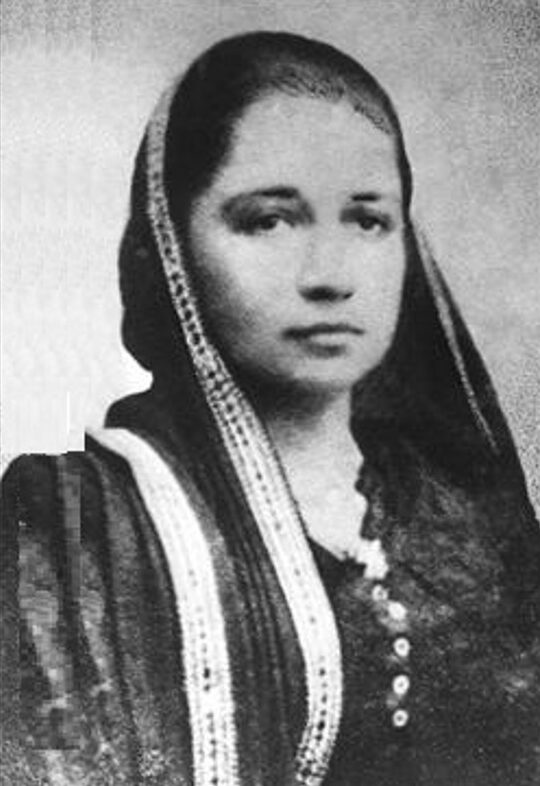
Bhikaiji Rustom Cama (1861–1936), widely known as Madam Cama, was a Parsi Indian freedom fighter celebrated for unfurling an early version of the Indian tr
Early life and backgroundBhikaiji Rustom Cama was born on 24 September 1861 in Navsari, in the Bombay Presidency of British India. She was raised in a well-known Parsi family; her father was Sorabji Framji Patel and her mother was Jaijibai Sorabji Patel. She received her schooling at the Alexandra Girls’ English Institution in Mumbai and practiced the Zoroastrian faith.
Bhikaiji married Rustom Cama in 1885. Her husband was a lawyer from a prominent Parsi household. The couple’s differing views on the British presence in India—Bhikaiji increasingly aligned with nationalist causes while Rustom remained sympathetic to aspects of British influence—shaped her turn toward public service and political activism.
Career
Bhikaiji Cama first came to public notice for social work during the Bombay plague epidemic of 1896, when she tended to the sick. The illness she contracted during this period weakened her health and led to extended treatment in Europe. By 1902 she was living in London, where she joined the British Committee of the Indian National Congress and worked with leading expatriate figures, including Dadabhai Naoroji. In London she spoke publicly in Hyde Park and associated with other Indian nationalists working abroad.
In 1905 she became involved with the Indian Home Rule Society and, facing pressure from British authorities in England, she moved to Paris. In France she helped establish the Paris Indian Society with other Indian exiles and used publishing and distribution networks to support Indian revolutionary literature. During her years in exile she edited and circulated writings such as Bande Mataram and a tribute titled Madan Talwar, which addressed the growing revolutionary movement and memorialized activists executed for their actions.
Bhikaiji Cama is best known for her role at the Socialist Congress in Stuttgart on 22 August 1907. Representing Indian interests there, she publicly appealed for support for famine-stricken and impoverished people in India and unfurled a version of the Flag of Indian Independence, becoming the first person documented to display that flag on foreign soil. The flag she presented was adapted with help from other Indian revolutionaries and later received recognition from Indian committees abroad.
Her activism continued through the following decade. She was involved in efforts connected to Indian revolutionaries detained or deported by British authorities, an involvement that drew scrutiny from French police as well. During World War I the changing relations among European powers and colonial authorities forced many Indian exiles to disperse; Bhikaiji Cama faced arrest and periods of detention in France, and her health suffered while she was imprisoned. Exempted from further punishment in November 1917 on a requirement to report regularly to police, she later remained active in political and women's issues when circumstances allowed.
Public profile
Bhikaiji Cama advocated not only for Indian independence but also for broader social and political rights. She expressed support for gender equality movements she encountered in Europe and spoke on women’s participation in public life, including during a public meeting in Cairo in 1910 when she questioned the absence of women in the assembly.
After years in exile across Europe, Cama sought to return to India as her health worsened. In June 1935 she wrote to British authorities from Paris requesting permission to come back and pledging to refrain from further political agitation. She left Paris in November 1935 and returned to Bombay, where she died on 13 August 1936 at the Parsi General Hospital after a prolonged illness. She was 74 years old at the time of her death.
Legacy
Following her death, many institutions and public memorials honored her name. Her personal belongings and assets were entrusted to the Avabai Petit Orphanage for girls in Bombay, which was later renamed Bai Avabai Framji Petit Girls’ High School. Streets in Bombay were named after her, and in 1962 the Indian government issued a postal stamp commemorating her contributions. In 1977 the Indian Coast Guard named a patrol vessel in her honor, and an official office complex in South Delhi also carries her name.
Latest updates
Biographical interest in Bhikaiji Cama has continued into modern times. Her life has been the subject of books and scholarly attention that examine her role in the Indian independence movement and her presence among political exiles in Europe.
Editorial Review and Sources
This F4U profile is written from publicly available career and profile information, then reviewed for clarity before publication. If you spot an outdated detail about Bhikaiji Cama, send the page URL and a reliable correction source to f4udotin@gmail.com.
Reference context: StarsUnfoldedCareer Highlights
- Unfurled a version of the Flag of Indian Independence at the Socialist Congress in Stuttgart on 22 August 1907
- Helped found the Paris Indian Society and published revolutionary writings in exile
- Worked with the British Committee of the Indian National Congress in London and campaigned publicly for Indian self-rule
Frequently Asked Questions
When was Bhikaiji Cama born?
24 September 1861
What is Bhikaiji Cama known for?
Freedom Fighter
What is Bhikaiji Cama’s marital status?
Married
Who is Bhikaiji Cama married to?
Rustom Cama
Related Biographies
View all →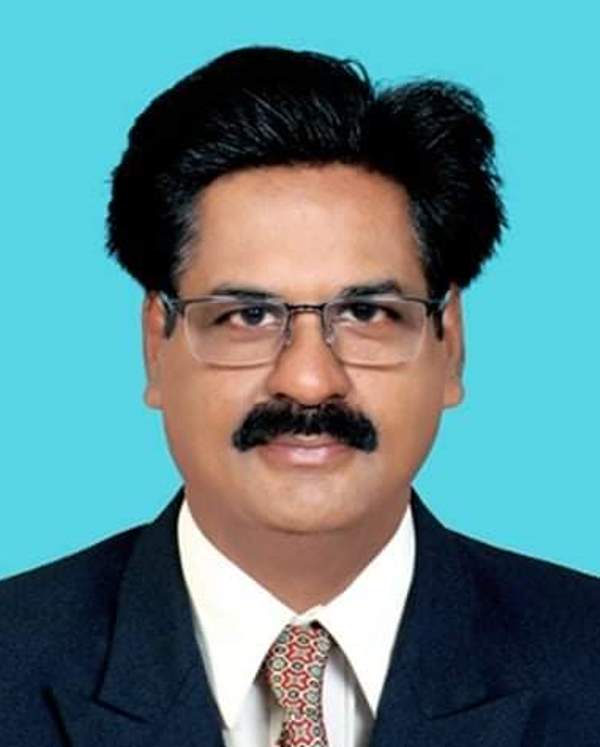 Celebrities
A Rajarajan
A Rajarajan is an Indian scientist and director of the Satish Dhawan Space Centre (SDSC SHAR) at Sriharikota. A composites specialist with a BE in机械工程, he
Updated 2026-09-15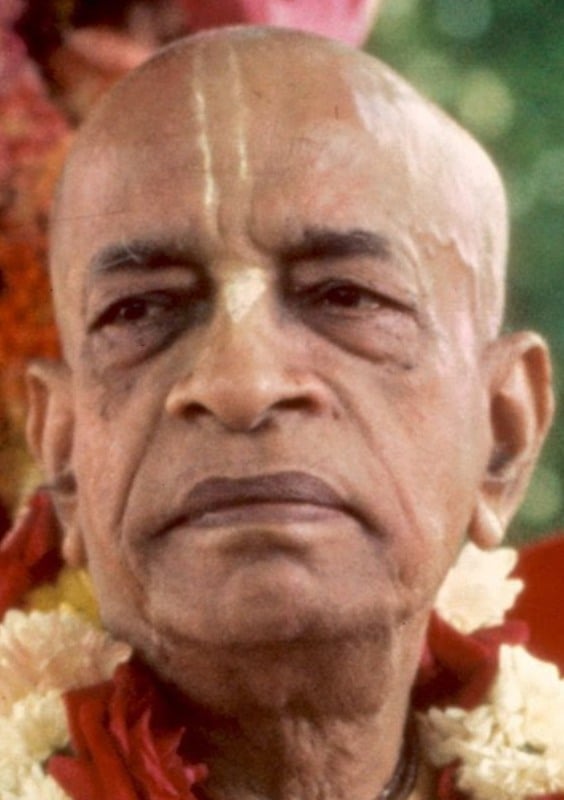 Celebrities
A. C. Bhaktivedanta Swami Prabhupada
A. C. Bhaktivedanta Swami Prabhupada (born Abhay Charanaravinda De) was an Indian spiritual teacher who founded the International Society for Krishna Consc
Updated 2026-10-03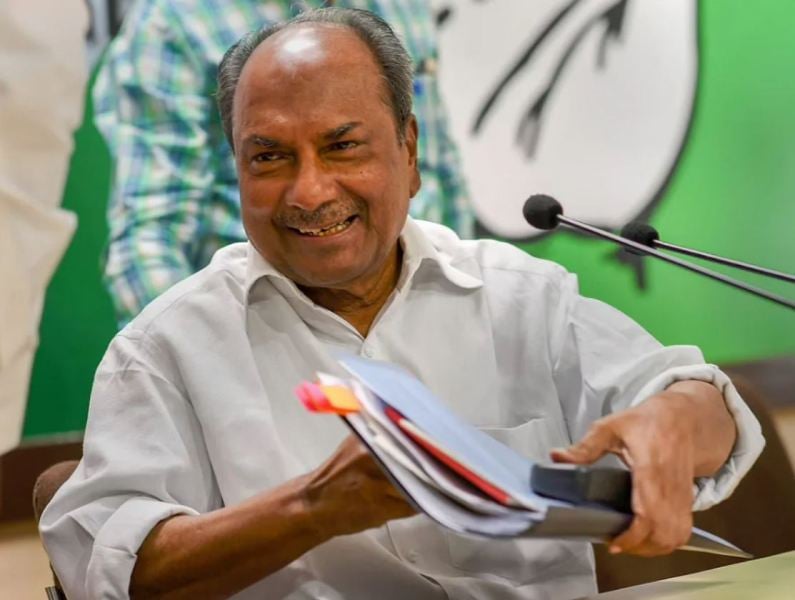 Celebrities
A. K. Antony
A. K. Antony is a veteran Indian politician from Kerala who served three times as Chief Minister of the state and for eight continuous years as India’s the
Updated 2026-09-04 Celebrities
A. K. Hangal,
A. K. Hangal was a veteran Indian actor whose long career in film and theatre began after a lifetime of political activism and stage work. Born in 1914 inS
Updated 2026-10-03