
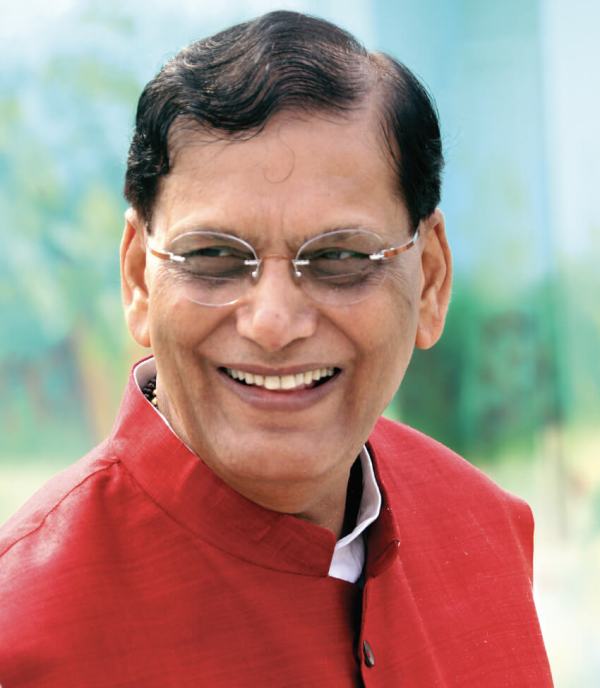
 Featured Biography
Image source: StarsUnfolded
Quick Info
Date of birth2 April 1943
Age80 (at time of death)
BirthplaceRampur Baghel, Vaishali, Bihar
ProfessionSociologist, Founder of Sulabh International
NationalityIndian
Marital statusMarried
SpouseAmola
FamilyOne son and two daughters
Bindeshwar Pathak Biography
Bindeshwar Pathak (2 April 1943 – 15 August 2023) was an Indian sociologist and social reformer best known for founding Sulabh International and leading a
Early life and backgroundBindeshwar Pathak was born on 2 April 1943 in the village of Rampur Baghel in Vaishali district, Bihar. He grew up in a family with a medical background; his father, Rama Kant Pathak, practiced Ayurvedic medicine. Pathak attended a local government school in his village before pursuing further studies in Muzaffarpur and Patna. He completed a graduation in sociology in 1964 and went on to earn multiple advanced degrees, including M.A. degrees, a Ph.D. and a D.Litt.
Pathak’s upbringing in a traditional Hindu Brahmin household and an early childhood incident that exposed him to caste-based discrimination shaped his lifelong commitment to social reform. Influenced by the Gandhian ideals he encountered as a young adult, he moved from initial hesitancy about working with communities labelled “untouchable” to dedicating his career to eradicating manual scavenging and improving sanitation.
Career
After brief work as a temporary teacher and later in other jobs, Pathak joined the Bhangi-Mukti (scavengers’ liberation) Cell of the Bihar Gandhi Centenary Celebrations Committee in Patna in 1968. His work there deepened his commitment to the cause of manual scavengers and led him to adopt Gandhian principles as the guiding philosophy of his life’s work.
On 5 March 1970 he founded Sulabh Svachchh Shauchalaya Sansthaan, beginning with a small office in Patna and a handful of staff. He developed practical sanitation solutions, including an ecological two-pit pour-flush toilet concept, and focused on creating affordable, dignified alternatives to dangerous manual cleaning of human waste. In 1980 the organisation was renamed Sulabh International and expanded its activities across India and beyond.
Over decades Sulabh built an extensive network of household and public sanitation facilities. The organisation constructed well over a million household pour-flush toilets, which serve millions of users daily, and established thousands of public toilets maintained by a large workforce. Sulabh also attracted corporate support and CSR funding that helped scale its programmes.
Pathak’s career was marked by national and international recognition for sanitation, public health and human rights work. His awards include the Padma Bhushan (1991) and, later, the Padma Vibhushan (2024). He received numerous honours from international bodies and governments, such as the Stockholm Water Prize (2009), the UN-Habitat Scroll of Honour Award (2003), and the Gandhi Peace Prize (2019). Other distinctions listed during his lifetime include the International St. Francis Prize, the Energy Globe Award, the Nikkei Asia Prize, and multiple awards recognizing humanitarian and public health contributions.
Public profile
Pathak was widely acknowledged as a pioneer in practical sanitation reform and an advocate for the dignity and rights of sanitation workers. His work drew attention from civic leaders and foreign dignitaries; for example, a day in his honour was declared in New York in April 2016. He appeared on popular Indian television as a guest contestant for events commemorating Mahatma Gandhi’s 150th birth anniversary.
His personal story—born in a rural setting, educated in Patna, and inspired by Gandhi—was often cited in accounts of Sulabh’s growth from a small initiative into a major social movement. He publicly described the hardships he and his organisation faced in the early years, including financial strain that required personal sacrifices to keep Sulabh running until the work began to receive steady support and orders for toilets.
Personal life
Pathak married in July 1965 and was survived by his wife, Amola, and three children: one son and two daughters. He credited family influences, early life experiences and Gandhian philosophy for shaping his mission. Outside of his work, he enjoyed watching films and listening to music.
Latest updates
Bindeshwar Pathak died on 15 August 2023 at All India Institute of Medical Sciences (AIIMS), New Delhi. He collapsed after unfurling the national flag on Independence Day and was declared dead at the hospital; the cause of death was reported as cardiac arrest. His passing was noted nationally and internationally, and his legacy continues through Sulabh International’s ongoing sanitation and social reform programmes.
Editorial Review and Sources
This F4U profile is written from publicly available career and profile information, then reviewed for clarity before publication. If you spot an outdated detail about Bindeshwar Pathak, send the page URL and a reliable correction source to f4udotin@gmail.com.
Reference context: StarsUnfoldedAccuracy
Request a Correction
Tell us what needs to be updated and share a reliable source so the editorial team can review it.
Ownership
Claim This Profile
If this profile is about you or your client, send your contact details and verification context.
Recent Work
Established Sulabh Svachchh Shauchalaya Sansthaan in 1970 (renamed Sulabh International in 1980) and developed ecological pour-flush toilets and large-scale sanitation programmes across India and abroad.
1970Career Highlights
- Founded Sulabh Svachchh Shauchalaya Sansthaan (later Sulabh International) in 1970.
- Developed the two-pit ecological pour-flush toilet model and led large-scale sanitation campaigns.
- Recipient of multiple national and international awards including Padma Bhushan (1991) and Padma Vibhushan (2024).
- Recipient of the Stockholm Water Prize (2009) and the Gandhi Peace Prize (2019).
People Also Search For
Frequently Asked Questions
When was Bindeshwar Pathak born?
Bindeshwar Pathak was born on 2 April 1943.
What is Bindeshwar Pathak known for?
Bindeshwar Pathak is known for sociologist, Founder of Sulabh International.
What is Bindeshwar Pathak’s marital status?
Bindeshwar Pathak's marital status is listed as Married.
Who is Bindeshwar Pathak married to?
Bindeshwar Pathak is publicly listed as married to Amola.
Related Biographies
View all →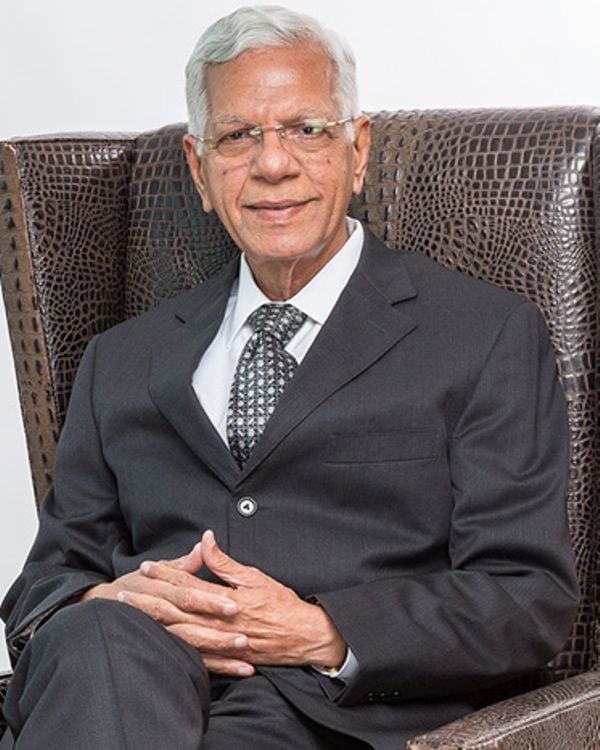 Celebrities
☑️Chandru Raheja
Chandru Lachmandas Raheja is an Indian businessman known for leading K. Raheja Corporation and for his long career in real estate, retail and hospitality.ト
Updated 2026-10-04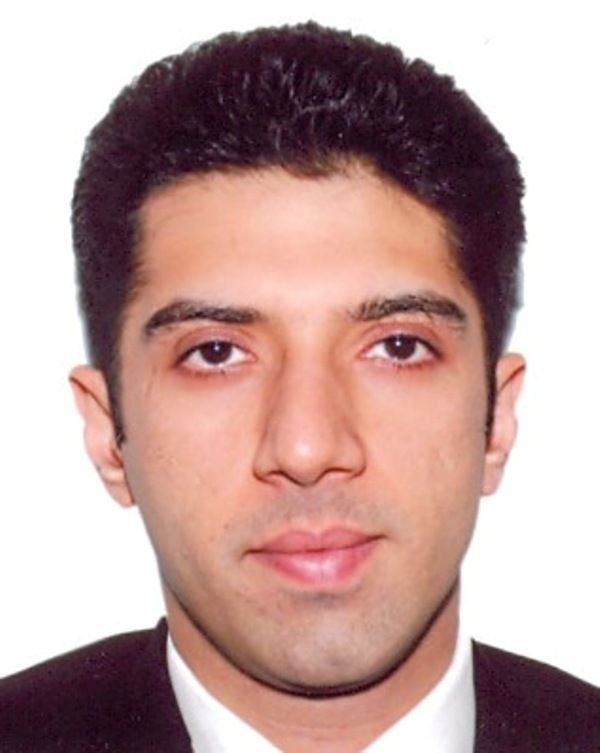 Celebrities
✅Neel Raheja
Neel Chandru Raheja is an Indian businessman who serves as Group President of K Raheja Corp. Born in Mumbai in 1974, he has guided the family's expansion—b
Updated 2026-10-04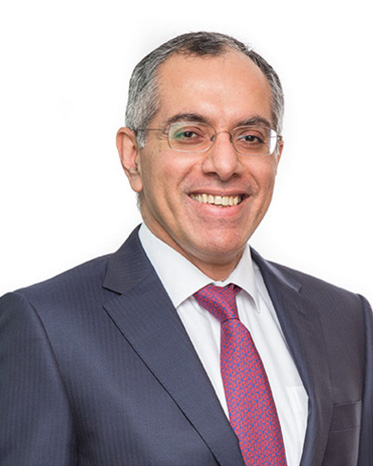 Celebrities
✅Ravi Raheja
Ravi Chandru Raheja is an Indian businessman known for his leadership role at K. Raheja Corporation. Born and raised in Mumbai, he holds degrees from the H
Updated 2026-10-04 Celebrities
6 Girlfriends Of Salman Khan
A look at six women who have been linked to Bollywood star Salman Khan over the years, from early romances to high-profile relationships that captured wide
Updated 2026-10-04