
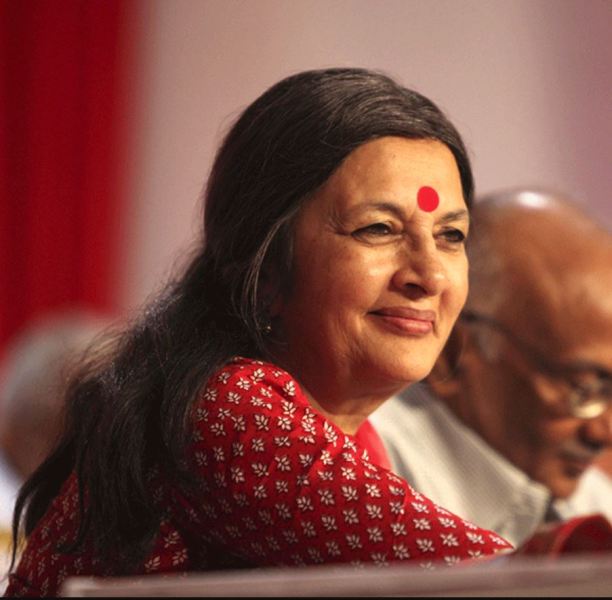
 Featured Biography
Image source: StarsUnfolded
Quick Info
Date of birth17 October 1947
Age79 years
BirthplaceCalcutta, West Bengal, India
ProfessionPolitician
NationalityIndian
Marital statusMarried
SpousePrakash Karat
FamilyOne brother and three sisters (one brother and an elder sister deceased); relatives include Radhika Roy, Prannoy Roy, Vijay Prashad
Brinda Karat Biography
Brinda Karat was born on 17 October 1947 in Calcutta, West Bengal. She grew up in a household shaped by the upheavals of partition: her father, Suraj Lal, came from Lahore and moved to Calcutta in search of work, later taking positions in the port commissioner’s office and corporate directorships.
Early life and backgroundBrinda Karat was born on 17 October 1947 in Calcutta, West Bengal. She grew up in a household shaped by the upheavals of partition: her father, Suraj Lal, came from Lahore and moved to Calcutta in search of work, later taking positions in the port commissioner’s office and corporate directorships. Her mother died when Brinda was young and her father remarried in 1960. Brinda spent her early school years in Calcutta before attending Welham Girls’ School in Dehradun. At 16 she went to Miranda House, Delhi, where she completed an arts degree in 1967, and later undertook further study at Calcutta University, earning an MA in history as part of practical political training.
Career
After graduating, Brinda moved to London and worked for Air India on Bond Street for three years. That period abroad brought her into contact with anti-imperialist and anti-war campaigns and introduced her to Marxist ideas, which she later described as reshaping her understanding of social inequalities. Returning to India in 1971, she began active work for the Communist Party of India (Marxist). The party encouraged her to re-enroll at Calcutta University to gain practical political experience, and she joined campus and community political campaigns, including relief work during the Bangladesh war.
In 1975 Brinda moved to Delhi to concentrate on trade-union organizing and began work with textile mill workers in North Delhi. She married fellow CPI(M) leader Prakash Karat on 7 November 1975; both dedicated their political lives to the party. Over the following decades Brinda established herself as a prominent organiser and campaigner for workers’ and women’s rights. She served as general secretary of the All India Democratic Women’s Association (AIDWA) from 1993 to 2004 and was later its vice-president.
Brinda’s parliamentary career began when she was nominated to the Rajya Sabha from West Bengal on 11 April 2005. That same year she became the first woman to be appointed to the CPI(M) Politburo, the party’s highest decision-making body, marking a notable milestone in her political trajectory.
Public profile
Brinda has been an outspoken advocate on gender issues and labour rights. In the 1980s she gained recognition for campaigning to reform rape laws in India. Throughout her career she pressed for stronger representation of women in leadership within left political organisations and publicly criticised party members when they breached legal or ethical norms, as in her 2016 response to a Kerala CPI(M) leader who named a gang-rape survivor.
Her public positions have extended to broader national debates: she opposed a death penalty ordinance in 2018 and was a vocal critic of the central government’s policies in 2019. Brinda has also used legal channels to challenge what she considered communal or derogatory public statements, filing a complaint in response to a 2020 tweet she said insulted prominent Muslim educationalists.
Writing and other work
Brinda has contributed to the left intellectual and cultural sphere. In 2005 she published Survival and Emancipation: Notes from Indian Women’s Struggles, a book addressing challenges faced by women’s movements from a left political standpoint. She also appeared in the 2005 film Amu, directed by her niece Shonali Bose; the film dealt with the Anti-Sikh riots of 1984.
Personal life
Brinda and Prakash Karat have no children. Her extended family includes siblings and relatives active in public life: one sister was Radhika Roy, and her family connections extend to journalist Prannoy Roy and historian Vijay Prashad. Brinda has spoken about a multi-regional affinity in her identity, referring to herself as Bengali, Punjabi and having ties to Kerala through family.
Latest updates
In the 2010s and onward Brinda continued to speak out on gender and justice issues and remained an influential figure within left political circles. Her public interventions have included critiques of legal and political developments and defending the norms that protect survivors of sexual violence.
Editorial Review and Sources
This F4U profile is prepared from the public references listed below and reviewed for clarity. If you spot an outdated detail about Brinda Karat, send the page URL and a reliable correction source to f4udotin@gmail.com.
Accuracy
Request a Correction
Tell us what needs to be updated and share a reliable source so the editorial team can review it.
Ownership
Claim This Profile
If this profile is about you or your client, send your contact details and verification context.
Recent Work
A book addressing women’s movements and challenges from a left-political perspective.
2005Appeared in the 2005 film directed by her niece Shonali Bose, which dealt with the Anti-Sikh riots of 1984.
2005Career Highlights
- General Secretary, All India Democratic Women’s Association (1993–2004)
- First woman member of the CPI(M) Politburo (2005)
- Rajya Sabha member from West Bengal (nominated 11 April 2005)
Frequently Asked Questions
When was Brinda Karat born?
Brinda Karat was born on 17 October 1947.
What is Brinda Karat known for?
Brinda Karat is known for politician.
What is Brinda Karat’s marital status?
Brinda Karat's marital status is listed as Married.
Who is Brinda Karat married to?
Brinda Karat is publicly listed as married to Prakash Karat.
Related Biographies
View all →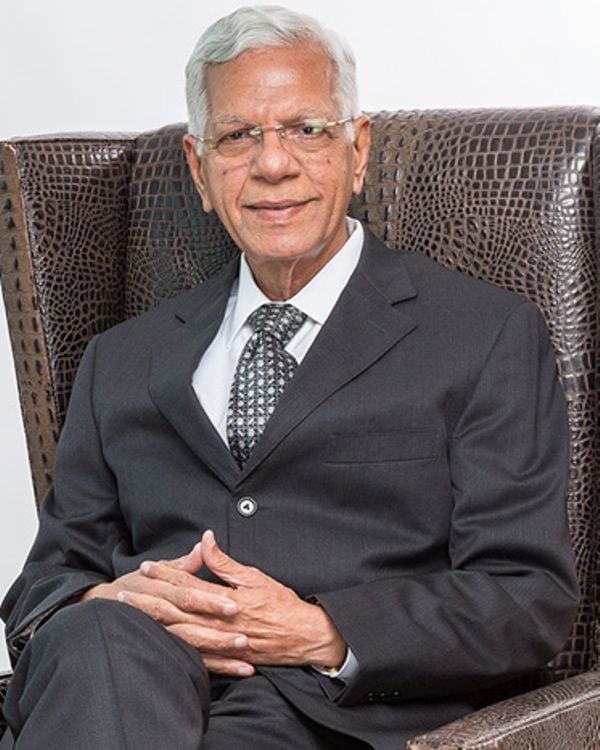 Celebrities
Chandru Raheja
Veteran Indian businessman Chandru Raheja is the chairman of K. Raheja Corporation and a noted real-estate and retail leader.
Updated 2026-10-23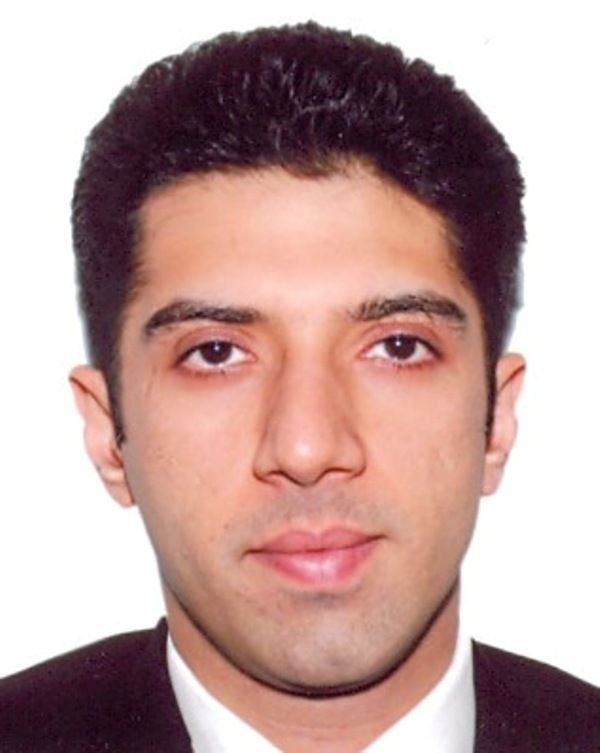 Celebrities
Neel Raheja
Neel Chandru Raheja was born on 27 June 1974 in Mumbai, Maharashtra. Raised in a family with deep roots in Indian real estate, he is the son of Chandru Raheja and Jyoti C. Raheja and a grandson of Lachmandas Raheja, the founder of the K. Raheja Group.
Updated 2026-10-04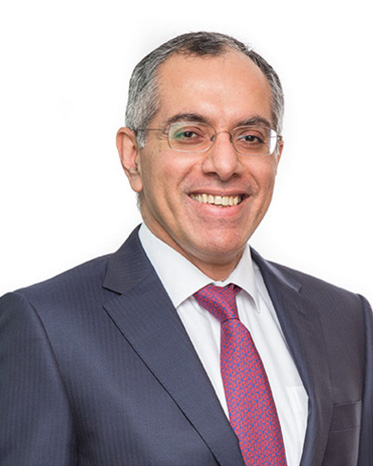 Celebrities
Ravi Raheja
Business leader Ravi Chandru Raheja is Group President at K. Raheja Corporation with a background in commerce and an MBA from London Business School.
Updated 2026-10-23 Celebrities
1eye43
Indian rapper 1eye43, born Vivek in Chandigarh, rose from hardship to build a following with viral 2024 tracks.
Updated 2026-10-23