
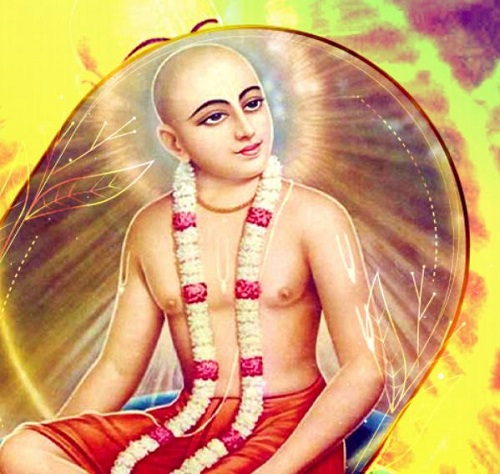
 Featured Biography
Image source: StarsUnfolded
Celebrities
Chaitanya Mahaprabhu Biography: Age, Career, Family and More
Quick Info
Date of birth4 February 1486 or 18 February 1486
Age47 Years (at time of death)
BirthplaceNabadwip, Bengal Sultanate (present-day West Bengal, India)
ProfessionSaint
NationalityIndian
Marital statusWas married; observed celibacy after taking sanyasa
SpouseLakshmipriya; Bisnupriya (Visnupriya)
FamilyFather - Pandit Jagannath Misra; Mother - Sachi Devi
Chaitanya Mahaprabhu Biography
Chaitanya Mahaprabhu (born Vishvambhar Misra) was a 15th–16th century Indian saint and the founder of the Gaudiya Vaishnavism movement. Revered for his dev
Early life and backgroundChaitanya Mahaprabhu was born Vishvambhar Misra in Nabadwip, in the Bengal Sultanate (present-day West Bengal). Sources give two possible birth dates in 1486: 4 February and 18 February. He came into the world beneath a neem tree, a detail reflected in one of his childhood names, Nimai. He was also known as Gaur, Gaur-Hari or Gauranga because of his fair complexion, and later by the devotional name Caitanya Mahaprabhu.
His parents were Pandit Jagannath Misra and Sachi Devi, the daughter of scholar Nilamber Chakravarti. Chaitanya’s family background was Vaidik Brahmin. Several of his elder sisters died in infancy; a younger brother, Viswarup, left home to join a South Indian monastery when he was about 16 after being compelled into marriage.
Education and formative influences
Trained in Sanskrit and classical logic, Chaitanya studied under notable teachers of his time. He learned navya nyaya (new logic) at the school of the philosopher Vasudeva Sarvabhauma and received instruction in Sanskrit from a teacher named Sudarshan, with further mentorship from Pandit Gangadas. Accounts describe a moment when a contemporary scholar, Raghunath, recognized the originality and depth of Chaitanya’s work in Nyaya. Distressed by how his own ambitions compared to Chaitanya’s scholarly ability, Raghunath’s encounter reportedly led Chaitanya to abandon his Nyaya studies and manuscripts.
Spiritual turn and devotion
After the death of his father in 1509, Chaitanya traveled to Gaya to perform śrāddha rites and met Swami Isvara Puri, who became his spiritual guide. Under Isvara Puri’s influence he adopted intense devotional practices centered on Krishna, frequently chanting the holy names and seeking what he described as pure love for God. Tradition records that Isvara Puri initiated him with a ten-lettered mantra and that Chaitanya’s devotional life often involved deep trances, tears of love, periods of seclusion, and episodes in which he neglected food while absorbed in meditation.
He is credited with founding Gaudiya Vaishnavism and articulating the theological stance of Achintya Bheda Abheda within the Vaishnava tradition. Pilgrimages and devotional journeys were an important part of his life: in 1515 he traveled to Vrindavan seeking sites associated with Krishna and is said to have identified many sacred places there.
Career
Chaitanya is remembered primarily as a saint and religious leader. By his mid-teens he had established a tol, a centre of learning, and later shared his devotional message through kirtan (devotional singing and dancing) and public processions. He partnered closely with Nityananda (also called Nitai), whom he regarded as an elder spiritual companion, and together they organized street processions to spread devotional practices that emphasized singing, dancing and love for Krishna.
Many of the stories associated with Chaitanya illustrate his compassion, miraculous influence and insistence that devotion be expressed openly. Accounts describe him restoring joy and hope to grieving households, inspiring profound devotional states in ordinary workers, and intervening in moments of danger while absorbed in spiritual trance. These narratives underline his role as a charismatic teacher who brought devotional practice into public life.
Public profile
Chaitanya’s life and teachings generated a lasting tradition of scripture and hagiography. Devotees recorded kirtan performances and religious songs in household courtyards, and later writers in his movement compiled narratives and devotional biographies, including works attributed to followers and descendants of his close associates. Within Gaudiya Vaishnavism he is venerated as a divine embodiment of Krishna and Radha together, and his theological and devotional legacy remains central to that school.
Personal life and death
Chaitanya underwent an arranged marriage and is recorded to have had two wives: his first wife Lakshmipriya, who died after a snake bite, and a second wife, Bisnupriya (also spelled Visnupriya), daughter of Pandit Santana of Nadia. After taking up a renounced lifestyle as a sanyasi he observed strict celibacy.
Sources list his date of death as 14 June 1533 at Puri in the Gajapati Kingdom (present-day Odisha), at which time he was 47 years old. Traditional accounts describe his disappearance as the manner of death.
Latest updates
Chaitanya Mahaprabhu’s teachings and the institutions that grew from them continue to shape devotional practice. His life remains the subject of biographies and devotional literature produced by followers and scholars of the Gaudiya Vaishnava tradition.
Editorial Review and Sources
This F4U profile is written from publicly available career and profile information, then reviewed for clarity before publication. If you spot an outdated detail about Chaitanya Mahaprabhu, send the page URL and a reliable correction source to f4udotin@gmail.com.
Reference context: StarsUnfoldedAccuracy
Request a Correction
Tell us what needs to be updated and share a reliable source so the editorial team can review it.
Ownership
Claim This Profile
If this profile is about you or your client, send your contact details and verification context.
Career Highlights
- Founder of the Gaudiya Vaishnavism movement
- Proponent of Achintya Bheda Abheda theology
- Established a tol (centre of learning) and promoted kirtan processions with Nityananda
People Also Search For
Frequently Asked Questions
When was Chaitanya Mahaprabhu born?
Chaitanya Mahaprabhu was born on 4 February 1486 or 18 February 1486.
What is Chaitanya Mahaprabhu known for?
Chaitanya Mahaprabhu is known for saint.
What is Chaitanya Mahaprabhu’s marital status?
Chaitanya Mahaprabhu's marital status is listed as Was married; observed celibacy after taking sanyasa.
Who is Chaitanya Mahaprabhu married to?
Chaitanya Mahaprabhu is publicly listed as married to Lakshmipriya; Bisnupriya (Visnupriya).
Related Biographies
View all →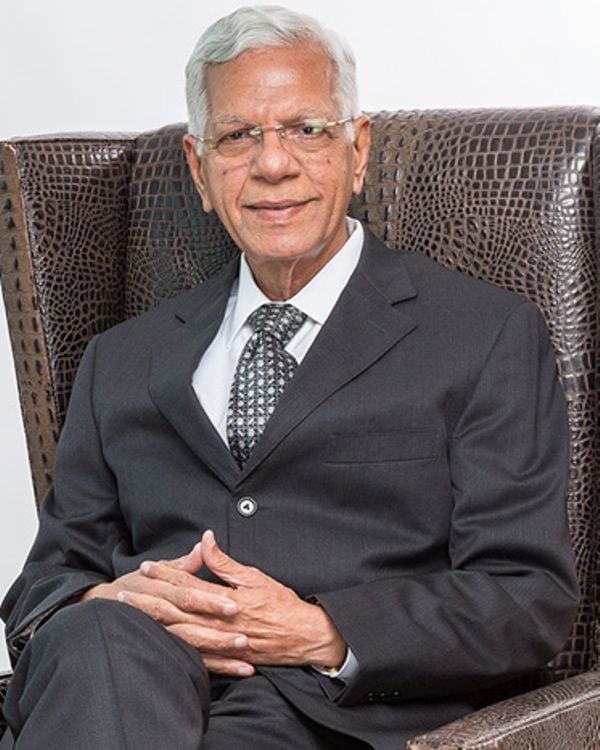 Celebrities
☑️Chandru Raheja
Chandru Lachmandas Raheja is an Indian businessman known for leading K. Raheja Corporation and for his long career in real estate, retail and hospitality.ト
Updated 2026-10-04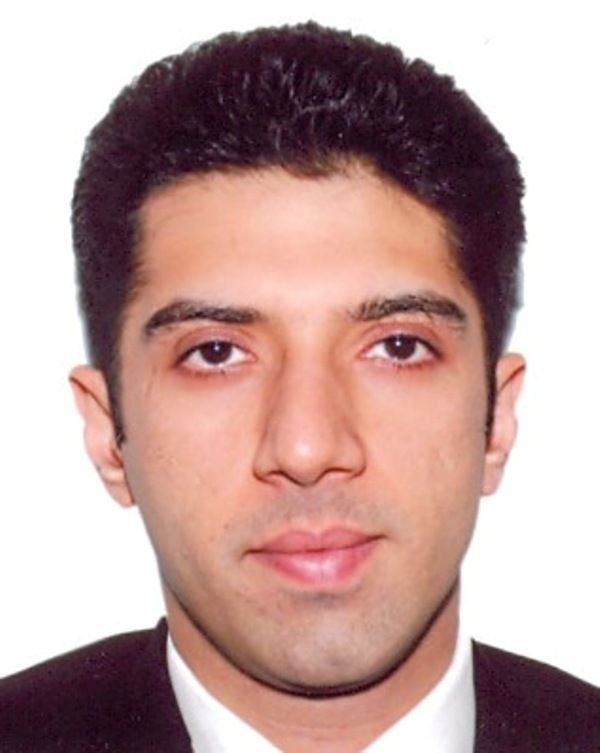 Celebrities
✅Neel Raheja
Neel Chandru Raheja is an Indian businessman who serves as Group President of K Raheja Corp. Born in Mumbai in 1974, he has guided the family's expansion—b
Updated 2026-10-04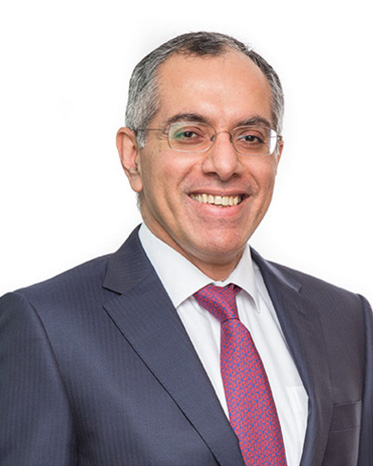 Celebrities
✅Ravi Raheja
Ravi Chandru Raheja is an Indian businessman known for his leadership role at K. Raheja Corporation. Born and raised in Mumbai, he holds degrees from the H
Updated 2026-10-04 Celebrities
6 Girlfriends Of Salman Khan
A look at six women who have been linked to Bollywood star Salman Khan over the years, from early romances to high-profile relationships that captured wide
Updated 2026-10-04