
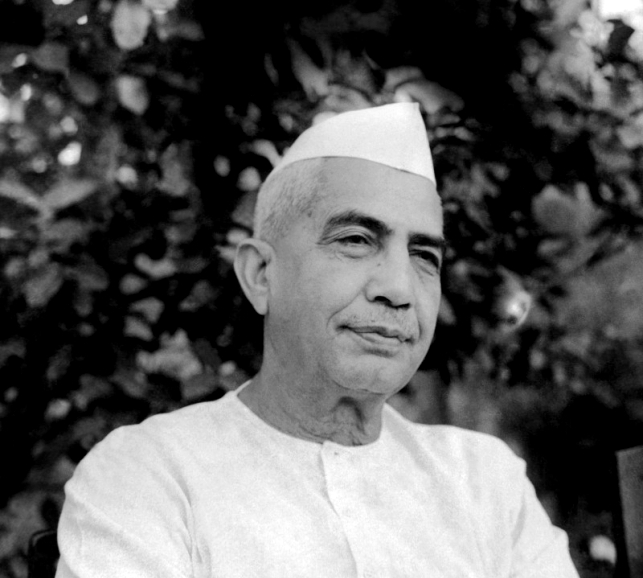
 Featured Biography
Image source: StarsUnfolded
Celebrities
Chaudhary Charan Singh Biography: Age, Career, Family and More
Quick Info
Date of birth23 December 1902
Age84 Years
BirthplaceNoorpur village, Meerut district, United Provinces, British India (now Uttar Pradesh, India)
ProfessionPolitician
NationalityIndian
Marital statusMarried
SpouseGayatri Devi
FamilySon Ajit Singh; five daughters Satyavati, Vedvati, Gyanvati, Saroj, Sharda
Chaudhary Charan Singh Biography
Chaudhary Charan Singh was an Indian politician known for championing farmers' rights and leading several governments at state and national levels. Born in
Early life and backgroundChaudhary Charan Singh was born on 23 December 1902 in Noorpur, a village in Meerut district of the United Provinces (now Uttar Pradesh). He grew up in a rural family; his father Mir Singh worked as a tenant and his mother Netra Kaur managed the household. Financial limitations led an uncle serving in the British Army to help support Singh’s education. He attended Government High School in Meerut, completed his intermediate studies there, and went on to earn a Bachelor of Science and a Master of Arts (History) from Agra College. He completed an LLB from Meerut College in 1927 and briefly practised law in Ghaziabad.
Singh was influenced by Arya Samaj and the teachings of Dayananda Saraswati from an early age. He rejected ritualistic practices and idol worship, and his social outlook was shaped by Gandhian causes: he participated in civil disobedience activities, worked for the upliftment of Harijans, and took part in protests such as those against the Simon Commission and the Communal Award. His personal habits reflected his convictions—he was vegetarian and abstained from alcohol and smoking.
Career
Charan Singh entered public life as a member of the Indian National Congress in 1929. He was first elected to the United Provinces Legislative Assembly in 1937 and returned in 1946, when he was appointed parliamentary secretary in the provincial Congress ministry. After Independence he held a succession of important state cabinet posts in Uttar Pradesh across portfolios that included revenue, agriculture, scarcity relief, irrigation, power, transport, home and police.
He played a significant role in land reform legislation. As parliamentary secretary to Premier Govind Ballabh Pant, he drafted the Zamindari Abolition and Land Reforms Bill which was enacted in 1951. The implementation of land reform measures under his hand led to major administrative changes in the rural revenue system, including the creation of new village-level posts accountable to elected local bodies.
In 1967 Singh left the Congress and formed the Bharatiya Kranti Dal. That year he became the first non-Congress chief minister of Uttar Pradesh, heading a coalition government. He pursued measures to curb corruption and caste-based privilege in the state, including anti-corruption legislation and steps to remove caste- or community-named funding for educational institutions.
Nationally, Singh founded and led several political formations over the years including the Bharatiya Lok Dal and later the Lok Dal. He served in the Morarji Desai cabinet as Union Home Minister in 1977–78. In 1979 he held the posts of Union Finance Minister and Deputy Prime Minister and was sworn in as Prime Minister of India on 28 July 1979. His tenure at the head of a short-lived coalition government ended before a full parliamentary session; he continued as caretaker prime minister until mid-January 1980.
Public profile
Charan Singh was widely recognised for his advocacy on behalf of farmers and rural India, often described as a champion of peasants. He authored a number of books on land reform, rural economy and India’s development model, with titles addressing land reforms, poverty, and economic policy from a Gandhian perspective.
His family life reflected his long public career. He married Gayatri Devi on 5 December 1925; the couple had six children, including a son Ajit Singh who entered politics. Gayatri Devi herself served in elected office in Uttar Pradesh and later won a seat in the Lok Sabha. Singh came from the Teotia clan of the Jat community.
Legacy and honours
Several institutions and memorials bear his name: an international airport near Lucknow was renamed Chaudhary Charan Singh International Airport, two universities carry his name, and an award in agricultural journalism was instituted by ICAR in his honour. His birthday, 23 December, is observed as Kisan Diwas in India. A memorial called Kisan Ghat in Delhi stands beside Raj Ghat.
Singh was imprisoned during the Emergency declared in 1975 and was a key figure in the opposition movement that led to the formation of the Janata Party in 1977.
Latest updates
On 30 March 2024, the President of India posthumously conferred the Bharat Ratna on Chaudhary Charan Singh. The award was accepted on his behalf by Jayant Chaudhary.
Death
Chaudhary Charan Singh died in New Delhi on 29 May 1987 after a prolonged illness. He was 84 years old at the time of his death.
Editorial Review and Sources
This F4U profile is written from publicly available career and profile information, then reviewed for clarity before publication. If you spot an outdated detail about Chaudhary Charan Singh, send the page URL and a reliable correction source to f4udotin@gmail.com.
Reference context: StarsUnfoldedAccuracy
Request a Correction
Tell us what needs to be updated and share a reliable source so the editorial team can review it.
Ownership
Claim This Profile
If this profile is about you or your client, send your contact details and verification context.
Recent Work
On 30 March 2024 President Droupadi Murmu conferred the Bharat Ratna on Chaudhary Charan Singh; Jayant Chaudhary accepted the award.
2024Career Highlights
- Joined Indian National Congress in 1929 and elected to United Provinces Legislative Assembly in 1937 and 1946
- Drafted Zamindari Abolition and Land Reforms Bill enacted in 1951
- First non-Congress Chief Minister of Uttar Pradesh (1967–1968)
- Founder of Bharatiya Kranti Dal, later Bharatiya Lok Dal and Lok Dal
- Union Home Minister (1977–78) and briefly Prime Minister of India (1979–1980)
People Also Search For
Frequently Asked Questions
When was Chaudhary Charan Singh born?
Chaudhary Charan Singh was born on 23 December 1902.
What is Chaudhary Charan Singh known for?
Chaudhary Charan Singh is known for politician.
What is Chaudhary Charan Singh’s marital status?
Chaudhary Charan Singh's marital status is listed as Married.
Who is Chaudhary Charan Singh married to?
Chaudhary Charan Singh is publicly listed as married to Gayatri Devi.
Related Biographies
View all →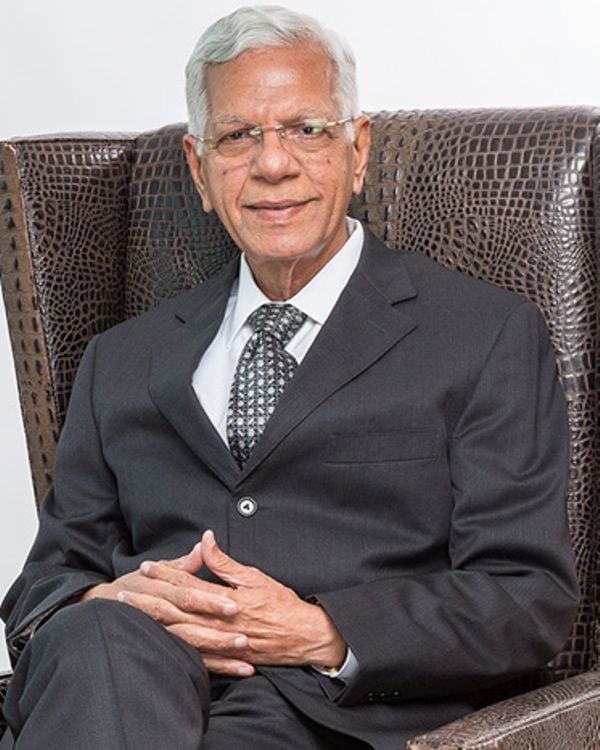 Celebrities
☑️Chandru Raheja
Chandru Lachmandas Raheja is an Indian businessman known for leading K. Raheja Corporation and for his long career in real estate, retail and hospitality.ト
Updated 2026-10-04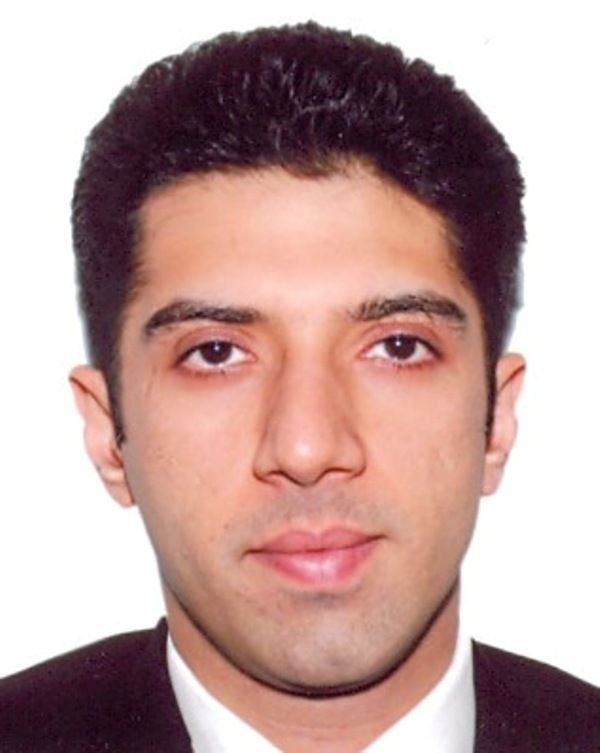 Celebrities
✅Neel Raheja
Neel Chandru Raheja is an Indian businessman who serves as Group President of K Raheja Corp. Born in Mumbai in 1974, he has guided the family's expansion—b
Updated 2026-10-04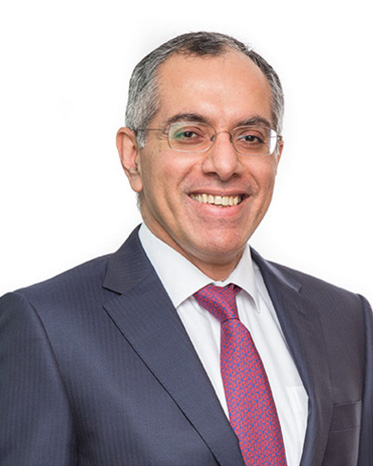 Celebrities
✅Ravi Raheja
Ravi Chandru Raheja is an Indian businessman known for his leadership role at K. Raheja Corporation. Born and raised in Mumbai, he holds degrees from the H
Updated 2026-10-04 Celebrities
6 Girlfriends Of Salman Khan
A look at six women who have been linked to Bollywood star Salman Khan over the years, from early romances to high-profile relationships that captured wide
Updated 2026-10-04