
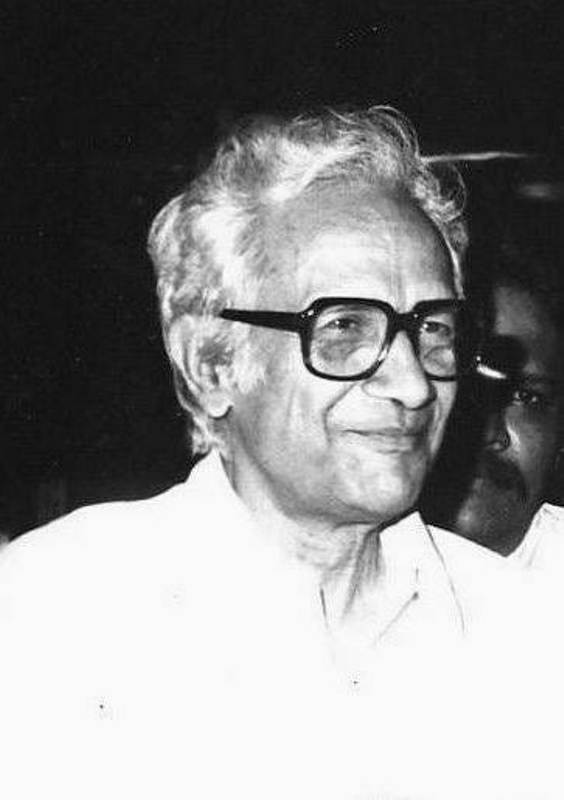
 Featured Biography
Image source: StarsUnfolded
Quick Info
Date of birth3 January 1921
Age76 (at time of death)
BirthplaceGurdaspur, Punjab, British India
ProfessionActor, Filmmaker, Screenwriter, Producer
NationalityBritish Indian (1921-1947); Indian (1947-1997)
Marital statusMarried (separated)
SpouseUma Anand
FamilySons: Ketan Anand, Vivek Anand; Brothers: Dev Anand, Vijay Anand, Manmohan Anand; Sisters: Sheel Kanta Kapur, Usha Madhok, Bonnie Sareen; Father: Pishori Lal Anand
Chetan Anand Biography
Chetan Anand was an influential Indian filmmaker, screenwriter, actor and producer best known for his debut feature Neecha Nagar, which won international
Early life and backgroundChetan Anand was born on 3 January 1921 in Gurdaspur, Punjab, in what was then British India. He grew up in a Punjabi Hindu family; his father Pishori Lal Anand worked as an advocate and his mother died when he was young. He studied Hindu scriptures at Gurukula Kangri in Haridwar and later graduated from a government college in Lahore. During his early years Anand became involved with political and cultural movements, joining the Indian National Congress and working with the BBC in the 1930s. He also taught history at The Doon School in Dehradun in the early 1940s.
Career
Chetan Anand entered the film world as a writer, director, actor and producer across a career that stretched from the 1940s into the 1980s. He made his directorial debut with Neecha Nagar in 1946, a film that brought him international recognition when it won the top prize at the Cannes Film Festival. He also worked as a screenwriter on films such as Afsar (1950) and appeared on screen in films including Humsafar (1953) and Kinare Kinare (1963).
In 1949 Anand co-founded the production company Navketan Films with his younger brother Dev Anand. Under Navketan he directed Taxi Driver (1954), a commercially successful film that became the banner’s big box-office hit and was based on a script by Vijay Anand and Uma Anand. Later, in 1960, he established his own production house, Himalaya Films, and continued to collaborate with a regular creative team that included cinematographer Jal Mistry and music director Madan Mohan. Himalaya Films produced Saheb Bahadur in 1977, with Anand producing as well as directing at various points in his career.
Anand was also instrumental in introducing new talent to Hindi cinema. He cast Rajesh Khanna in Aakhri Khat (1966), which marked an early film role for the actor. His later directorial and production work included Haathon Ki Lakeeren (1986), and he worked in television as well, directing the series Param Vir Chakra in 1988.
Notable recognitions
Chetan Anand’s work received national and international accolades. Neecha Nagar’s prize at Cannes in 1946 was an early moment of international recognition for Indian cinema. Later, Haqeeqat (1964), produced under his guidance, received a National Film Award for Second Best Feature Film in 1965, and Anand earned a Filmfare Best Story Award in 1982 for the 1981 film Kudrat.
Personal life and family
Anand married Uma Anand in 1943. The couple separated after a few years but remained legally married. They had two sons, Ketan Anand and Vivek Anand. Ketan followed his father into filmmaking. Chetan was part of a notable film family: his brothers included Dev Anand and Vijay Anand, both prominent figures in Hindi cinema, and members of his extended family also included filmmaker Shekhar Kapur.
Anand had a long-term personal and professional relationship with actress Priya Rajvansh, who became a regular collaborator and lead in several of his projects. In his will he left Priya the right to live in his Juhu bungalow for the rest of her life, while ownership was to pass to his sons after her death.
Later years and legacy
Chetan Anand continued to be active behind the camera into the 1980s. He died in Mumbai on 6 July 1997 at the age of 76. His films have been the subject of retrospectives and study; selections of his work were shown at film festivals and cultural institutions years after his death. A commemorative postage stamp honoring him was released by India Post in 2013, and a book documenting his cinematic work was published by Uma Anand and his son Ketan in 2007, accompanied by a documentary made by Ketan in 2008.
Public profile
Anand is remembered as a pioneering director whose early international recognition helped bring Indian cinema to a wider audience. His contributions spanned direction, writing, production and acting, and he played a formative role in the careers of several actors and filmmakers. Retrospectives of his films and scholarly attention have continued to underscore his place in Indian film history.
Latest updates
Posthumous recognition for Anand’s body of work has included festival screenings and the 2013 commemorative stamp. Biographical and critical material, including a book by Uma and Ketan Anand and a later documentary, have kept public interest in his films and influence alive.
Editorial Review and Sources
This F4U profile is written from publicly available career and profile information, then reviewed for clarity before publication. If you spot an outdated detail about Chetan Anand, send the page URL and a reliable correction source to f4udotin@gmail.com.
Reference context: StarsUnfoldedAccuracy
Request a Correction
Tell us what needs to be updated and share a reliable source so the editorial team can review it.
Ownership
Claim This Profile
If this profile is about you or your client, send your contact details and verification context.
Recent Work
Last film as director and producer (1986).
1986Television series directed by Chetan Anand (1988).
1988Career Highlights
- Directed Neecha Nagar (1946), winner of Cannes top prize
- Co-founded Navketan Films (1949) and later founded Himalaya Films (1960)
- Introduced Rajesh Khanna to film in Aakhri Khat (1966)
- National Film Award for Second Best Feature Film for Haqeeqat (1964) as producer
- Won Filmfare Best Story Award for Kudrat (1981)
People Also Search For
Frequently Asked Questions
When was Chetan Anand born?
Chetan Anand was born on 3 January 1921.
What is Chetan Anand known for?
Chetan Anand is known for actor, Filmmaker, Screenwriter, Producer.
What is Chetan Anand’s marital status?
Chetan Anand's marital status is listed as Married (separated).
Who is Chetan Anand married to?
Chetan Anand is publicly listed as married to Uma Anand.
Related Biographies
View all →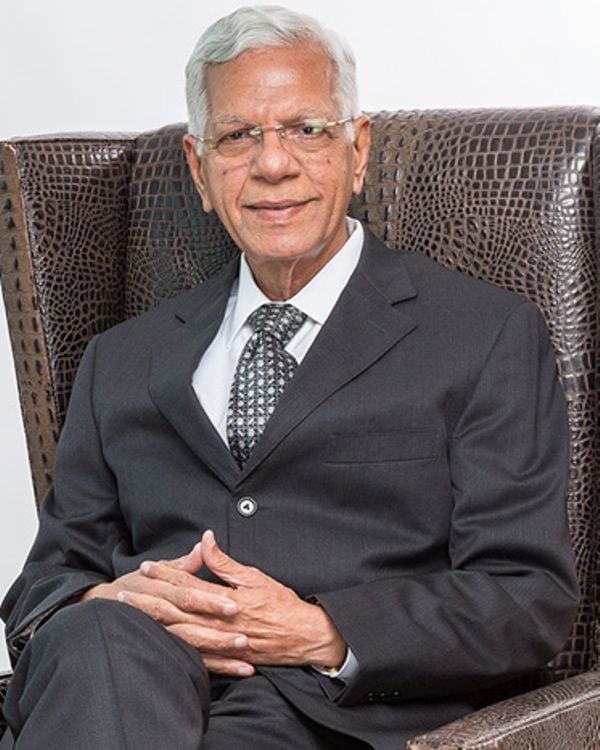 Celebrities
☑️Chandru Raheja
Chandru Lachmandas Raheja is an Indian businessman known for leading K. Raheja Corporation and for his long career in real estate, retail and hospitality.ト
Updated 2026-10-04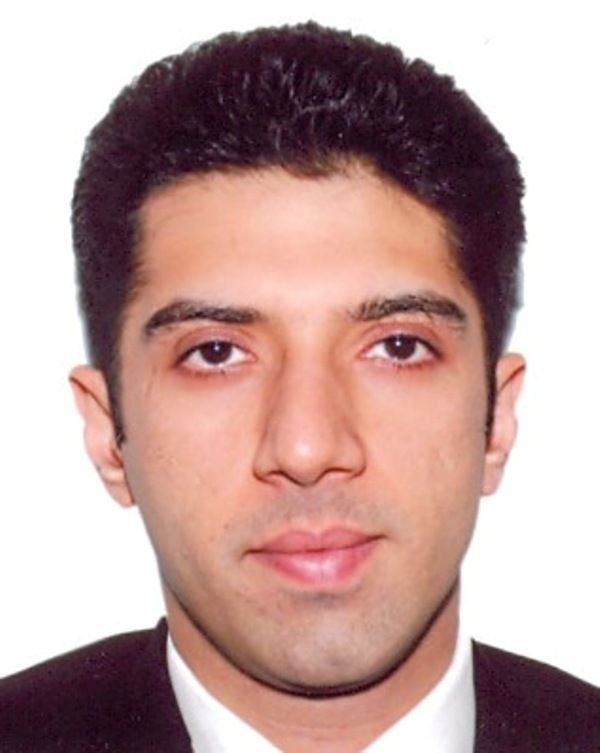 Celebrities
✅Neel Raheja
Neel Chandru Raheja is an Indian businessman who serves as Group President of K Raheja Corp. Born in Mumbai in 1974, he has guided the family's expansion—b
Updated 2026-10-04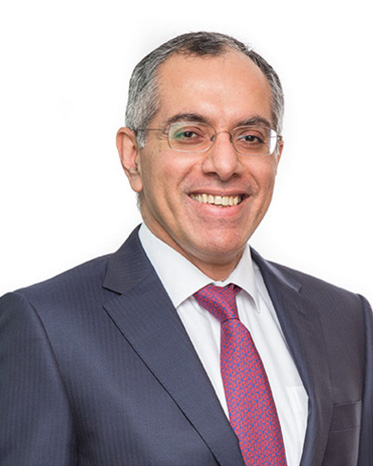 Celebrities
✅Ravi Raheja
Ravi Chandru Raheja is an Indian businessman known for his leadership role at K. Raheja Corporation. Born and raised in Mumbai, he holds degrees from the H
Updated 2026-10-04 Celebrities
6 Girlfriends Of Salman Khan
A look at six women who have been linked to Bollywood star Salman Khan over the years, from early romances to high-profile relationships that captured wide
Updated 2026-10-04