
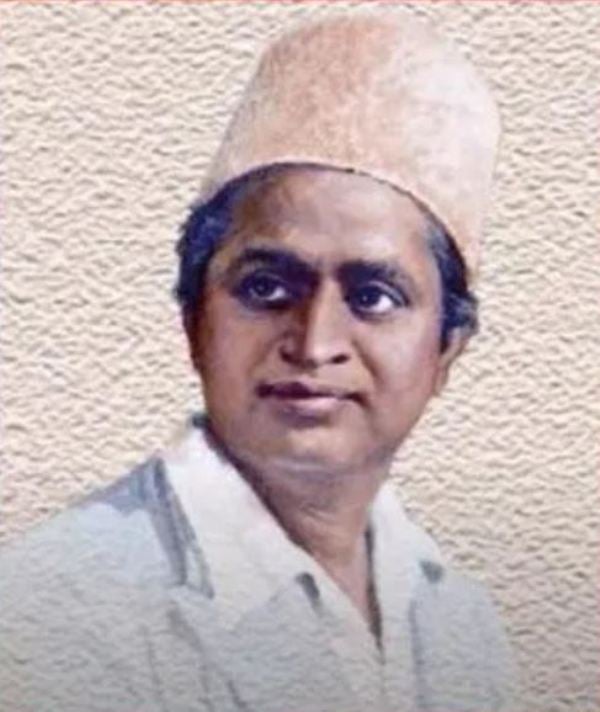
 Featured Biography
Image source: StarsUnfolded
Celebrities
Deenanath Mangeshkar Biography: Age, Career, Family and More
Quick Info
Date of birth29 December 1900
Age41 Years (at time of death)
BirthplaceMangeshi, Goa, Portuguese India (now Goa, India)
ProfessionMusician, Singer, Marathi film producer
NationalityBritish Indian
Marital statusMarried
SpouseNarmada (later Shrimati); Shevanti (later Sudhamati)
FamilyChildren: Lata Mangeshkar, Asha Bhosle, Meena Khadikar, Usha Mangeshkar, Hridaynath Mangeshkar; Father: Ganesh Bhatt Navathe Hardikar
Deenanath Mangeshkar Biography
Deenanath Mangeshkar was an influential Indian musician, stage actor and producer whose work in Marathi theatre and early Indian cinema helped shape a line
Early life and backgroundDeenanath Mangeshkar was born on 29 December 1900 in the village of Mangeshi in Portuguese Goa. His family used the surname Hardikar (also described as Abhisheki), a name associated with their role performing ritual abhishekam at the Mangeshi Temple. His father, Ganesh Bhatt Navathe Hardikar, served as a priest at that temple. Deenanath’s mother belonged to the community later known as the Gomantak Maratha Samaj and performed singing and dance at temple festivals, a tradition that contributed to his early exposure to music.
From childhood he trained in vocal music. At around age five he studied with Shri Baba Mashelkar and attended a Gwalior school of music. He later became a disciple of prominent teachers including Ramkrishnabua Vaze and Sukhdev Prasad of the Kirana gharana, furthering a foundation in Hindustani classical traditions.
Career
Deenanath built a multifaceted career as a classical singer, theatre actor, and producer. By age eleven he was associated with the Kirloskar Sangeet Mandali and Kirloskar Natak Mandali, performing in musical theatre. He and colleagues later formed their own troupe, Balwant Mandali, and he gained a reputation in Marathi theatre for his voice, looks and stage presence.
His repertoire spanned Indian classical and semi-classical genres and the Marathi natya sangeet tradition. Many of the songs he performed were composed for his productions by his teacher Ramkrishna Vaze. Those pieces often carried patriotic themes and found enthusiastic audiences. Deenanath’s stage productions included titles such as Manapaman, Ranadundubhi, Punyaprabhaav, Sanyasta Khadga, Rajsanyaas, Deshkantak and Ram Rajya Viyog.
In the 1930s he expanded into film production, producing three films including Krishnarjun Yuddha, released in both Hindi and Marathi. He sang on screen and one song from that film was picturised on him. Throughout his career he remained committed to classical training and theatre practice, and he also held personal beliefs in astrology and numerology that influenced the naming of some of his productions.
Personal life and family
Deenanath married Narmada in 1922; after their marriage she was known as Shrimati. The couple suffered the loss of an infant daughter, Latika, and Shrimati died soon afterwards. In 1927 he married Shevanti, his first wife’s sister, who he later renamed Sudhamati. With Shevanti he had five children: daughters Lata Mangeshkar, Meena Khadikar, Asha Bhosle, Usha Mangeshkar, and a son, Hridaynath Mangeshkar. He had earlier renamed a daughter Hema to Lata in memory of the child who had died in infancy.
Deenanath’s family background also included a half-brother, Balawantrao Abhisheki. His children, particularly Lata Mangeshkar and Asha Bhosle, went on to become widely known singers, and his son Hridaynath established himself as a music composer. Lata received her initial training in classical music from her father and appeared in his musical plays from an early age.
Later years and legacy
During the 1930s Deenanath faced financial difficulties and developed problems with alcohol. He fell ill and died in Pune on 24 April 1942 at the age of 41. His memory has been preserved in several ways: a hospital and research centre in Pune was established by family members and bears his name, and in 1993 the Government of India issued a postage stamp commemorating his contributions to Indian classical music and patriotic songs.
In 2022, following the death of his daughter Lata Mangeshkar, Maharashtra officials announced plans to establish a music college in his name—an initiative described as fulfilling a long-held wish of Lata’s to honour her father.
Public profile
Deenanath is remembered primarily for his role in Marathi musical theatre and for his foundation in Hindustani classical music. His work bridged stage and early sound film, and he is often cited as the patriarch of a family that produced several prominent figures in Indian music. Photographs and recollections of his stage career continue to be shared in discussions of pre-independence Marathi theatre.
Latest updates
Recognition for Deenanath’s contributions continues into the 21st century. The 1993 postal stamp and the 2022 announcement of a proposed music college named after him reflect ongoing institutional acknowledgement of his role in Indian musical life.
Editorial Review and Sources
This F4U profile is written from publicly available career and profile information, then reviewed for clarity before publication. If you spot an outdated detail about Deenanath Mangeshkar, send the page URL and a reliable correction source to f4udotin@gmail.com.
Reference context: StarsUnfoldedAccuracy
Request a Correction
Tell us what needs to be updated and share a reliable source so the editorial team can review it.
Ownership
Claim This Profile
If this profile is about you or your client, send your contact details and verification context.
Recent Work
A film produced in the 1930s in both Hindi and Marathi; Deenanath sang and was picturised in a song for the film.
1930sCareer Highlights
- Renowned performer in Marathi theatre and natya sangeet
- Produced three films in the 1930s, including a bilingual Krishnarjun Yuddha
- Trained in Hindustani classical music under noted gurus
- Father and teacher of multiple notable Indian singers
People Also Search For
Frequently Asked Questions
When was Deenanath Mangeshkar born?
Deenanath Mangeshkar was born on 29 December 1900.
What is Deenanath Mangeshkar known for?
Deenanath Mangeshkar is known for musician, Singer, Marathi film producer.
What is Deenanath Mangeshkar’s marital status?
Deenanath Mangeshkar's marital status is listed as Married.
Who is Deenanath Mangeshkar married to?
Deenanath Mangeshkar is publicly listed as married to Narmada (later Shrimati); Shevanti (later Sudhamati).
Related Biographies
View all →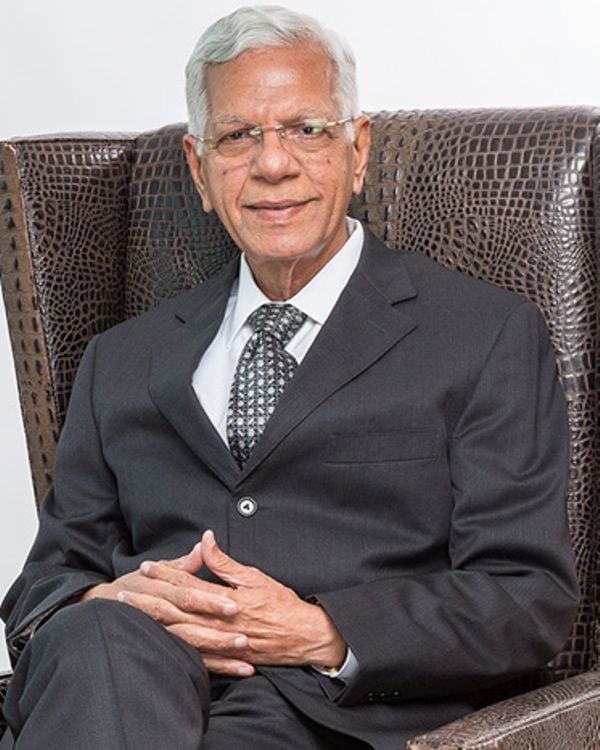 Celebrities
☑️Chandru Raheja
Chandru Lachmandas Raheja is an Indian businessman known for leading K. Raheja Corporation and for his long career in real estate, retail and hospitality.ト
Updated 2026-10-04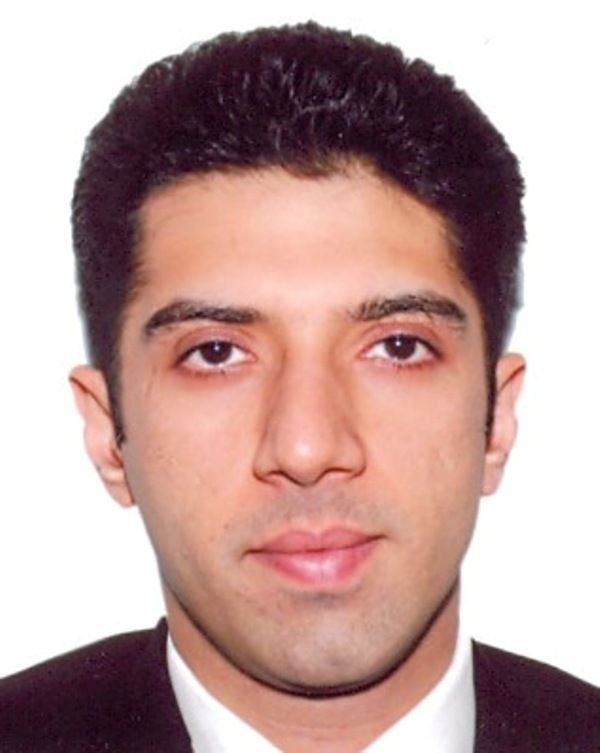 Celebrities
✅Neel Raheja
Neel Chandru Raheja is an Indian businessman who serves as Group President of K Raheja Corp. Born in Mumbai in 1974, he has guided the family's expansion—b
Updated 2026-10-04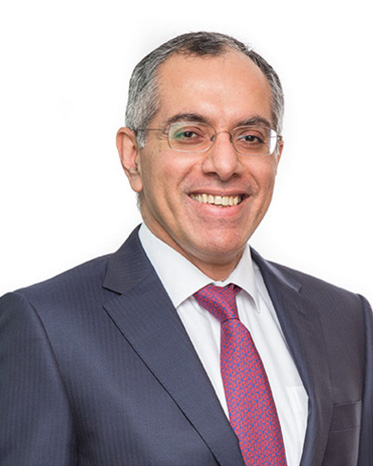 Celebrities
✅Ravi Raheja
Ravi Chandru Raheja is an Indian businessman known for his leadership role at K. Raheja Corporation. Born and raised in Mumbai, he holds degrees from the H
Updated 2026-10-04 Celebrities
6 Girlfriends Of Salman Khan
A look at six women who have been linked to Bollywood star Salman Khan over the years, from early romances to high-profile relationships that captured wide
Updated 2026-10-04