
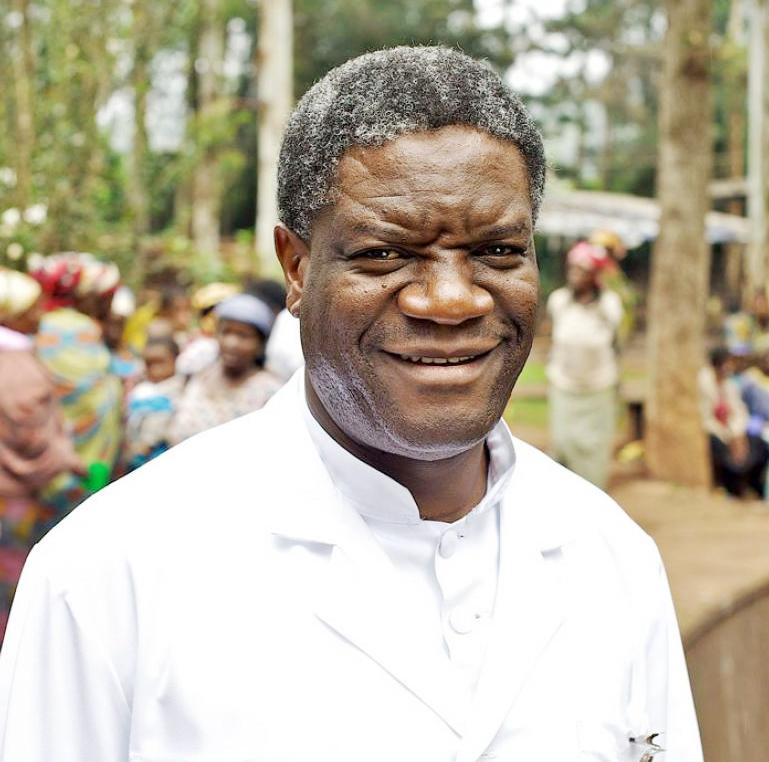
 Featured Biography
Image source: StarsUnfolded
Quick Info
Date of birth1 March 1955
Age71 years
BirthplaceBukavu, Belgian Congo
ProfessionDoctor (Gynecologist), Activist
NationalityCongolese
Marital statusMarried
FamilyChildren include son Alain Mukwege and other sons and daughters
Denis Mukwege Biography
Denis Mukengere Mukwege was born on 1 March 1955 in Bukavu, then part of the Belgian Congo. He grew up in a large, religious household as one of eleven family members.
Early life and backgroundDenis Mukengere Mukwege was born on 1 March 1955 in Bukavu, then part of the Belgian Congo. He grew up in a large, religious household as one of eleven family members. His father served as a Pentecostal pastor, and early experiences visiting the sick with his father helped shape Mukwege's decision to pursue medicine.
Mukwege completed his initial medical training in the region, studying at a school in Bukavu before continuing his studies at the University of Burundi in Bujumbura. He later pursued further medical education at the Université libre de Bruxelles in Belgium, ultimately earning a medical degree and a PhD. His medical specialty became gynecology and obstetrics after time working with women who suffered severe injuries and complications following childbirth.
Career
After completing his early training, Mukwege practiced medicine at a Christian hospital in Lemera, South Kivu, where encounters with women in need led him to specialize in gynecology. In 1999 he founded Panzi Hospital in Bukavu to treat survivors of sexual violence and to provide comprehensive medical and psychological care.
Over the years Mukwege built Panzi into a center focused on surgical repair, rehabilitation and support for women who had experienced rape and other forms of sexual violence during the conflicts in eastern Congo. His work at Panzi expanded beyond clinical care to include advocacy for survivors' rights and calls for greater international attention to the crisis of sexual violence in the region.
Mukwege's public profile grew as he combined clinical practice with outspoken criticism of the failures he saw in international responses. In 2012 he addressed the United Nations about sexual violence in Congo, an appearance that preceded a violent attempt on his life later that year. Armed attackers shot at him and took two of his daughters hostage; his security guard was killed. Following this incident Mukwege and his family went into temporary exile, spending time in Sweden and Brussels for about three months before returning to Bukavu at the request of local women who wanted him back.
His life and work were the subject of a 2015 documentary, The Man Who Mends Women: The Wrath of Hippocrates. By the time of the 2018 Nobel recognition, Mukwege and his team had treated tens of thousands of women at Panzi Hospital.
Public profile
Mukwege has been widely honored for his contributions to medicine and human rights. Major awards and distinctions detailed in his biography include the UN Human Rights Prize and the Olof Palme Prize in 2008; recognition as African of the Year in 2009; the King Baudouin International Development Prize and several other awards in the early 2010s; and the Sakharov Prize for Freedom of Thought in 2014. International media and organizations have also recognized him: Fortune magazine listed him among the world's greatest leaders and Time included him on its list of the 100 Most Influential People. In October 2018 he was awarded the Nobel Peace Prize, sharing the honor with Iraqi activist Nadia Murad.
Mukwege has been honored by France as well: he was made a Chevalier de la Légion d'Honneur in 2009 and later promoted to Officier de la Légion d'Honneur in 2013.
Personal life
Denis Mukwege is married and is the father of children, including a son named Alain Mukwege and several other sons and daughters. He is Congolese by nationality and is described as Christian. Physically, biographical details list him at about 1.78 meters (5 feet 10 inches) tall, with dark brown eyes and salt-and-pepper hair.
Latest updates
The most notable recent milestone listed in his biography is the 2018 Nobel Peace Prize for his sustained efforts to treat survivors of sexual violence and to advocate for their rights. His medical and advocacy work at Panzi Hospital continues to be the central focus of his public life, and by the time of the Nobel recognition he had overseen care for more than 50,000 women.
Editorial Review and Sources
This F4U profile is prepared from the public references listed below and reviewed for clarity. If you spot an outdated detail about Denis Mukwege, send the page URL and a reliable correction source to f4udotin@gmail.com.
Accuracy
Request a Correction
Tell us what needs to be updated and share a reliable source so the editorial team can review it.
Ownership
Claim This Profile
If this profile is about you or your client, send your contact details and verification context.
Recent Work
Documentary about Mukwege's life and work, released in 2015.
2015Career Highlights
- Founded Panzi Hospital in Bukavu in 1999 to treat survivors of sexual violence
- Awarded the Nobel Peace Prize in 2018 (shared with Nadia Murad)
- Recipient of the UN Human Rights Prize and Olof Palme Prize (2008)
- Named African of the Year (2009)
- Recipient of the Sakharov Prize for Freedom of Thought (2014)
- Honored as Chevalier and later Officier de la Légion d'Honneur by France
Frequently Asked Questions
When was Denis Mukwege born?
Denis Mukwege was born on 1 March 1955.
What is Denis Mukwege known for?
Denis Mukwege is known for doctor (Gynecologist), Activist.
What is Denis Mukwege’s marital status?
Denis Mukwege's marital status is listed as Married.
Related Biographies
View all →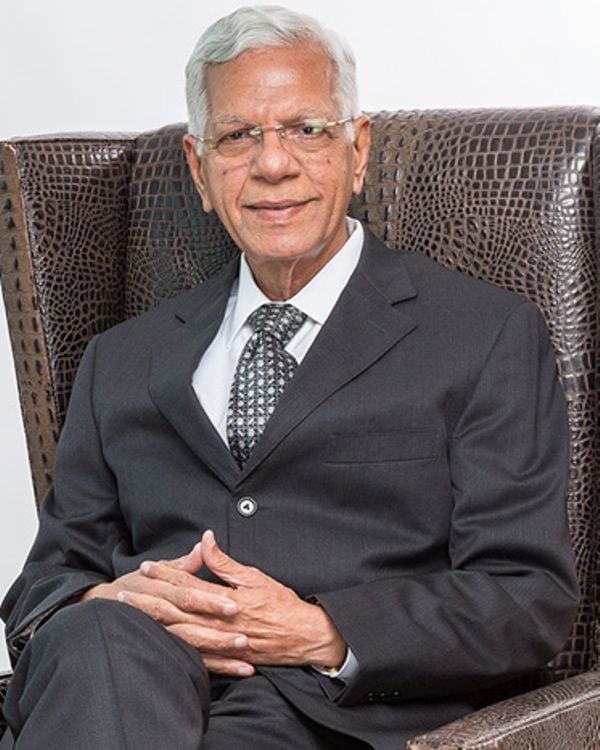 Celebrities
Chandru Raheja
Veteran Indian businessman Chandru Raheja is the chairman of K. Raheja Corporation and a noted real-estate and retail leader.
Updated 2026-10-23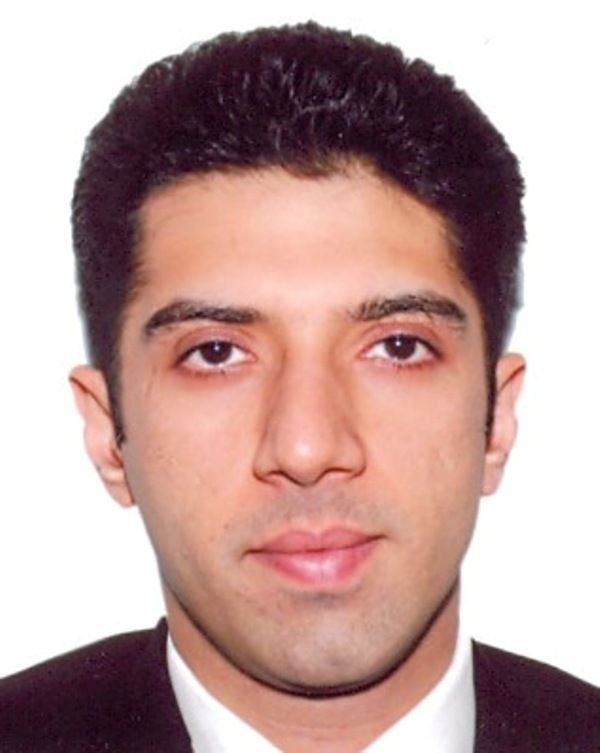 Celebrities
Neel Raheja
Neel Chandru Raheja was born on 27 June 1974 in Mumbai, Maharashtra. Raised in a family with deep roots in Indian real estate, he is the son of Chandru Raheja and Jyoti C. Raheja and a grandson of Lachmandas Raheja, the founder of the K. Raheja Group.
Updated 2026-10-04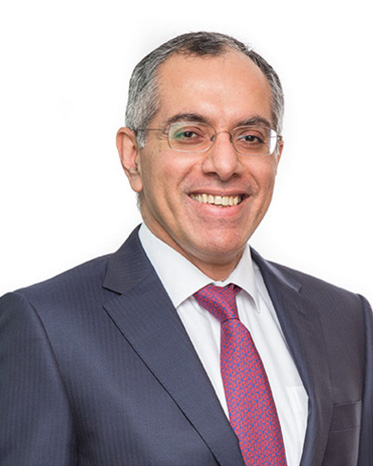 Celebrities
Ravi Raheja
Business leader Ravi Chandru Raheja is Group President at K. Raheja Corporation with a background in commerce and an MBA from London Business School.
Updated 2026-10-23 Celebrities
1eye43
Indian rapper 1eye43, born Vivek in Chandigarh, rose from hardship to build a following with viral 2024 tracks.
Updated 2026-10-23