
 Featured Biography
Image source: StarsUnfolded
Celebrities
Digvijaysinhji Ranjitsinhji Jadeja Biography: Age, Career, Family and
Quick Info
Date of birth18 September 1895
Age70 (at time of death)
BirthplaceSadodar, Princely State of Nawanagar (now Jamnagar, Gujarat, India)
ProfessionRetired British Indian Army officer; Maharaja; Cricketer; Public representative
NationalityBritish Indian (1895–1947); Indian (1947–1966)
Marital statusMarried (at time of death)
SpouseGulab Kunverba
FamilySon Shatrusalyasinhji Digvijaysinhji Jadeja and three daughters
Digvijaysinhji Ranjitsinhji Jadeja Biography
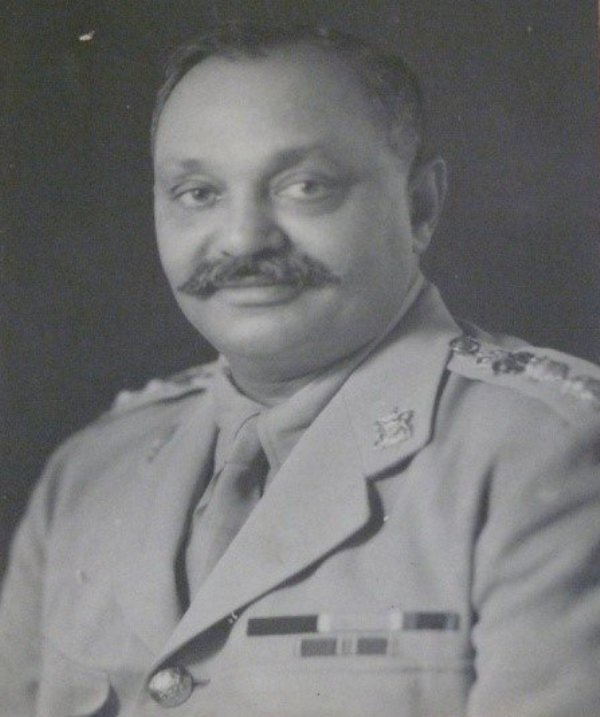
Digvijaysinhji Ranjitsinhji Jadeja was the 20th ruler of Nawanagar, a British Indian Army officer, and a cricketer. Remembered for sheltering Polish war‑sh
Early life and backgroundDigvijaysinhji Juwansinhji was born on 18 September 1895 in Sadodar, the princely state of Nawanagar in Kathiawar (now Jamnagar, Gujarat). He was a member of the Yaduvanshi Rajput lineage and the son of Juwansinhji Jiwansinhji, Maharaj of Sarodar. He attended Rajkumar College in Rajkot and later Malvern College in Worcestershire, England, before completing a graduate degree at University College London.
Military career
In 1919 Digvijaysinhji enrolled as a second lieutenant in the British Indian Army. He was transferred in 1920 to the 125th Napier’s Rifles, which is now the 5th Battalion of the Rajputana Rifles. While serving with the Egyptian Expeditionary Force he rose to lieutenant in 1921 and was posted to Waziristan with the Waziristan Field Force from 1922 to 1924. By 1929 he had been promoted to captain. He took premature retirement from active service in 1931 but continued to receive honorary promotions, eventually holding the honorary rank of lieutenant general by 1947.
Digvijaysinhji received a number of medals and honours over his lifetime, including British campaign medals from the Second World War era and appointments within chivalric orders. He represented India at the League of Nations’ early sessions in 1920 and addressed Royal Air Force personnel in 1942.
Ruler of Nawanagar and public roles
Named heir by his predecessor Ranjitsinhji Vibhaji II, Digvijaysinhji became Maharaja of Nawanagar on 2 April 1933. As ruler he continued developmental policies in the state and took on administrative and representative responsibilities beyond his territory. From 1937 to 1938 he served as President of the Board of Control for Cricket in India and in 1937 was appointed Chancellor of the Chamber of Princes, a post he held until 1943. He was active on several wartime committees during the Second World War, including participation in the Imperial War Cabinet, the Pacific War Council, and the National Defence Council.
During the period of political transition in 1947, Nawanagar was among the early princely states to sign the Instrument of Accession to India. That year Digvijaysinhji was given the administrative title of Rajpramukh, which he held until the post was abolished in 1956. In 1949 the former princely territories were integrated and Nawanagar was renamed Jamnagar as part of the new Saurashtra state.
International work and refugee relief
Digvijaysinhji is widely remembered for his response to the plight of Polish refugees during the Second World War. When a ship carrying Polish evacuees was denied permission to dock at Bombay in 1942, he arranged for it to berth at Rosi Port in Nawanagar and personally welcomed the arrivals. He established refugee camps at Balachadi, Valivade and Panchgani, and persuaded the Maharaja of Patiala to host a camp at Chela, Punjab. The facilities he provided for roughly a thousand Polish refugees included food, schooling, sports grounds, a chapel and cultural spaces. He also raised funds to support the refugees and took responsibility for them without seeking reimbursement from the British authorities. The refugees remained in India until after the war.
In the postwar period he led the Indian delegation to the United Nations following the outbreak of the Korean War and served as chairman of the UN Administration Tribunal and of the UN Negotiating Committee on Korean Rehabilitation.
Personal life
Digvijaysinhji married Gulab Kunverba on 7 March 1935. They had four children, including a son, Shatrusalyasinhji Digvijaysinhji Jadeja, who succeeded him as the 21st Maharaja of Nawanagar (Jamnagar). He was known to enjoy hunting and had an interest in motorcars. He also played cricket as a right‑handed batsman and right‑arm bowler, appearing in first‑class matches for Western India and playing county cricket for Sussex during his sporting career.
Public profile
Throughout his life Digvijaysinhji received several civilian and military honours. In recognition of his wartime humanitarian work, Poland later commemorated him in various ways: a square was named in his honour in Warsaw, and Polish institutions have carried his name. A joint Polish–Indian documentary about the refugee camps was produced in 2015, and a feature film inspired by his efforts was released in 2022.
Latest updates
Digvijaysinhji died on 3 February 1966 in Bombay at the age of 70. His legacy continues through memorials and cultural projects that recall his efforts to shelter and care for displaced Polish civilians during the Second World War, as well as through institutional roles he held in cricket administration and international diplomacy.
Editorial Review and Sources
This F4U profile is written from publicly available career and profile information, then reviewed for clarity before publication. If you spot an outdated detail about Digvijaysinhji Ranjitsinhji Jadeja, send the page URL and a reliable correction source to f4udotin@gmail.com.
Reference context: StarsUnfoldedAccuracy
Request a Correction
Tell us what needs to be updated and share a reliable source so the editorial team can review it.
Ownership
Claim This Profile
If this profile is about you or your client, send your contact details and verification context.
Recent Work
A 2015 Polish–Indian documentary about the refugee camps established for Polish civilians in India during the Second World War.
2015A 2022 biographical feature film based on Digvijaysinhji's efforts to rehabilitate Polish refugees; released in English, Hindi and Polish.
2022Career Highlights
- 20th Maharaja of Nawanagar from 1933
- British Indian Army officer who rose to honorary lieutenant general by 1947
- President of the BCCI (1937–1938)
- Chancellor of the Chamber of Princes (1937–1943)
- Organiser of refugee relief for Polish civilians in India during World War II
- Rajpramukh of Saurashtra (1947–1956)
People Also Search For
Frequently Asked Questions
When was Digvijaysinhji Ranjitsinhji Jadeja born?
Digvijaysinhji Ranjitsinhji Jadeja was born on 18 September 1895.
What is Digvijaysinhji Ranjitsinhji Jadeja known for?
Digvijaysinhji Ranjitsinhji Jadeja is known for retired British Indian Army officer; Maharaja; Cricketer; Public representative.
What is Digvijaysinhji Ranjitsinhji Jadeja’s marital status?
Digvijaysinhji Ranjitsinhji Jadeja's marital status is listed as Married (at time of death).
Who is Digvijaysinhji Ranjitsinhji Jadeja married to?
Digvijaysinhji Ranjitsinhji Jadeja is publicly listed as married to Gulab Kunverba.
Related Biographies
View all →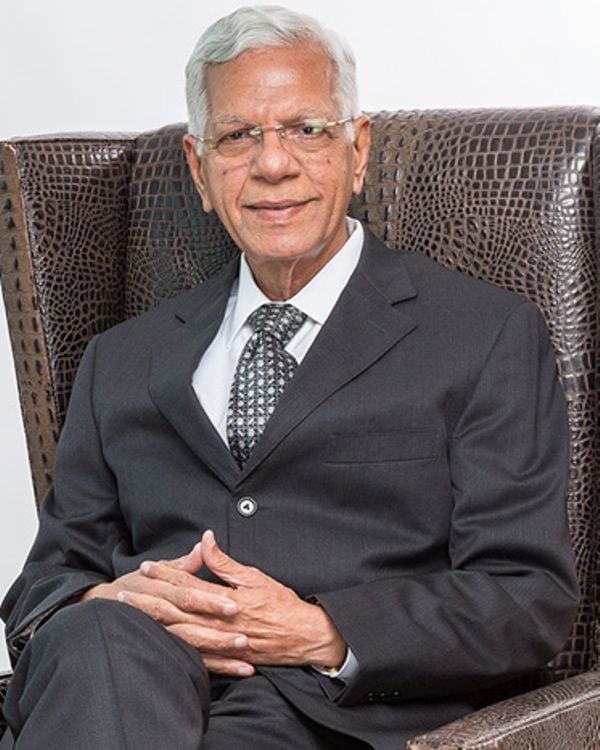 Celebrities
☑️Chandru Raheja
Chandru Lachmandas Raheja is an Indian businessman known for leading K. Raheja Corporation and for his long career in real estate, retail and hospitality.ト
Updated 2026-10-04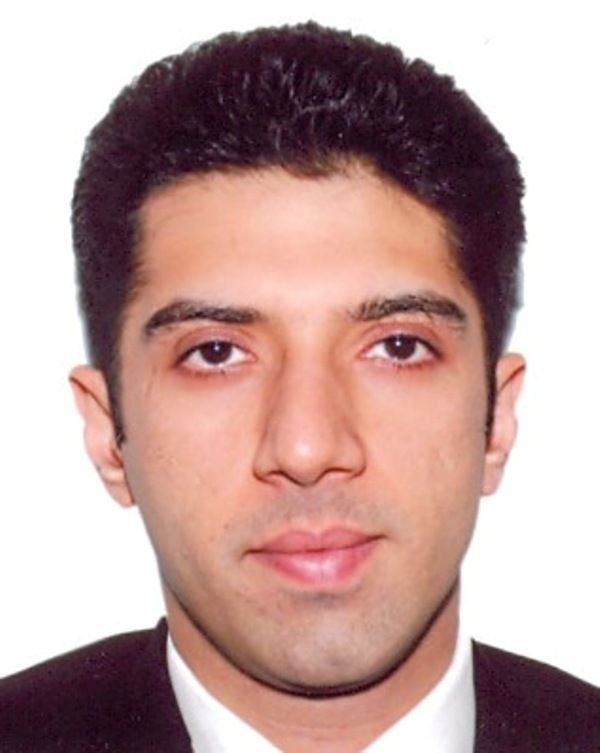 Celebrities
✅Neel Raheja
Neel Chandru Raheja is an Indian businessman who serves as Group President of K Raheja Corp. Born in Mumbai in 1974, he has guided the family's expansion—b
Updated 2026-10-04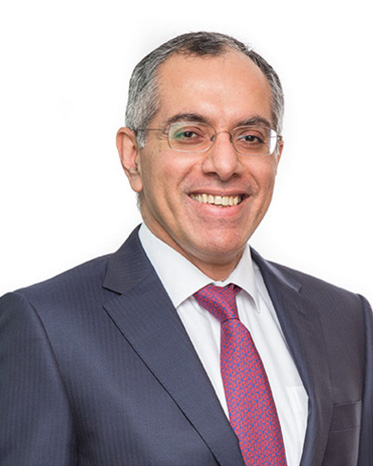 Celebrities
✅Ravi Raheja
Ravi Chandru Raheja is an Indian businessman known for his leadership role at K. Raheja Corporation. Born and raised in Mumbai, he holds degrees from the H
Updated 2026-10-04 Celebrities
6 Girlfriends Of Salman Khan
A look at six women who have been linked to Bollywood star Salman Khan over the years, from early romances to high-profile relationships that captured wide
Updated 2026-10-04