
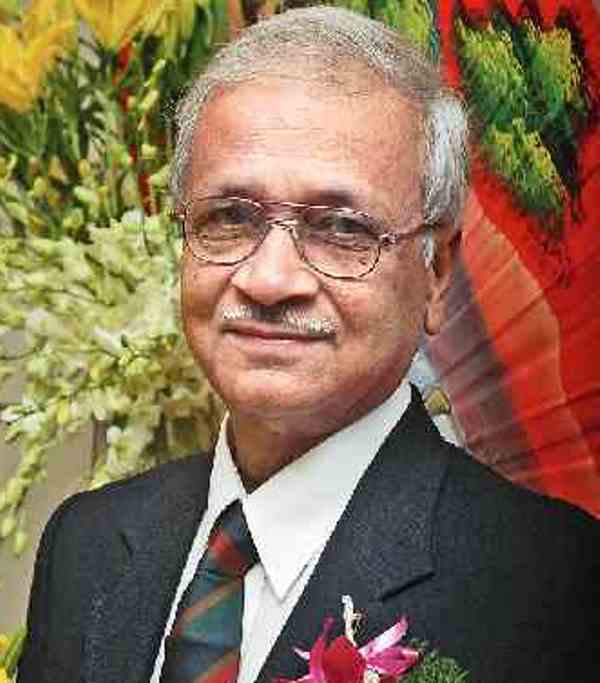
 Featured Biography
Image source: StarsUnfolded
Quick Info
Date of birth12 November 1934
Age87 (at time of death)
BirthplaceKishoreganj, Bengal Province, British India (now Dhaka Division, Bangladesh)
ProfessionPaediatrician; Scientist; Public health specialist
NationalityIndian
Marital statusWidower
SpouseJayanti Mahalanabis (died 9 July 2021)
Dilip Mahalanabis Biography
Dilip Mahalanabis was an Indian paediatrician, researcher and public health specialist best known for pioneering the use of oral rehydration solution (ORS)
Early life and backgroundDilip Mahalanabis was born on 12 November 1934 in Kishoreganj in what was then the Bengal Province of British India (now part of Bangladesh). He trained in medicine at Calcutta Medical College and later gained postgraduate qualifications in the United Kingdom, including a Diploma in Child Health and membership of the Royal Colleges of Physicians (MRCP(UK)). His early career included work at the National Health Service in the UK, where he became the first Indian appointed as registrar of London’s Queen Elizabeth Hospital for Children.
Career
Mahalanabis built a career at the intersection of pediatrics, clinical research and public health. In the 1960s he joined the Johns Hopkins University International Centre for Medical Research and Training (JH-CMRT) in Kolkata, focusing on diarrhoeal disease and the development of oral rehydration approaches. His field experience during the 1971 Bangladesh war of independence proved decisive: with large numbers of refugees and explosive outbreaks of cholera, Mahalanabis led a treatment team near the India–East Pakistan border in Bongaon.
Working with limited resources, he prepared a simple rehydration mixture composed of glucose, sodium chloride and sodium bicarbonate dissolved in water. That formulation was applied at the Bongaon camp and in nearby treatment sites over an eight-week period; of roughly 3,700 cholera patients treated under this regimen, the fatality rate fell to approximately 3.6 percent in the principal camp and was reported to be even lower in another treatment area. These results contrasted sharply with much higher historical mortality rates from cholera and helped demonstrate that oral rehydration could prevent fatal dehydration.
Despite early field success and support from some international observers, including personnel from WHO and UNICEF who visited the Bongaon camps, the broader scientific community initially met the approach with skepticism. Publications were slow to accept the findings, and it took several years for oral rehydration therapy to gain widespread recognition. Mahalanabis did not seek to patent his ORS formulation.
After the events of 1971, Mahalanabis continued work on diarrhoeal disease control with global organizations. He served in WHO’s cholera unit from 1975 to 1979 with postings in Afghanistan, Egypt and Yemen. In the 1980s and 1990s he worked as a consultant and medical officer in WHO programmes focused on bacterial diseases and diarrhoeal disease control. In 1990 he joined the International Centre for Diarrhoeal Disease Research, Bangladesh (ICDDR,B) as a clinical research officer and later served as Director of Clinical Research.
During the 2000s he remained engaged in efforts to refine rehydration therapy; in 2004 he collaborated with colleagues on an enhanced ORS formula intended to be more effective across different diarrhoeal illnesses and to reduce stool output.
Public profile
Mahalanabis received a number of honors over his long career. He was elected a foreign member of the Royal Swedish Academy of Sciences in 1994, received the first Pollin Prize in Pediatric Research in 2002 and the Prince Mahidol Prize in 2006. He is widely regarded as a founding figure in the development and dissemination of oral rehydration solution, often described as the father of ORS.
He and his wife, Jayanti, donated to the Institute of Child Health in Kolkata in 2017. Jayanti Mahalanabis predeceased him in July 2021.
Latest updates
Dilip Mahalanabis died on 16 October 2022 in a private hospital in Kolkata at the age of 87. The reported cause of death was a lung infection alongside other age-related ailments. In 2023 he was posthumously awarded the Padma Vibhushan.
Legacy
The field-tested simplicity and lifesaving impact of the oral rehydration approach Mahalanabis championed have been credited with preventing countless deaths from diarrhoeal disease worldwide. His decision not to patent the formula and his decades of work with international health organizations helped oral rehydration therapy become a standard, low-cost intervention in global public health.
Editorial Review and Sources
This F4U profile is written from publicly available career and profile information, then reviewed for clarity before publication. If you spot an outdated detail about Dilip Mahalanabis, send the page URL and a reliable correction source to f4udotin@gmail.com.
Reference context: StarsUnfoldedAccuracy
Request a Correction
Tell us what needs to be updated and share a reliable source so the editorial team can review it.
Ownership
Claim This Profile
If this profile is about you or your client, send your contact details and verification context.
Recent Work
Collaborated in 2004 on an improved oral rehydration solution formula intended to be more effective against various forms of diarrhoea and to reduce stool output.
2004Career Highlights
- Led field implementation of oral rehydration solution during the 1971 refugee crisis, dramatically reducing cholera mortality
- Elected foreign member of the Royal Swedish Academy of Sciences (1994)
- Recipient of the Pollin Prize in Pediatric Research (2002) and the Prince Mahidol Prize (2006)
- Served in WHO cholera and diarrhoeal disease programmes and held research leadership roles at ICDDR,B
People Also Search For
Frequently Asked Questions
When was Dilip Mahalanabis born?
Dilip Mahalanabis was born on 12 November 1934.
What is Dilip Mahalanabis known for?
Dilip Mahalanabis is known for paediatrician; Scientist; Public health specialist.
What is Dilip Mahalanabis’s marital status?
Dilip Mahalanabis's marital status is listed as Widower.
Who is Dilip Mahalanabis married to?
Dilip Mahalanabis is publicly listed as married to Jayanti Mahalanabis (died 9 July 2021).
Related Biographies
View all →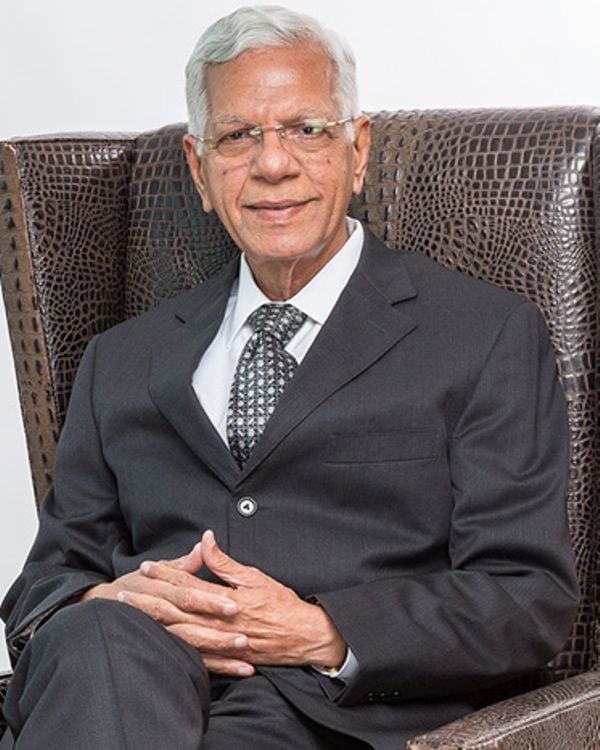 Celebrities
☑️Chandru Raheja
Chandru Lachmandas Raheja is an Indian businessman known for leading K. Raheja Corporation and for his long career in real estate, retail and hospitality.ト
Updated 2026-10-04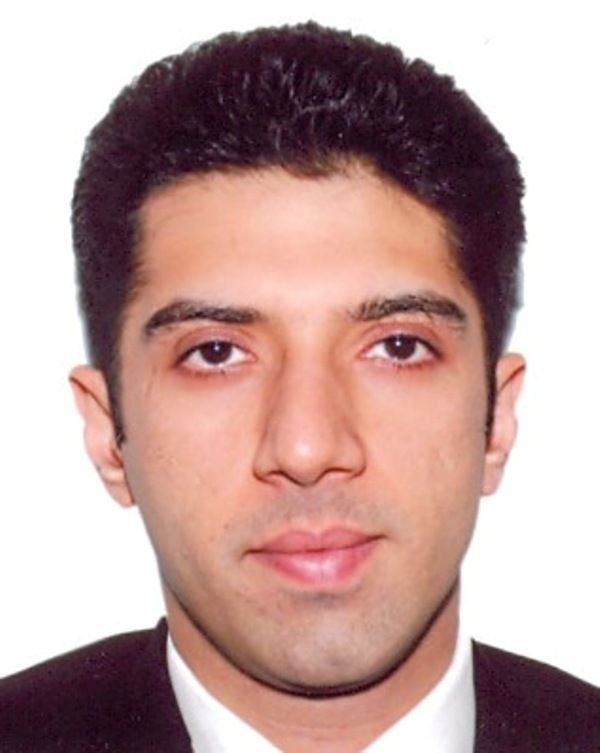 Celebrities
✅Neel Raheja
Neel Chandru Raheja is an Indian businessman who serves as Group President of K Raheja Corp. Born in Mumbai in 1974, he has guided the family's expansion—b
Updated 2026-10-04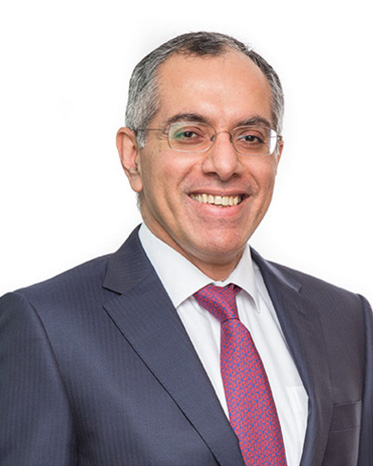 Celebrities
✅Ravi Raheja
Ravi Chandru Raheja is an Indian businessman known for his leadership role at K. Raheja Corporation. Born and raised in Mumbai, he holds degrees from the H
Updated 2026-10-04 Celebrities
6 Girlfriends Of Salman Khan
A look at six women who have been linked to Bollywood star Salman Khan over the years, from early romances to high-profile relationships that captured wide
Updated 2026-10-04