
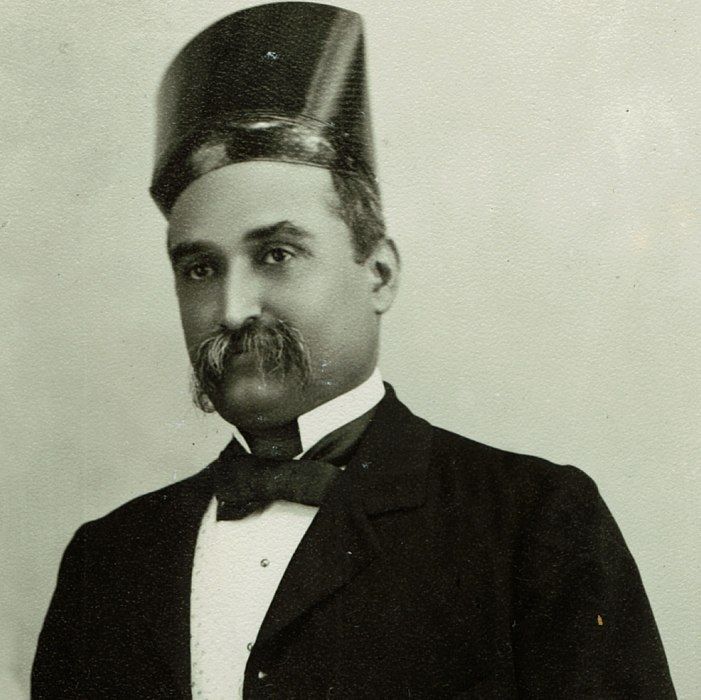
 Featured Biography
Image source: StarsUnfolded
Quick Info
Date of birth27 August 1859
Age72 (at time of death)
BirthplaceBombay (now Mumbai)
ProfessionBusinessman, Industrialist, Philanthropist
NationalityIndian
Marital statusMarried
SpouseMeherbai Bhabha
FamilyFather - Jamsetji Tata; Mother - Hirabai Tata; Brother - Ratanji Tata
Dorabji Tata Biography
Dorabji Tata (1859–1932) was an Indian industrialist and philanthropist who led the expansion of the Tata family's enterprises after his father Jamsetji's
Early life and backgroundDorabji Tata was born on 27 August 1859 in Bombay (now Mumbai) into the Parsi Tata family. He received his early schooling at Proprietary High School in Bombay before being sent to Kent, England, in 1875 to study under a private tutor. In 1877 he entered Gonville and Caius College, Cambridge, where he developed a strong interest in sports, earning recognition in cricket and football and distinguishing himself as a horseman, rower and tennis player. He returned to Bombay in 1879 and completed a Bachelor of Arts at St. Xavier’s College in 1882.
Career
Dorabji began his working life with experience his father encouraged—spending time in journalism at the Bombay Gazette and then moving into industry. Early assignments from his father included setting up a textile project in Pondicherry and managing operations at Express Mills in Nagpur. After Jamsetji Tata’s death in 1904, Dorabji and his younger brother Ratanji took on the task of realizing Jamsetji’s ambitions: founding a steel plant, creating a high-level educational institution, and developing hydroelectric power.
In 1907 Dorabji established the Tata Iron and Steel Company Limited (TISCO), the enterprise that would later be known as Tata Steel. He was personally involved in detailed aspects of the company’s work, accompanying researchers into mineral fields to locate iron deposits. Under his direction TISCO became the largest industrial unit of British India and supplied substantial quantities of steel to Britain during the First World War.
Dorabji also led diversification across the Tata group. By 1904 the family business already included textile mills and the Taj Mahal Palace Hotel in Bombay; under Dorabji new ventures grew to include cement manufacturers, electric power companies, an aviation unit, edible oil and soap production, and an insurance company. He was instrumental in establishing Tata Power and New India Assurance among the group’s early expansions.
When TISCO encountered severe financial difficulty after the First World War, Dorabji put his personal assets at risk to secure a loan that enabled the company to meet its obligations and continue operating. He supplied hydroelectric power to Bombay as early as 1910, anticipating later concerns about clean, affordable energy.
Public profile
Dorabji’s leadership extended beyond industry into social and welfare initiatives for employees and philanthropy. He introduced progressive workplace policies such as an eight-hour workday, accident compensation, maternity benefits, a provident fund and free medical care. A committed patron of education and research, he funded academic research and supported the establishment of a chair for Sanskrit study at the University of Cambridge and the Oriental Research Institute. He backed the creation of what became the Indian Institute of Science in Bangalore.
A sports enthusiast, Dorabji supported Indian athletes at international competitions. He financed several competitors at the 1920 Antwerp Olympics and underwrote Indian participation in the 1924 Paris Olympics while serving as president of the Indian Olympic Council.
Personal life
Dorabji married Meherbai Bhabha, daughter of H. J. Bhabha, on 14 February 1889. The marriage was childless. When Meherbai died of leukemia in 1931, Dorabji established a research trust in her memory to study blood diseases; this fund later became known as the Sir Dorabji Tata Trust and received substantial contributions from him.
Honours and legacy
For his contributions to industrial development in British India, Dorabji was knighted by King Edward VII. His initiatives in steel production, hydroelectric power and corporate social policy left a durable imprint on Indian industry and philanthropy. He was buried alongside his wife at Brookwood Cemetery in Woking, England, after his death.
Latest updates
Dorabji Tata died on 3 June 1932 in Bad Kissingen, Germany, at the age of 72. His stewardship of the Tata enterprises and his philanthropic endowments helped complete many of his father Jamsetji Tata’s plans and set foundations for later expansion of the group.
Editorial Review and Sources
This F4U profile is written from publicly available career and profile information, then reviewed for clarity before publication. If you spot an outdated detail about Dorabji Tata, send the page URL and a reliable correction source to f4udotin@gmail.com.
Reference context: StarsUnfoldedAccuracy
Request a Correction
Tell us what needs to be updated and share a reliable source so the editorial team can review it.
Ownership
Claim This Profile
If this profile is about you or your client, send your contact details and verification context.
Recent Work
Founded TISCO (now Tata Steel) in 1907 and led its development into the largest industrial unit of British India.
1907Established hydroelectric power supply to Bombay and was involved in founding early Tata electric power companies.
1910Contributed to founding a leading Indian insurance company within the Tata group.
Career Highlights
- Founder of Tata Iron and Steel Company (TISCO), now Tata Steel
- Founder involved in Tata Power and New India Assurance
- Knighted by King Edward VII for services to industrialisation
- Introduced progressive worker welfare policies and funded scientific and educational institutions
People Also Search For
Frequently Asked Questions
When was Dorabji Tata born?
Dorabji Tata was born on 27 August 1859.
What is Dorabji Tata known for?
Dorabji Tata is known for businessman, Industrialist, Philanthropist.
What is Dorabji Tata’s marital status?
Dorabji Tata's marital status is listed as Married.
Who is Dorabji Tata married to?
Dorabji Tata is publicly listed as married to Meherbai Bhabha.
Related Biographies
View all →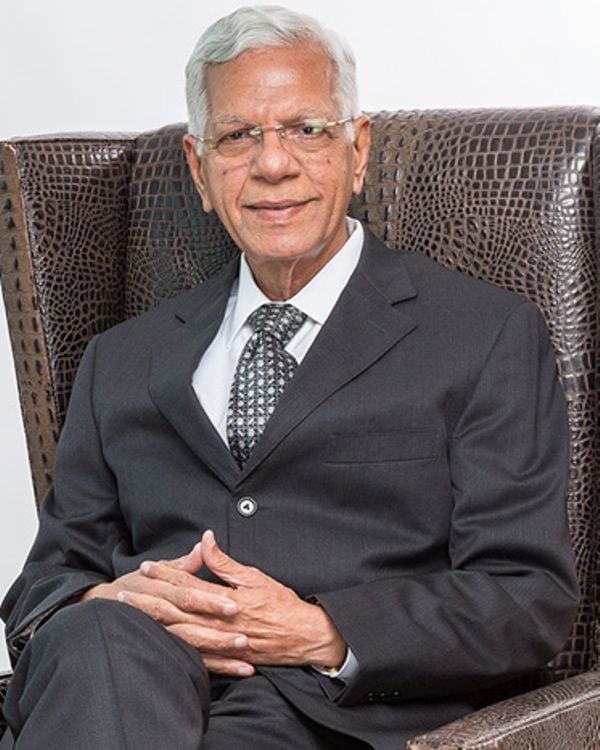 Celebrities
☑️Chandru Raheja
Chandru Lachmandas Raheja is an Indian businessman known for leading K. Raheja Corporation and for his long career in real estate, retail and hospitality.ト
Updated 2026-10-04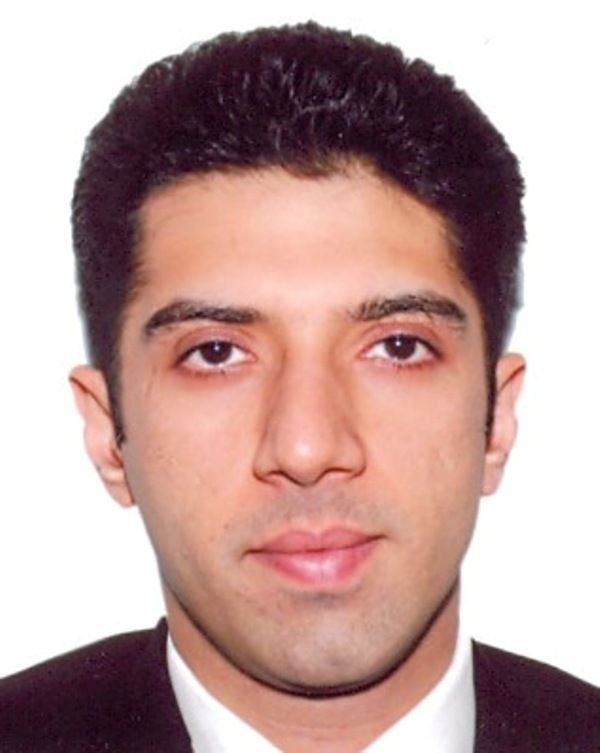 Celebrities
✅Neel Raheja
Neel Chandru Raheja is an Indian businessman who serves as Group President of K Raheja Corp. Born in Mumbai in 1974, he has guided the family's expansion—b
Updated 2026-10-04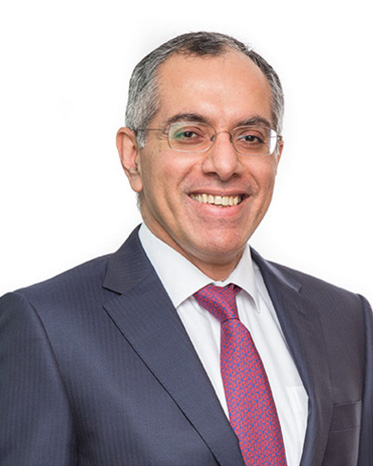 Celebrities
✅Ravi Raheja
Ravi Chandru Raheja is an Indian businessman known for his leadership role at K. Raheja Corporation. Born and raised in Mumbai, he holds degrees from the H
Updated 2026-10-04 Celebrities
6 Girlfriends Of Salman Khan
A look at six women who have been linked to Bollywood star Salman Khan over the years, from early romances to high-profile relationships that captured wide
Updated 2026-10-04