
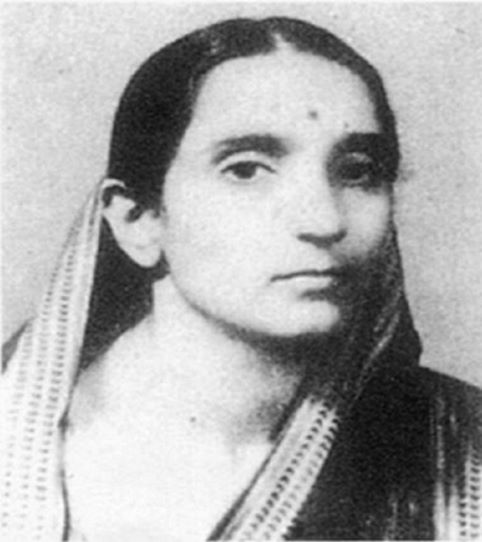
 Featured Biography
Image source: StarsUnfolded
Quick Info
Date of birth7 October 1907
BirthplaceAllahabad, United Provinces, British India (present-day Prayagraj, Uttar Pradesh, India)
ProfessionFreedom Fighter
NationalityBritish Indian (1907–1947); Indian (1947–1999)
Marital statusWidow
SpouseBhagwati Charan Vohra
FamilySon - Sachinanda; Father - Pandit Banke Bihari; Grandfather - Pandit Shivshankar
Durgawati Devi Biography
Durgawati Devi (also known as Durga Bhabhi) was an Indian revolutionary who participated in armed actions and support operations for the independence cause
Early life and backgroundDurgawati Devi was born on 7 October 1907 in Allahabad in the United Provinces of British India (now Prayagraj, Uttar Pradesh). She was the only child of Pandit Banke Bihari, a court official at the Allahabad Collectorate, and descended from a family with roots in Shahjpur through her grandfather, Pandit Shivshankar. Her mother died when she was young, and she was raised by an aunt. Her father later adopted a life of renunciation.
At around eleven years of age she was married to Bhagwati Charan Vohra. The couple had one son, Sachinanda, born in 1925. Durgawati’s formal education reached up to the fifth grade. She later taught at a girls’ college in Lahore until 1929 and, after a period of imprisonment and release, opened and taught at schools for underprivileged children in Lucknow and at Pyare Lal Girls School in Ghaziabad.
Career
Durgawati Devi became deeply involved in revolutionary politics and is best remembered for her close association with members of the Hindustan Socialist Republican Association (HSRA). She acquired the informal honorific Durga Bhabhi among fellow revolutionaries because of her relationship with Bhagwati Charan Vohra and her prominent role in their work.
She played an active role in the Naujawan Bharat Sabha and participated in public acts of protest, including organizing a large funeral procession for the hunger-striking freedom fighter Jatin Das after his death in Lahore jail. Durgawati was known to procure weapons and conceal them for revolutionary activities; she was once observed at a secret meeting in Delhi carrying pistols that had been transported from the North-Western Frontier Province.
In December 1928, following the killing of British police officer John P. Saunders by Bhagat Singh and Shivaram Rajguru, Durgawati was instrumental in helping Bhagat Singh and Rajguru evade arrest. She accompanied Bhagat Singh on a train trip from Lahore to Bathinda, posing as his wife while carrying her infant son so Singh could travel in disguise. That escape remains one of the defining episodes of her revolutionary career.
Durgawati was also connected to more direct violent actions. In 1929 she made an attempt on Lord Hailey’s life following Bhagat Singh’s surrender in the assembly bomb case; the attempt failed and she was arrested and sentenced to three years’ imprisonment. Authorities later arrested her in connection with the Lamington Road shootout in Bombay in October 1930, an episode that involved gunfire directed at European police officers. She was detained under emergency ordinances and spent time in Lahore jail before her release in 1935.
After release from prison, Durgawati resumed education and social work. An amnesty for political prisoners removed remaining criminal charges against her, and she re-engaged with political activity. By 1938 she had joined the Indian National Congress and took part in protests that again brought her into conflict with colonial authorities.
Public profile
Durgawati Devi earned a reputation within revolutionary circles for bravery and direct action; some contemporary accounts called her the "Agni of India" for her fierce opposition to British rule. Her husband, Bhagwati Charan Vohra, was himself an HSRA member and died while testing an explosive as part of plans connected with revolutionary activities. Durgawati later focused on education for disadvantaged children and continued to teach.
She lived through India’s transition from British rule to independence, identified as British Indian until 1947 and as Indian thereafter. Durgawati died of natural causes on 15 October 1999 at Ghaziabad, Uttar Pradesh, at the age of 92.
Latest updates
Durgawati Devi’s life has been referenced in modern popular culture: a brief reference to her character appears in the 2006 film Rang De Basanti, and she was portrayed in the seventh episode of the Indian anthology television series Adrishya in 2014.
She remains remembered for her combination of clandestine support work, direct involvement in protests and armed operations, and later dedication to educating underprivileged children.
Editorial Review and Sources
This F4U profile is written from publicly available career and profile information, then reviewed for clarity before publication. If you spot an outdated detail about Durgawati Devi, send the page URL and a reliable correction source to f4udotin@gmail.com.
Reference context: StarsUnfoldedAccuracy
Request a Correction
Tell us what needs to be updated and share a reliable source so the editorial team can review it.
Ownership
Claim This Profile
If this profile is about you or your client, send your contact details and verification context.
Recent Work
A small reference to her character appears in the 2006 film directed by Rakeysh Omprakash Mehra, portrayed by Soha Ali Khan.
2006Her character was depicted in the seventh episode of the television anthology series Adrishya.
2014Career Highlights
- Accompanied Bhagat Singh and Shivaram Rajguru in disguise to help them escape arrest after the Saunders killing (1928)
- Participated in the Naujawan Bharat Sabha and organized a major funeral procession for Jatin Das
- Procured and concealed weapons for revolutionary activities
- Arrested and imprisoned following an attempted assassination of Lord Hailey (1929) and detained in connection with the Lamington Road shootout (1930)
- Opened and taught at schools for underprivileged children after release from prison
People Also Search For
Frequently Asked Questions
When was Durgawati Devi born?
Durgawati Devi was born on 7 October 1907.
What is Durgawati Devi known for?
Durgawati Devi is known for freedom Fighter.
What is Durgawati Devi’s marital status?
Durgawati Devi's marital status is listed as Widow.
Who is Durgawati Devi married to?
Durgawati Devi is publicly listed as married to Bhagwati Charan Vohra.
Related Biographies
View all →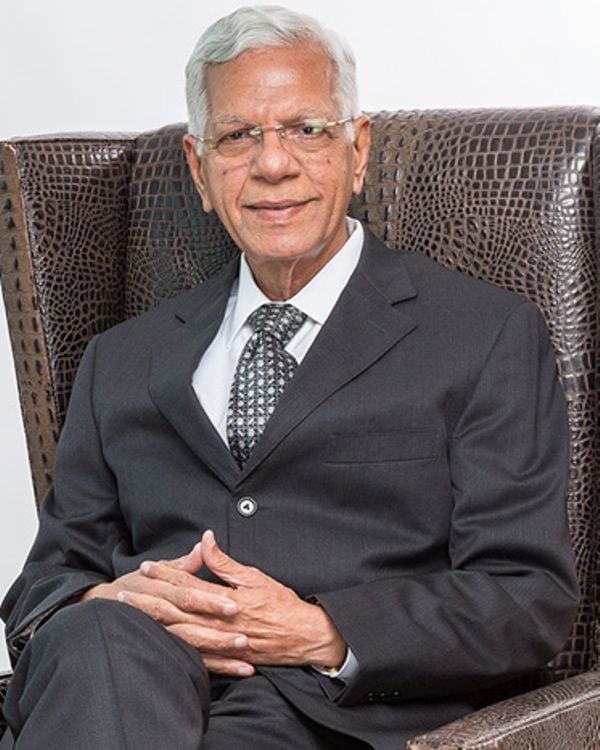 Celebrities
☑️Chandru Raheja
Chandru Lachmandas Raheja is an Indian businessman known for leading K. Raheja Corporation and for his long career in real estate, retail and hospitality.ト
Updated 2026-10-04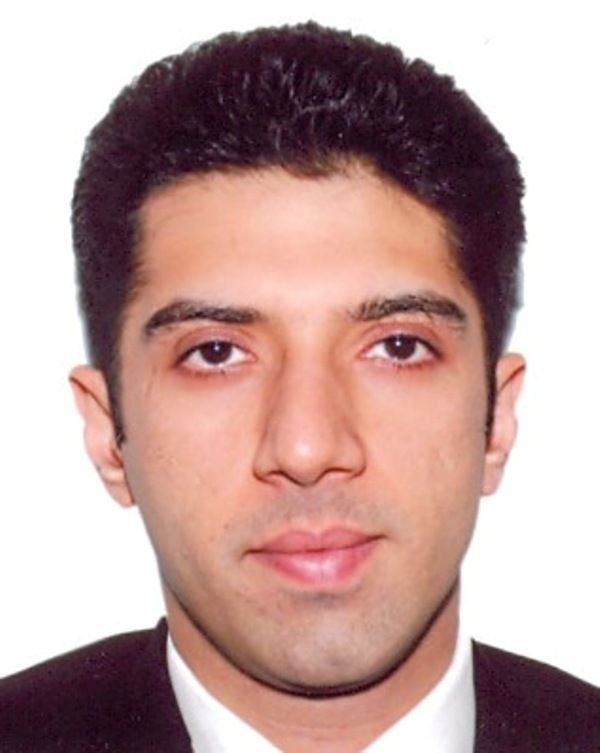 Celebrities
✅Neel Raheja
Neel Chandru Raheja is an Indian businessman who serves as Group President of K Raheja Corp. Born in Mumbai in 1974, he has guided the family's expansion—b
Updated 2026-10-04 Celebrities
✅Ravi Raheja
Ravi Chandru Raheja is an Indian businessman known for his leadership role at K. Raheja Corporation. Born and raised in Mumbai, he holds degrees from the H
Updated 2026-10-04 Celebrities
6 Girlfriends Of Salman Khan
A look at six women who have been linked to Bollywood star Salman Khan over the years, from early romances to high-profile relationships that captured wide
Updated 2026-10-04