
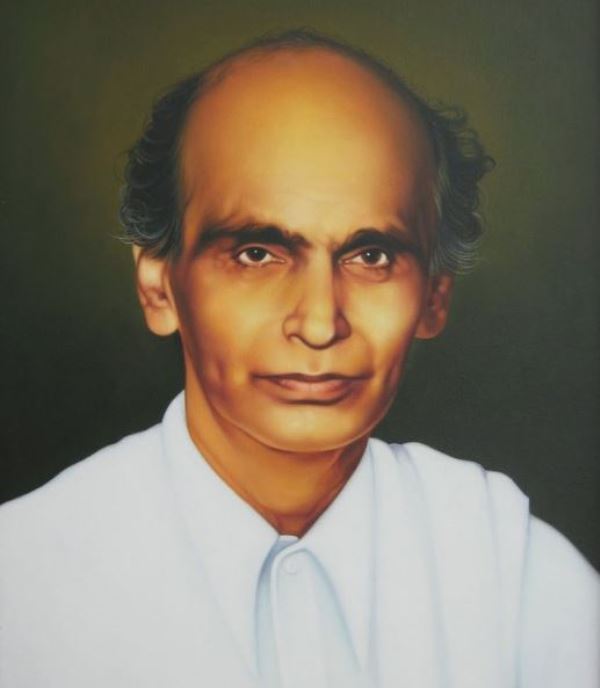
 Featured Biography
Image source: StarsUnfolded
Celebrities
G. D. Naidu Biography: Age, Career, Family and More
Quick Info
Date of birth23 March 1893
Age80 (at time of death)
BirthplaceKalangal village, Coimbatore District, Madras Presidency, British India
ProfessionEngineer, Inventor, Businessman
NationalityIndian
Marital statusMarried (at time of death)
SpouseRanganayakiammal
FamilySon - G.D. Gopal; Grandson - G.D. Rajkumar; Granddaughter - Shantini
G. D. Naidu Biography
Gopalaswamy Doraiswamy Naidu (G. D. Naidu) was a self-taught Indian engineer, inventor and industrialist from Coimbatore whose practical inventions and ind
Early life and backgroundGopalaswamy Doraiswamy Naidu was born on 23 March 1893 in Kalangal village in the Coimbatore district of the Madras Presidency (now Tamil Nadu). He grew up in a farming family and left formal schooling after the third standard. Early work included labor at a ginning mill and later stints as a hotel waiter—periods that exposed him to machines and vehicles and helped shape his practical approach to engineering.
Career
Naidu taught himself mechanical and electrical skills and developed an intense interest in automobiles and photography in his teens. At 16 he encountered a 1912-model Rudge motorcycle that sparked a lifelong fascination with machines. He bought his first motorcycle after working as a waiter, dismantled and reassembled it, and began repairing vehicles as a mechanic.
In 1920 he moved into passenger transport, purchasing a coach to operate services between Pollachi and Palani. He later founded Universal Motor Service (UMS), which became one of India’s prominent transport concerns and operated a large fleet of buses; by 1933 UMS had grown to roughly 300 buses and ran what is described as one of the country’s early bus junctions in Coimbatore.
Naidu’s inventive output was wide-ranging. He developed more than ninety devices across electrical, mechanical, agricultural and consumer fields. His creations included early electric shaving solutions such as the Rasant razor, camera accessories and film-related devices, a voting machine, domestic appliances and components like ballpoint pen refills and carbon paper. The Rasant razor, produced by his UMS Razor Company, used a small motor and dry cells and received an award at the Leipzig Fair.
He collaborated with engineers to build indigenous machinery: in 1937 he worked with D. Balasundaram Naidu to develop what is described as the first indigenous motor in India. In 1952 he introduced a two-seater petrol-engine car priced affordably for the time, though production was curtailed by licensing issues.
Alongside engineering, Naidu pursued agricultural research on a 40-acre farm in Podhanur, developing new varieties of cotton, maize and papaya. His farm drew visiting scientists and engineers. He also engaged in medical experimentation and showed interest in the traditional Siddha system.
Education, training and welfare initiatives
Naidu placed strong emphasis on practical education and workforce readiness. In 1945 he founded Arthur Hope Polytechnic in Coimbatore and served as its first principal; the same year he established Arthur Hope College of Engineering and also took on its initial principalship. Disagreements over program length with the colonial authorities led him to step down from those posts. A year later he created the Industrial Labour Welfare Association (later known as G.D. Naidu Charities) to provide hands-on training and promote employment for industrial workers and students.
He adopted philanthropic activities from the mid-1940s onward, supporting research scholarships and welfare schemes aimed at improving conditions for lower-income workers and the oppressed classes.
Public profile
G. D. Naidu gained notable recognition during his lifetime. He was popularly nicknamed Adhisaya Manidhar (Miracle Man) and was called the Edison of India in some circles. Distinguished figures publicly acknowledged his work; the physicist C. V. Raman praised his character and achievements in a 1950 interview. Naidu was also active as a photographer and documented prominent personalities and events, including travels to photograph international figures and to attend King George V’s funeral in London in 1935.
Naidu was married to Ranganayakiammal and had one son, G. D. Gopal. His family later continued aspects of his legacy: his son established the GeDee Car Museum in Coimbatore to display Naidu’s collection of vintage automobiles, and family members have managed educational institutions bearing his name. His grandson named a company after him as well.
Legacy and honors
Naidu’s name has been memorialized in awards and institutions. A young scientist award at Vellore Institute of Technology bears his name, and a local organization in Erode grants an annual G. D. Naidu Award to a young researcher. The G. D. Naidu Science Museum Industrial Exhibition in Coimbatore, established in 1967, commemorates his contributions to science and industry.
Cultural references and recent developments
Books and films have chronicled his life. A Tamil biography titled Athisaya Vignani G.D. Naidu was published in 2015, and a documentary, GD Naidu – The Edison of India, won a national award for science and technology film in 2019. In April 2023 an announcement was made that actor-director R. Madhavan would portray Naidu in a forthcoming biopic about his life.
Latest updates
Naidu passed away on 4 January 1974 in Tamil Nadu at the age of 80. His industrial, educational and philanthropic initiatives, along with a distinctive collection of vintage cars, continue to shape how he is remembered in Coimbatore and beyond.
Recent Work
Museum established by his son in 2015 to display Naidu's collection of vintage automobiles.
2015Documentary film about Naidu that won Best Science & Technology Film Award at the 66th National Film Awards.
2019Actor-director R. Madhavan announced to portray G. D. Naidu in a film based on his life.
2023Career Highlights
- Self-taught engineer and inventor who created over 90 devices across multiple fields
- Founder of Universal Motor Service (UMS), which grew to a large bus fleet by the 1930s
- Established Arthur Hope Polytechnic and Arthur Hope College of Engineering in Coimbatore and served as first principal
- Pioneered indigenous motor development in collaboration with D. Balasundaram Naidu
- Developed the Rasant electric razor and won an award for it at the Leipzig Fair
- Founded Industrial Labour Welfare Association (now G.D. Naidu Charities) to provide hands-on training and welfare
Frequently Asked Questions
When was G. D. Naidu born?
23 March 1893
What is G. D. Naidu known for?
Engineer, Inventor, Businessman
What is G. D. Naidu’s marital status?
Married (at time of death)
Who is G. D. Naidu married to?
Ranganayakiammal
Related Biographies
View all →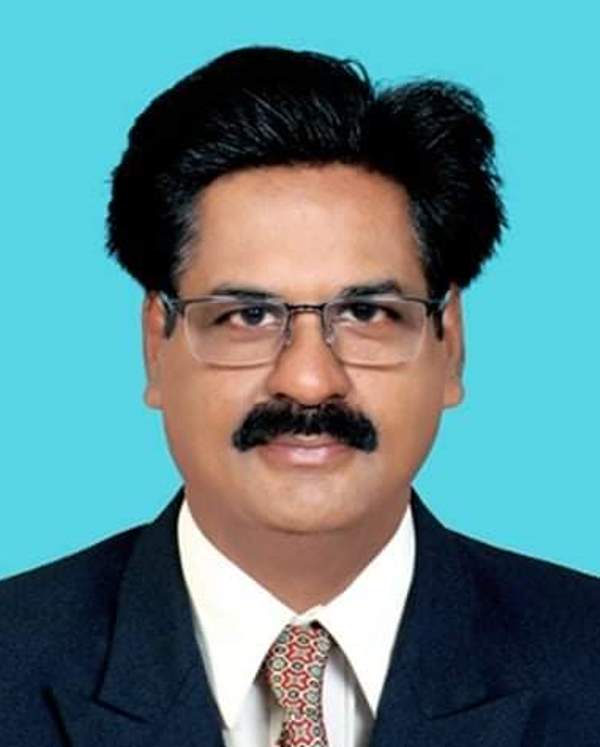 Celebrities
A Rajarajan
A Rajarajan is an Indian scientist and director of the Satish Dhawan Space Centre (SDSC SHAR) at Sriharikota. A composites specialist with a BE in机械工程, he
Updated 2026-09-15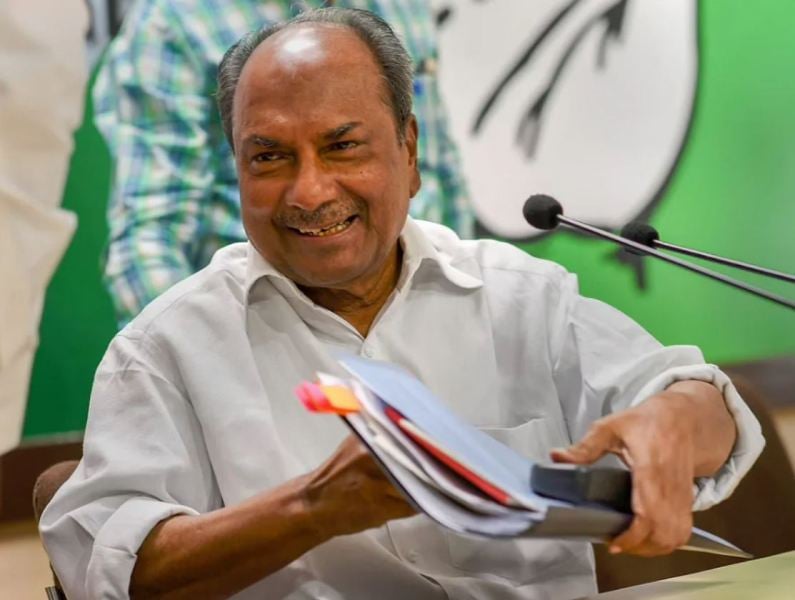 Celebrities
A. K. Antony
A. K. Antony is a veteran Indian politician from Kerala who served three times as Chief Minister of the state and for eight continuous years as India’s the
Updated 2026-09-04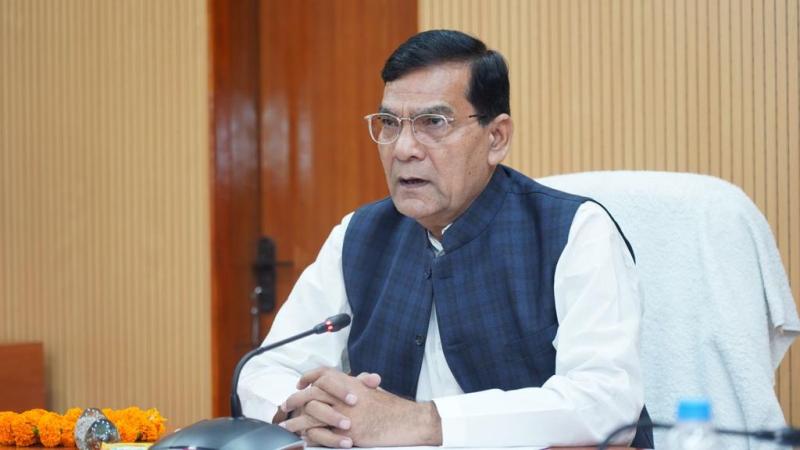 Celebrities
A. K. Sharma
Arvind Kumar (A. K.) Sharma is an Indian politician and former Indian Administrative Service (IAS) officer. Born in Mau, Uttar Pradesh, Sharma built a long
Updated 2026-09-15 Celebrities
A. M. Turaz
A. M. Turaz is an Indian poet and multi‑disciplinary writer whose work for film, television and live poetry events has earned national awards and wide-rec
Updated 2026-09-15