
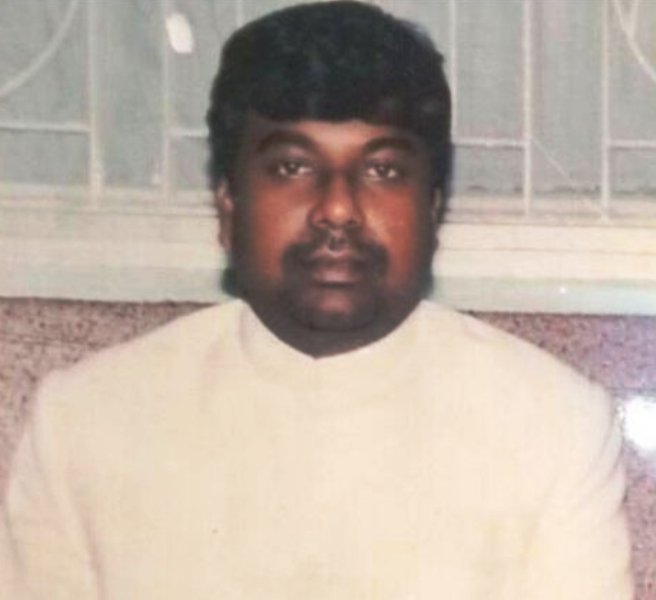
 Featured Biography
Image source: StarsUnfolded
Quick Info
Date of birth8 February 1957
Age37 Years (at time of death)
BirthplaceByrapuram village, Anantapur district, Andhra Pradesh, India
ProfessionCivil Servant (IAS)
NationalityIndian
Marital statusMarried
SpouseUma Krishnaiah
FamilyTwo daughters: Niharika Krishnaiah (elder), Padma Krishnaiah (younger); parents G Seshanna (father, deceased) and Venkamma (mother, deceased)
G. Krishnaiah Biography
G. Krishnaiah was an Indian Administrative Service officer from the 1985 batch who served in Bihar and was killed in December 1994 while serving as a DM. A
Early life and backgroundG. Krishnaiah was born on 8 February 1957 in Byrapuram village in Anantapur district, Andhra Pradesh. He grew up in a family that faced financial constraints; as a child he worked alongside his father as a porter and later laboured in the mornings while attending school in the evenings. His family placed him in a community hostel during his childhood to help manage costs. Krishnaiah completed a BSc in Botany and an MA in English literature, securing first division in his BSc and second division in his MA. He studied at Maharani Adi Lakshmi Devamma Government Arts and Science Degree College in Gadwal and later at Osmania University, Hyderabad.
Career
Krishnaiah began his professional life in clerical work and later worked as a journalist for local Andhra newspapers. He also taught English at an educational institute before preparing for the UPSC civil services examination, which he cleared on his first attempt. He joined the Indian Administrative Service in the 1985 batch and trained at the Lal Bahadur Shastri National Academy of Administration in Mussoorie from 1985 to 1986.
After training, Krishnaiah was posted in Bihar. His initial assignment was in West Champaran, where he worked on land reform measures aimed at improving conditions for landless peasants. His efforts to implement reform policies brought him into conflict with local land mafias, but they also made him well regarded by many residents. He later served in Nalanda district as an assistant collector and then as a Sub-Divisional Magistrate in Hazaribagh.
Krishnaiah rose through administrative ranks, holding posts including District Magistrate in Bettiah and various roles within the Department of Land Revenue Management & District Administration. Between September 1987 and August 1989 he served as an assistant collector and subsequently as an Additional District Magistrate. He was posted to the Home Ministry of the Bihar government as a joint secretary from August to December 1989, and from December 1989 to April 1992 he worked as Deputy Development Commissioner in the Department of Land Revenue Management & District Administration.
On 1 April 1992, Krishnaiah was appointed District Magistrate of Saharsa district, a position he held until 1 December 1994. In December 1994 he became the District Magistrate of Gopalganj district.
Death and aftermath
On 5 December 1994, while returning from Hajipur toward Gopalganj, Krishnaiah’s vehicle was intercepted near the Muzaffarpur highway by a violent procession connected to the funeral of Chottan Shukla, a gangster-turned-politician. Protestors attacked his car, pulled out his bodyguard, and the situation escalated when Krishnaiah stepped out to intervene. He was beaten and then fatally shot in the head by Bhutkun Shukla, Chottan’s younger brother. Krishnaiah was 37 years old at the time of his death.
A criminal investigation followed, and charges were brought against politician Anand Mohan Singh and his wife. In October 2007, a district court sentenced Anand Mohan Singh to death in connection with Krishnaiah’s killing; the verdict was later modified through subsequent appeals and judicial proceedings. Decades after the murder, developments in 2023 concerning amendments to the Bihar Police Jail Manual prompted public debate and protests from Krishnaiah’s widow, colleagues, and political leaders.
Public profile
Krishnaiah is remembered for his commitment to administrative reform and for efforts to improve the lot of the poor in the districts where he served. Colleagues described him as a principled officer who avoided creating obligations to powerful individuals; he preferred to maintain independence in his official conduct. He spoke several languages, including Telugu, Hindi, English, and Kannada, and was an avid reader who kept a room full of books at home. He drew inspiration from the teachings of Swami Vivekananda.
Legacy and memorials
The Government of Bihar installed a statue of G. Krishnaiah at the Gopalganj collectorate in recognition of his service. His death and the legal processes that followed remain significant in discussions about the safety of public servants and accountability in the state.
Latest updates
Krishnaiah’s case re-entered public attention in April 2023 when changes to the Bihar Police Jail Manual led to the release of a prisoner convicted in connection with his murder; the decision prompted criticism from politicians, associations, and members of Krishnaiah’s family. His widow, Uma Krishnaiah, publicly objected to the government action and sought review of the decision.
Editorial Review and Sources
This F4U profile is written from publicly available career and profile information, then reviewed for clarity before publication. If you spot an outdated detail about G. Krishnaiah, send the page URL and a reliable correction source to f4udotin@gmail.com.
Reference context: StarsUnfoldedAccuracy
Request a Correction
Tell us what needs to be updated and share a reliable source so the editorial team can review it.
Ownership
Claim This Profile
If this profile is about you or your client, send your contact details and verification context.
Career Highlights
- Joined the Indian Administrative Service in the 1985 batch and trained at LBSNAA (1985–86)
- Worked on land reform and development in West Champaran, helping landless peasants
- Served in multiple administrative roles in Bihar including DM of Saharsa and Gopalganj
- Remembered for his principled conduct and dedication to public service
People Also Search For
Frequently Asked Questions
When was G. Krishnaiah born?
G. Krishnaiah was born on 8 February 1957.
What is G. Krishnaiah known for?
G. Krishnaiah is known for civil Servant (IAS).
What is G. Krishnaiah’s marital status?
G. Krishnaiah's marital status is listed as Married.
Who is G. Krishnaiah married to?
G. Krishnaiah is publicly listed as married to Uma Krishnaiah.
Related Biographies
View all →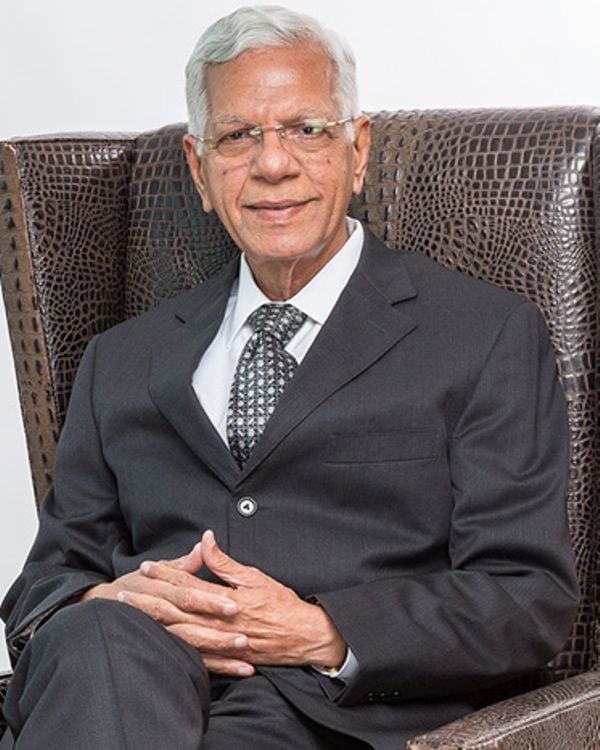 Celebrities
☑️Chandru Raheja
Chandru Lachmandas Raheja is an Indian businessman known for leading K. Raheja Corporation and for his long career in real estate, retail and hospitality.ト
Updated 2026-10-04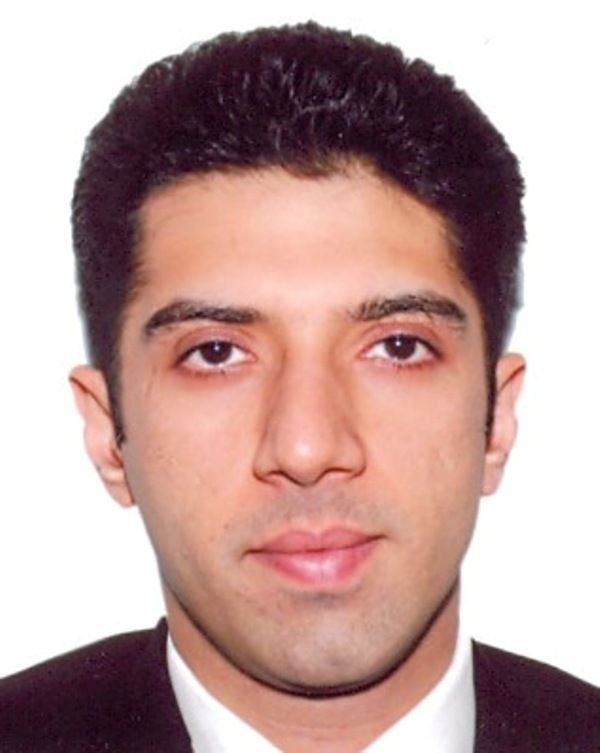 Celebrities
✅Neel Raheja
Neel Chandru Raheja is an Indian businessman who serves as Group President of K Raheja Corp. Born in Mumbai in 1974, he has guided the family's expansion—b
Updated 2026-10-04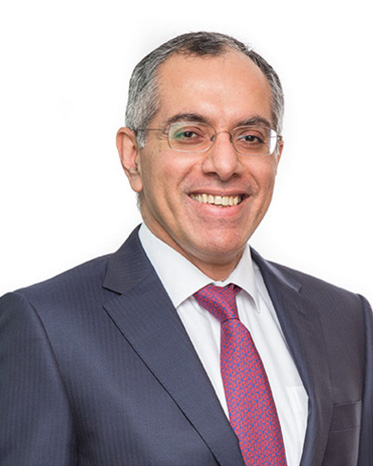 Celebrities
✅Ravi Raheja
Ravi Chandru Raheja is an Indian businessman known for his leadership role at K. Raheja Corporation. Born and raised in Mumbai, he holds degrees from the H
Updated 2026-10-04 Celebrities
6 Girlfriends Of Salman Khan
A look at six women who have been linked to Bollywood star Salman Khan over the years, from early romances to high-profile relationships that captured wide
Updated 2026-10-04